12 Custom Cabinetry Mistakes to Catch Before You Finalize the Design
Many homeowners miss crucial details before they finalize the design of their custom cabinetry. These kitchen cabinet design errors can lead to costly delays and frustration down the line. Knowing what to watch for helps you avoid mistakes that can’t be undone. In this guide, we’ll highlight 12 custom cabinetry mistakes and show how Ronbow’s engineering-first approach keeps your project on track.
Avoiding Common Cabinet Design Errors
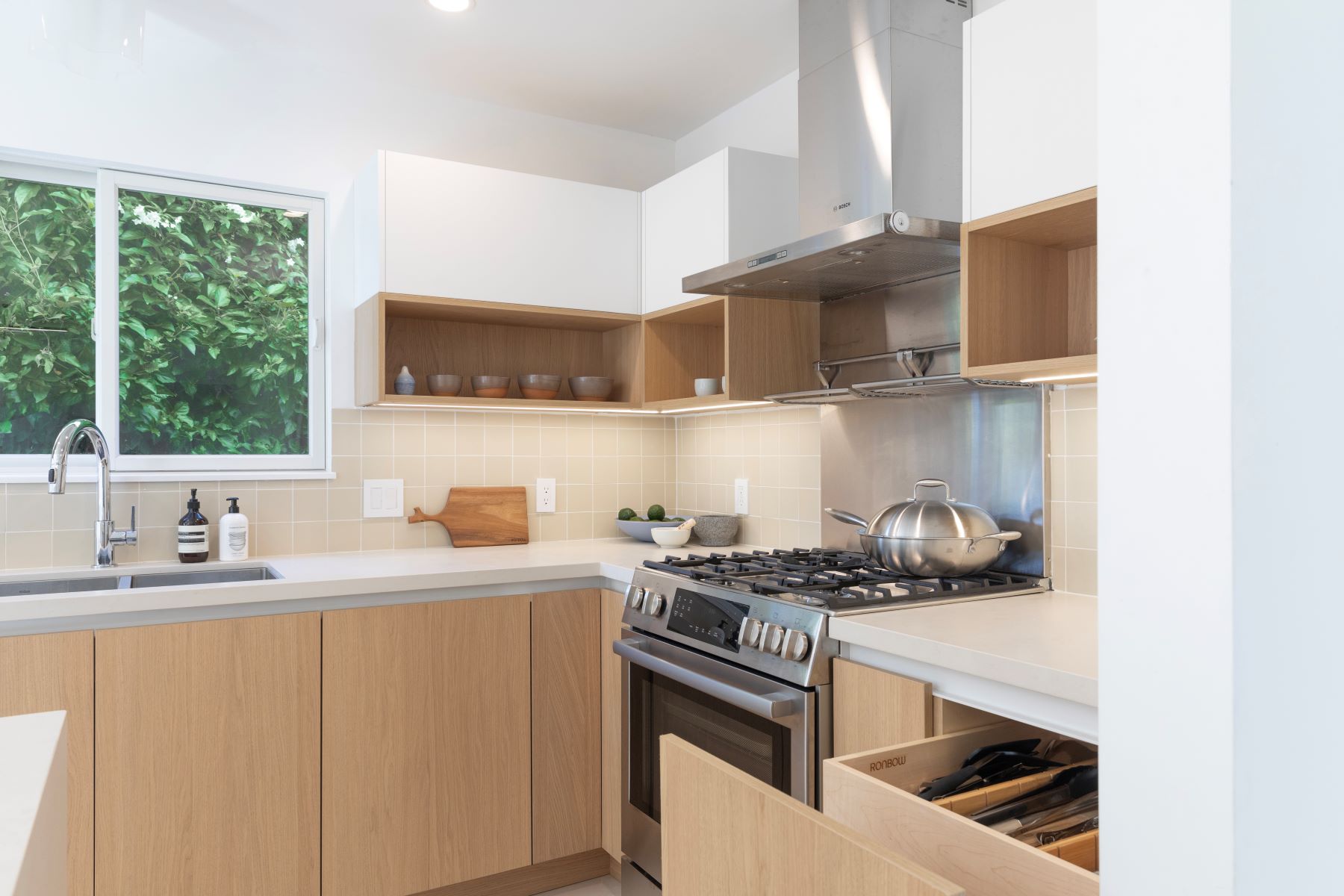
When designing your custom cabinets, it’s easy to overlook simple but critical details. Let’s discover common pitfalls so you can sidestep unnecessary headaches.
Kitchen Cabinet Design Pitfalls
One frequent mistake is not considering the full range of motion for cabinet doors. If your doors hit appliances or walls, they may damage both over time. Another error is miscalculating storage needs. Your kitchen should accommodate all your items comfortably, not leave you struggling to find space. Also, neglecting proper ventilation can lead to moisture build-up and deterioration of materials. These issues might seem small, but they can create big problems down the line.
Finalize Cabinet Design Checklist
Before sealing the deal on your design, ensure all measurements are double-checked. Verify that all appliance specs are accurate and accounted for. Take time to confirm your finish choices and hardware selections match your overall design vision. Don’t forget to consider lighting and electrical needs. A well-thought-out checklist can save you from making irreversible decisions. It’s your safeguard against future regrets.
Importance of Appliance Specification Timing
Timing matters when it comes to appliance specifications. Order appliances early and confirm their exact dimensions. This allows your cabinetry to be designed around them, ensuring a snug fit. Missing this step can result in cabinets that don’t align properly with appliances, leading to costly adjustments. The sooner you secure your appliance specs, the smoother your design process will be.
Planning for Precision in Cabinet Design
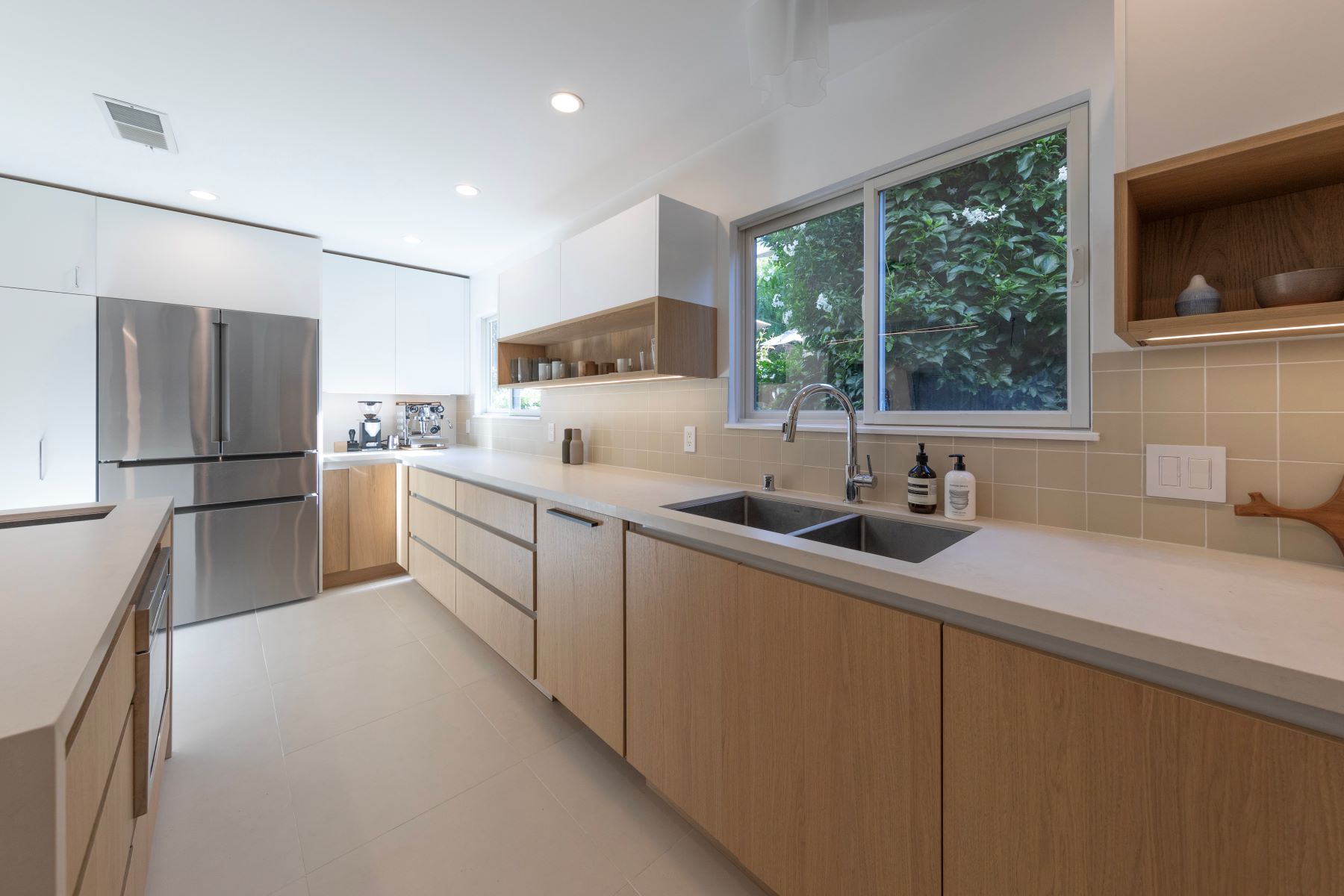
The more precise your planning, the more flawless your cabinets will be. Let’s explore the steps to achieving the perfect fit and finish.
Job-Site Measurement Accuracy
Accurate job-site measurements are crucial. Even a small error can lead to significant setbacks. Invest time in getting each dimension correct. Use advanced tools or hire a professional to ensure precision. This accuracy prevents costly changes and helps your project stay on schedule. After all, precise measurements are the foundation of a successful design.
Cabinet Reveals and Tolerances
Understanding cabinet reveals and tolerances is essential. These elements dictate how your cabinets will look and function. Ensure that reveals are consistent across all cabinets for a uniform appearance. Tolerances must accommodate slight shifts and expansions due to climate changes. Proper planning of these details ensures your cabinets maintain their beauty and functionality over time.
Scribe Fillers and End Panels
Scribe fillers and end panels are often underestimated. These components fill gaps and provide a finished look to your cabinetry. Without them, your cabinets might appear incomplete or awkwardly fitted. Plan their placement carefully to achieve a seamless integration with walls and other elements. Remember, small details can make a significant impact on the overall aesthetics of your space.
Essential Features for Custom Cabinetry
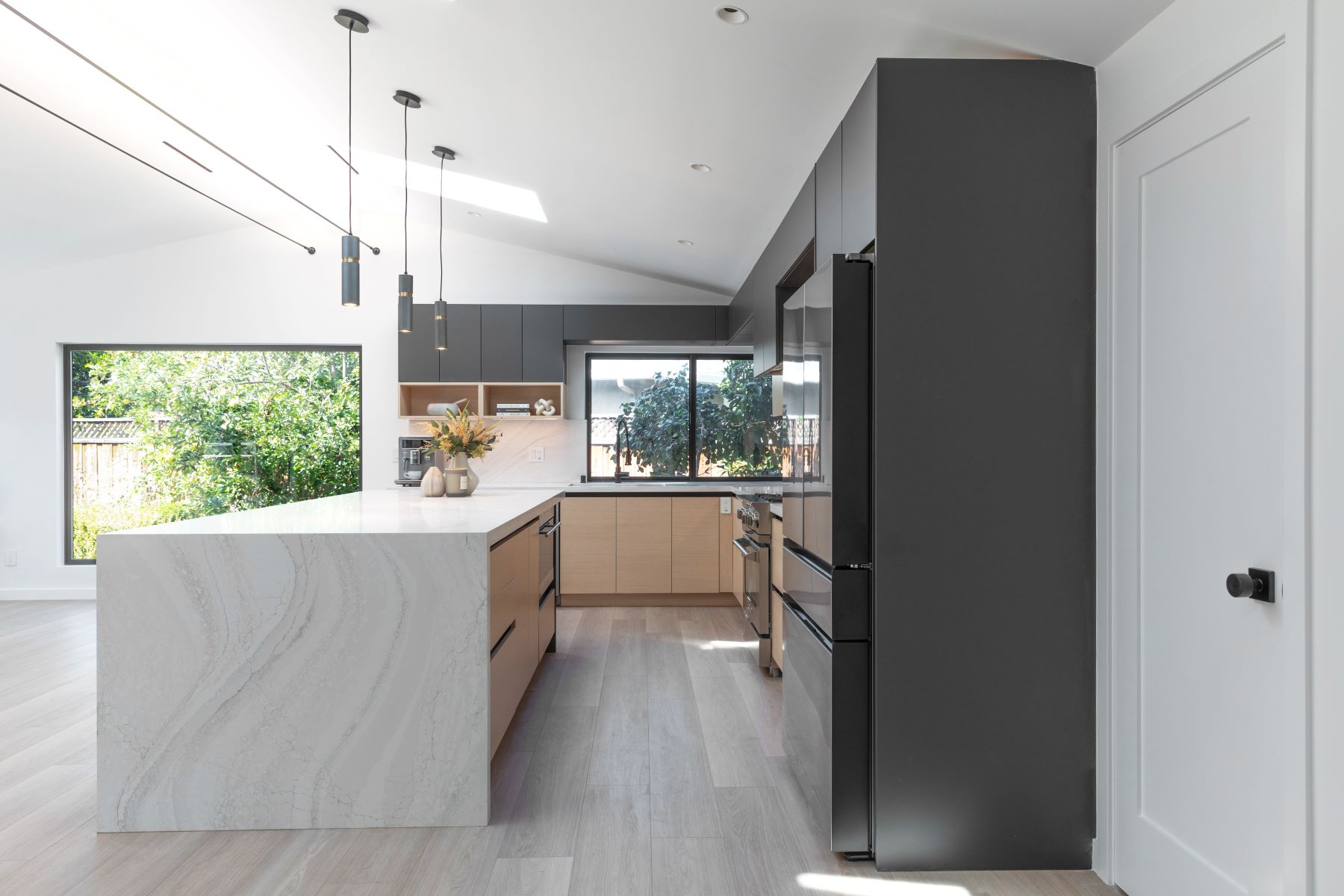
Beyond aesthetics, certain features are vital for the functionality and longevity of your cabinets. Let’s highlight what should be on your checklist.
Integrated Lighting and Ventilation Planning
Integrated lighting enhances both functionality and ambiance. Plan for LED strips or under-cabinet lights to illuminate workspaces. Additionally, proper ventilation planning prevents moisture build-up. Ensure your cabinets are designed to allow air circulation, especially in areas prone to humidity. These features contribute to a kitchen that’s both beautiful and practical.
Hardware and Hinge Selection
Selecting the right hardware and hinges is more than just a design choice. It’s about ensuring long-lasting performance. Opt for durable materials that can withstand frequent use. Consider soft-close hinges for a quieter kitchen experience. Your hardware choices should complement your overall design while providing smooth operation. Good hardware is a crucial investment in your kitchen’s future.
Drawer Sizing and Load Ratings
Drawer sizing and load ratings are key for functionality. Ensure your drawers are spacious enough for your needs but not so large they compromise structural integrity. Check load ratings to prevent sagging or damage under weight. Proper planning in this area avoids future repair costs and keeps your kitchen running smoothly. With the right drawer setup, you’re prepared for anything your kitchen throws your way.
Each decision you make is a step toward a more functional and beautiful kitchen. By considering these factors, you ensure your custom cabinetry is a success, delivering both style and substance for years to come.