Kitchen Cabinet Materials: What Lasts, What Fails, and Why
Choosing the right kitchen cabinet materials can make or break your remodel. Many homeowners face costly repairs and fading finishes because of hidden flaws in common choices. In this post, you’ll learn which materials truly stand up over time, why some fail fast, and how Ronbow’s California-made cabinets offer a reliable path to lasting quality. Ready to make your next kitchen remodel Bay Area project one you won’t have to revisit?
Choosing Durable Cabinet Materials
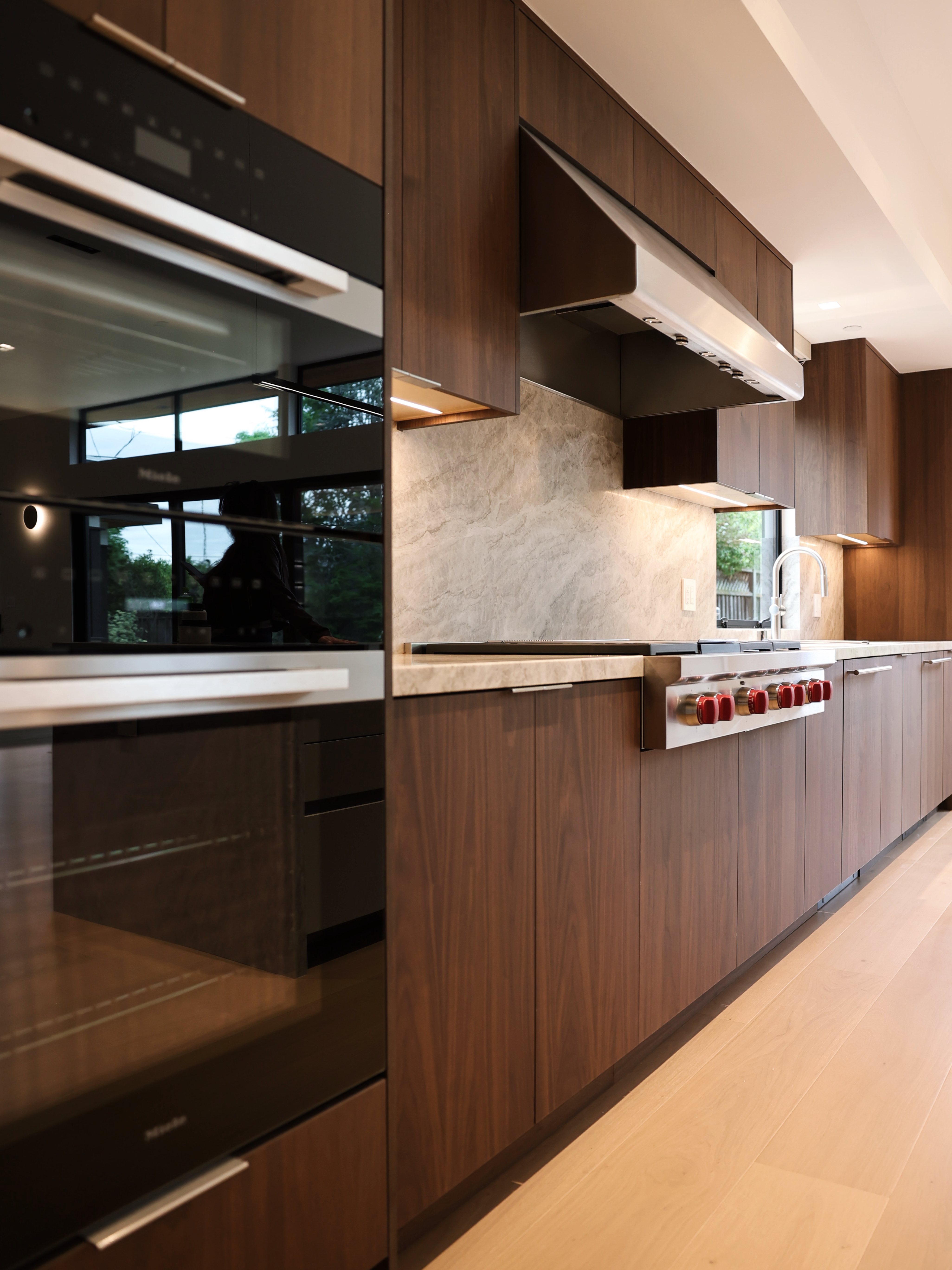
When it comes to choosing cabinet materials, understanding the strengths and weaknesses of each type is crucial. Investing in quality materials up front can save you time and money down the line.
Solid Wood vs Veneer Doors
Solid wood doors offer a timeless appeal. They boast natural grain patterns and the ability to be refinished. However, they can warp with humidity changes. Veneer doors, on the other hand, provide stability with a thin layer of real wood over a stable substrate. This reduces the risk of warping while still delivering a genuine wood look.
For those seeking the best of both worlds, consider the practical benefits of veneer. It offers a consistent appearance without the unpredictability of solid wood. Plus, veneer allows for a wide range of finishes, giving you greater design flexibility.
Plywood vs MDF Cabinets
Choosing between plywood and MDF cabinets is a common dilemma. Plywood is celebrated for its strength and resistance to moisture. It’s crafted from layers of wood veneer glued together, providing durability and longevity. MDF, made by compressing wood fibers, is perfect for smooth surfaces and paint finishes.
Although MDF offers a sleek finish, it can’t match plywood’s durability. For high-traffic kitchens, plywood is a smart choice to withstand daily wear. Think about the long-term: plywood’s resilience could save you from frequent replacements.
HDF Shaker Doors Explained
HDF shaker doors might be the unsung heroes of kitchen design. They combine the smooth surface of MDF with enhanced durability. HDF stands for High-Density Fiberboard, crafted for precision and strength.
These doors are ideal for paint finishes, offering a seamless and crack-free surface. Their engineered structure resists warping better than solid wood, making them a reliable option for long-lasting beauty. If you’re aiming for sleek and modern, HDF shaker doors are worth considering.
Navigating Environmental Impacts
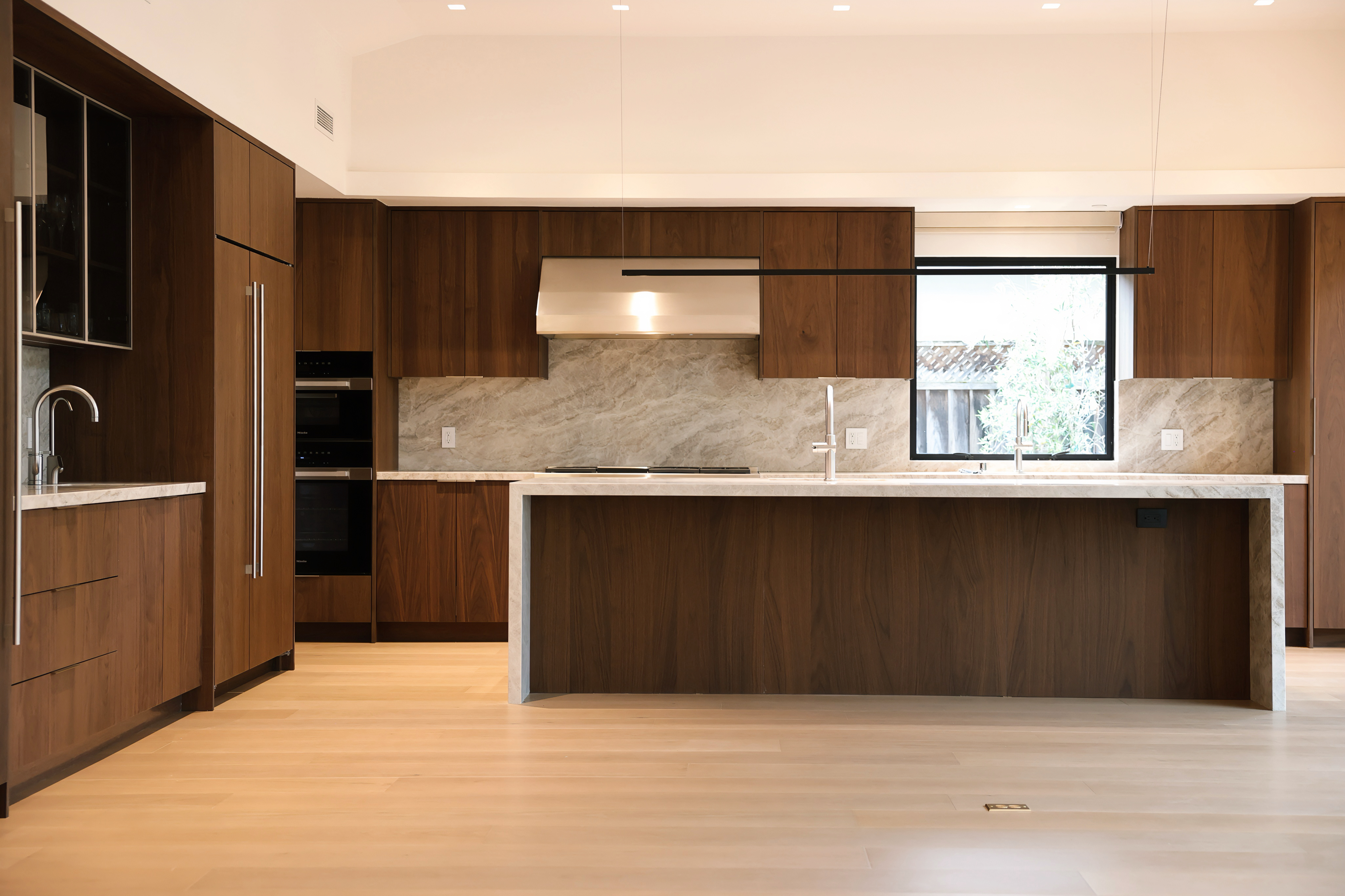
Being mindful of environmental impacts is more than a trend; it’s a necessity for a sustainable future. Choosing eco-friendly cabinet options not only benefits the planet but also promotes healthier indoor air quality.
Low-VOC Cabinet Finishes
Low-VOC finishes are essential for healthy living spaces. VOCs, or volatile organic compounds, are chemicals that can off-gas from traditional finishes, affecting indoor air quality. Opting for low-VOC finishes in your kitchen cabinets helps ensure a safer environment for your family.
These finishes provide durability without the harmful emissions. They meet strict environmental standards while maintaining the quality and appearance of your cabinets. By choosing low-VOC options, you’re prioritizing health and sustainability in one step.
CARB Phase 2 Compliant Cabinetry
CARB Phase 2 compliance is a key standard for cabinetry. It’s part of California’s regulations to reduce formaldehyde emissions from composite wood products. Cabinets that meet CARB Phase 2 standards ensure that harmful emissions are minimized.
This compliance is not just a local concern; it’s a mark of quality and safety. By opting for CARB Phase 2 compliant cabinets, you’re making a choice that benefits both your home and the environment.
Sustainable Cabinetry in California
California leads in sustainable cabinetry practices. Brands that manufacture locally often have better control over their supply chain, ensuring ethical sourcing and reduced carbon footprint.
When you choose California-made cabinets, you’re supporting local craftsmanship and sustainable practices. These cabinets are built to last, marrying quality with environmental responsibility. Make a choice that aligns with your values and enjoy a kitchen that stands the test of time.
Ensuring Long-Term Performance
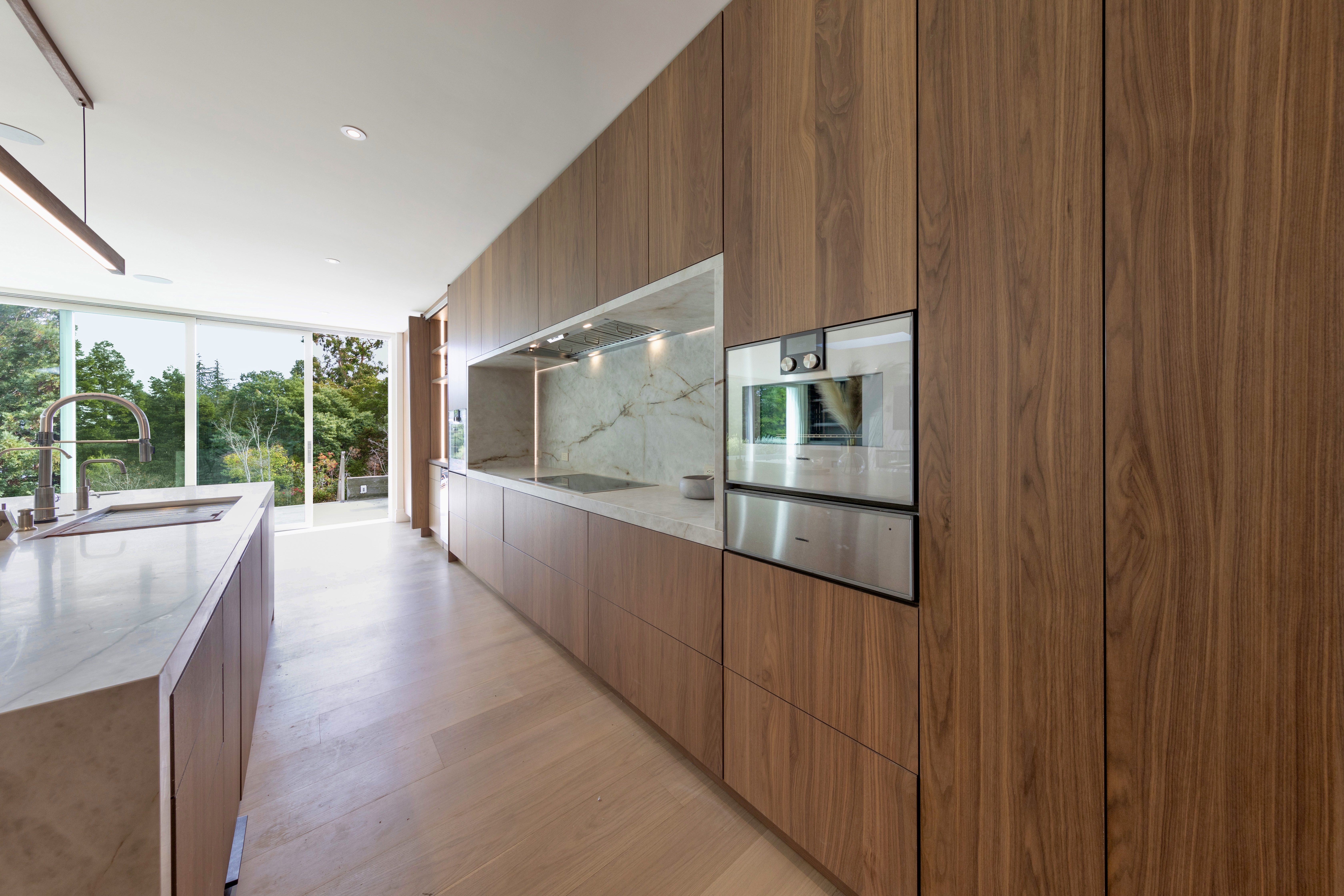
Durability is a cornerstone of quality cabinetry. By focusing on key construction details, you can ensure your cabinets remain reliable for years to come.
Cabinet Box Plywood Thickness
The thickness of your cabinet box plywood plays a vital role in its strength. Thicker plywood provides a more robust structure, reducing the risk of sagging or warping over time.
Typically, a thickness of at least 3/4 inch is recommended for high-quality cabinets. This provides a solid foundation, especially for heavy items stored within. Opting for thicker plywood is a wise investment in the longevity of your kitchen.
Cabinet Durability in Humidity
Humidity can be a cabinet’s worst enemy. High moisture levels can lead to warping and damage. To combat this, choose materials that withstand humidity well, such as plywood or HDF.
Consider the finish, too. A durable sealant can protect against moisture intrusion. Keeping humidity levels in check with proper ventilation also extends the life of your cabinetry, ensuring they stay beautiful and functional.
Edge Banding ABS vs PVC
Edge banding is a small detail with a big impact. It protects the edges of cabinets from damage and moisture. ABS and PVC are common materials used for edge banding, each with unique benefits.
ABS is a non-toxic option, offering flexibility and heat resistance. It’s also more environmentally friendly. PVC, while more affordable, can emit harmful chemicals over time. Choosing ABS ensures a safer, more sustainable choice for your home.
In conclusion, selecting the right materials and practices for your kitchen cabinets is crucial. By understanding the benefits and drawbacks of each option, you can make informed decisions that will serve you well. With thoughtful choices, your kitchen will be both beautiful and enduring, reflecting your commitment to quality and sustainability.