Most people ordering made-to-order kitchen cabinets in California face surprises they didn’t expect. You might think measurement and lead time are straightforward—until you hit a hidden snag in installation or finish choices. This checklist clears the fog around specs, site readiness, and sustainable options. Read on to make sure your custom kitchen cabinets deliver exactly what you planned.
Preparing for Custom Cabinets
Accurate Measurements Matter
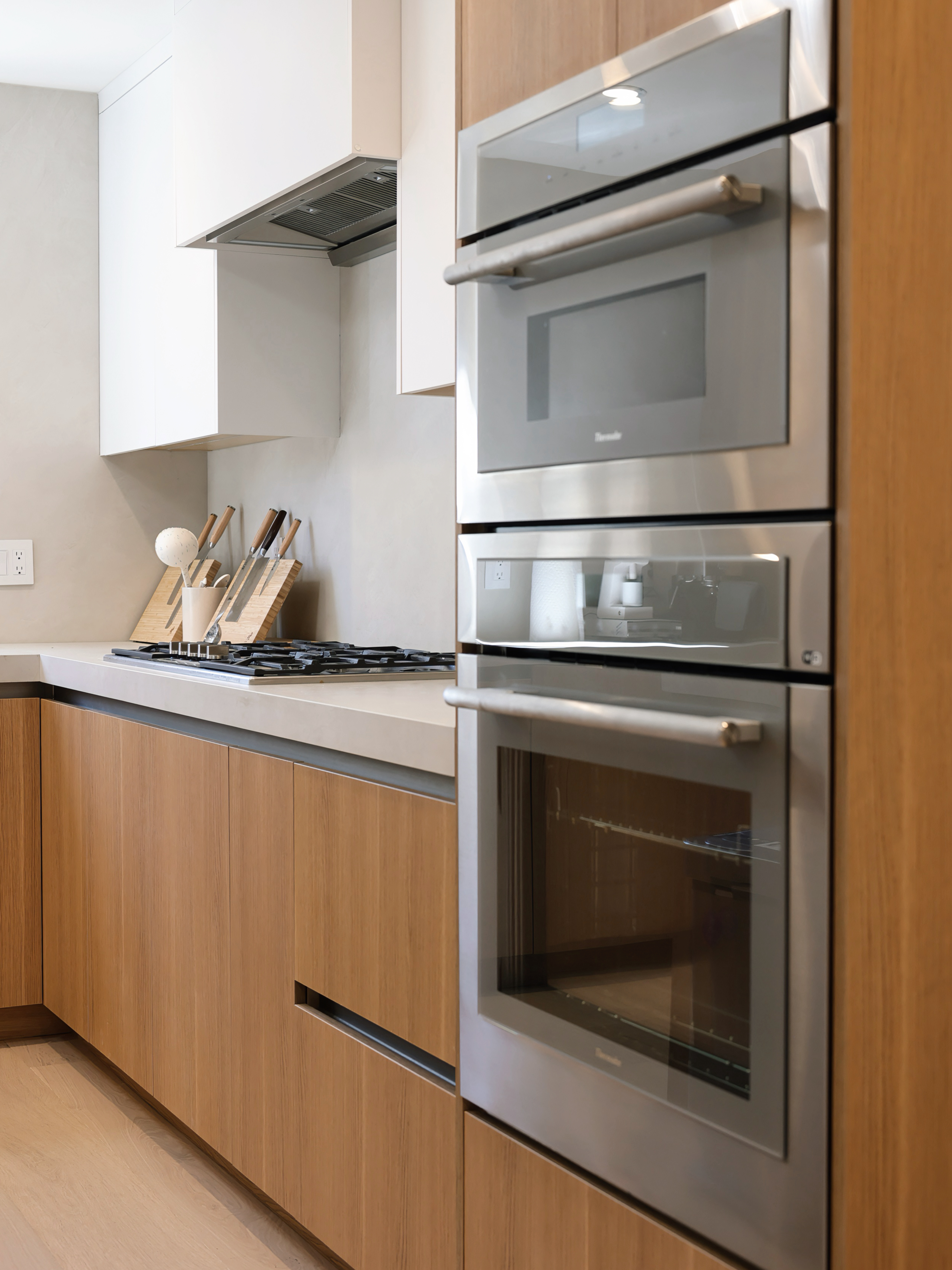
Getting the measurements right is the first step to avoiding costly errors. You might think measuring your kitchen is simple, but even a small mistake can lead to a big problem. To ensure accuracy, use a steel tape measure instead of a fabric one. Measure twice to confirm each dimension. Remember, you need to account for door swings, appliance placements, and any architectural features that might affect cabinet fit. Many homeowners overlook the importance of factoring in these elements, which can cause delays and added expenses later.
Another tip is to mark down all electrical outlets, plumbing, and vents on your measurement sheet. This helps in designing a layout that doesn’t interfere with existing utilities. If you’re unsure, a professional consultation can provide peace of mind. Most people believe they can handle this on their own, but an expert eye can spot potential issues and suggest practical solutions.
Site Readiness Essentials
Before your cabinets arrive, make sure your site is fully prepared. This means clearing out the space where the cabinets will go. Remove any items that might get in the way during installation. Also, check that your floors are level and your walls are plumb. If they’re not, adjustments will need to be made before the cabinets can be installed properly.
It’s also crucial to ensure that the area is clean and dry to prevent any damage to the cabinets. A damp or dusty environment can lead to warping or finish problems. Make sure all utilities are in place and functioning as needed. Preparing your site might seem like a minor detail, but it’s a step that can significantly impact the success of your project.
Budgeting and Pricing Insights
Understanding the full cost of your custom kitchen cabinets is essential. Prices can vary widely based on materials, finishes, and design complexity. Set your budget early and prioritize what’s most important to you. When planning, keep in mind that unexpected costs can arise. Reserve a portion of your budget for these surprises.
Another aspect to consider is the long-term value of investing in quality materials and craftsmanship. While it might be tempting to cut corners to save money initially, high-quality cabinets can enhance your home’s value and last longer, saving you money in the long run. Be sure to discuss all cost elements upfront with your cabinet maker to avoid any hidden fees or surprises.
Design and Specification Choices
Exploring Finishes and Hardware
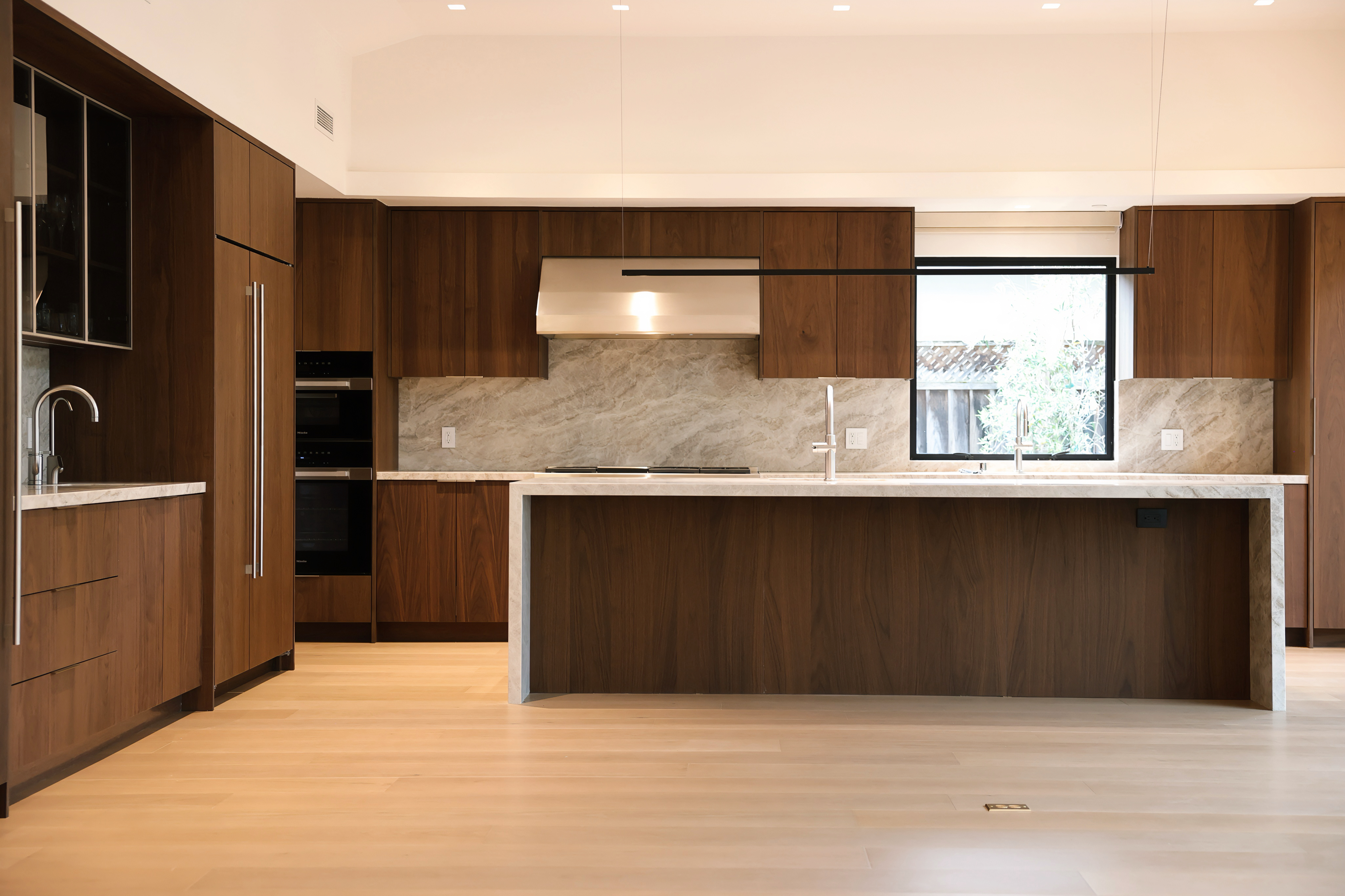
Choosing finishes and hardware is where you can really personalize your kitchen cabinets. Whether you prefer a classic wood stain or a modern matte finish, your choice will affect not only the look but also the maintenance of your cabinets. Matte UV finishes, for instance, offer durability and a sleek appearance but might require more frequent cleaning. Don’t forget to select hardware like handles and hinges that complement your overall design.
Finishes and hardware are not just aesthetic choices but also affect functionality. Opt for soft-close hinges and slides to enhance the usability of your cabinets. These small details can make a big difference in your daily kitchen experience. If you’re unsure, request samples to see and feel the options in your own home environment.
Understanding Cabinet Tolerances
Cabinet tolerances refer to the small allowances for movement and adjustment during installation. This might sound technical, but it’s crucial for a perfect fit. Most custom cabinets are designed with tolerances as tight as 1/16 inch. This ensures that your cabinets fit seamlessly within your space, even if there are slight irregularities in your walls or floors.
Knowing about tolerances helps you understand why precise measurements are so important. It also informs you why some adjustments might be needed during installation. Emphasizing this aspect can prevent misunderstandings and set realistic expectations for the final look of your kitchen.
Frameless European Design Benefits
Frameless European cabinets are popular for their sleek look and efficient use of space. Unlike traditional framed cabinets, frameless options offer more accessible storage and a modern aesthetic. This design is particularly beneficial for small kitchens where maximizing space is critical. The clean lines and full access doors create a streamlined appearance that many homeowners find appealing.
If you’re considering this design, think about how it fits with the overall style of your home. European cabinets can complement both contemporary and traditional settings, making them a versatile choice. Their construction also tends to be more robust, providing longer-lasting quality.
Navigating Order and Installation
Lead Time Expectations
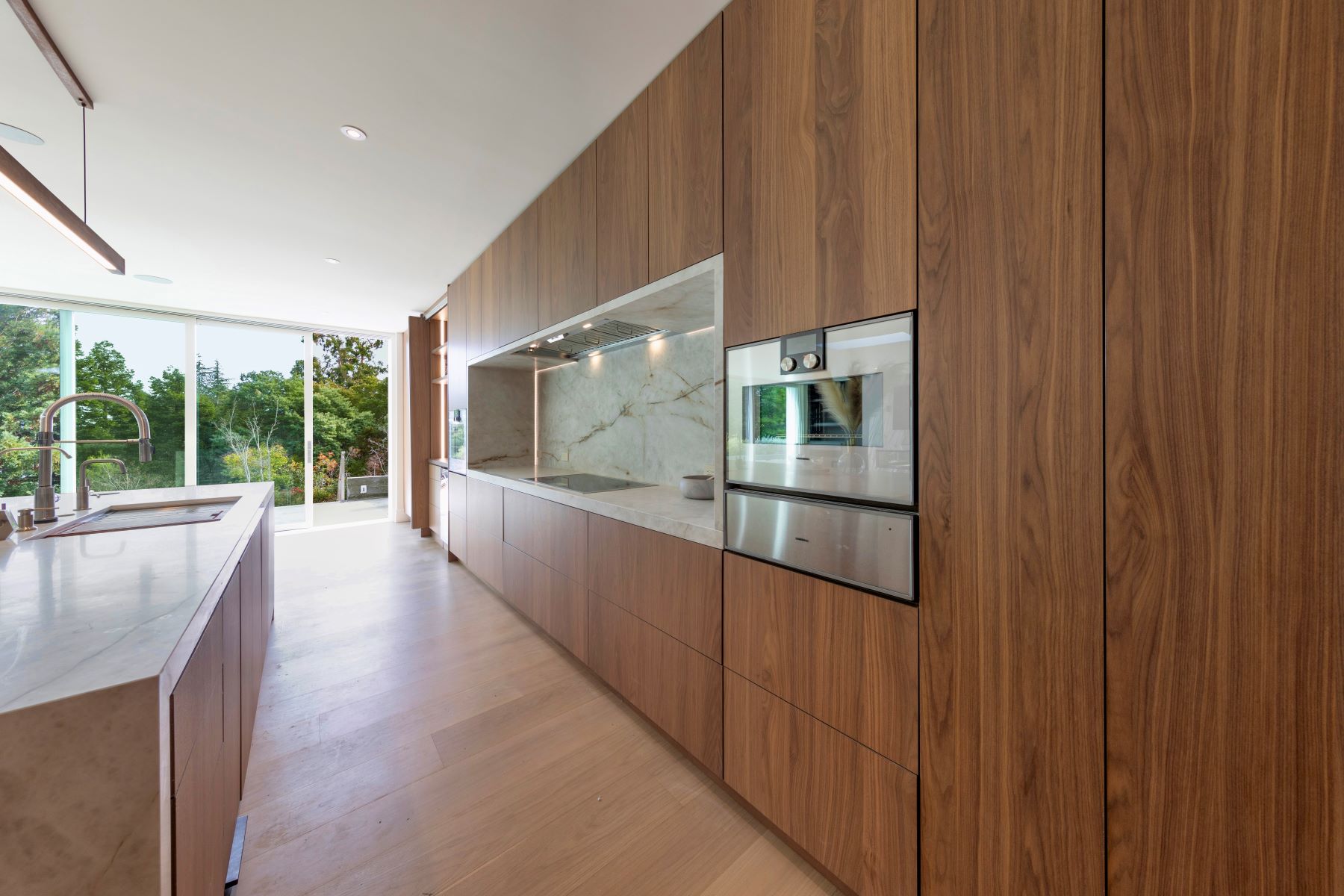
Knowing what to expect regarding lead times can help you plan your project effectively. Typically, made-to-order kitchen cabinets take between 6 to 8 weeks from the final design signoff to delivery, especially with local manufacturing in California. This timeframe allows for quality control and ensures your cabinets meet high standards.
Be mindful that changes in design or finish selections can extend lead times. It’s advisable to finalize choices early to avoid delays. If you need your cabinets by a specific date, communicate this clearly with your cabinet maker from the start. Understanding lead times will help you coordinate other aspects of your renovation, like appliance installation or flooring.
Installation Requirements Checklist
Successful installation requires careful planning and preparation. Start by confirming that your installation team has access to all necessary tools and equipment. They should also be familiar with your specific cabinet design and any unique features. Clear communication with your installer can prevent misunderstandings and ensure a smooth process.
Create a checklist that includes confirming the delivery date, ensuring all utilities are functioning, and having a clean, clear workspace. This proactive approach can prevent last-minute hiccups. Remember, thorough preparation can make the difference between a seamless installation and a series of avoidable problems.
Change Policies and Flexibility
Understanding the change policies of your cabinet maker is crucial. Once production begins, making changes can be difficult and costly. Most companies have a cutoff for changes to ensure timely delivery. Before this deadline, you should review all aspects of your order carefully.
If flexibility is important to you, discuss this with your cabinet maker during the initial consultation. Some manufacturers might offer limited changes past the deadline for an additional fee. Knowing these details upfront helps manage expectations and allows you to make informed decisions.
In summary, preparing for custom cabinets involves careful planning, from precise measurements to understanding design choices and installation needs. By considering these factors, you can ensure a smooth experience and a beautiful, functional kitchen that meets your expectations.