Most sustainable cabinetry looks good on the surface—but how do you know it will hold up for years? Many cabinets claim durability, but few show the facts behind their materials, construction, and finishes. This guide breaks down the key tests and certifications that prove real longevity, so you can avoid costly surprises and choose California-made cabinets that last. Ready to take the guesswork out of durability?
Understanding Cabinet Construction
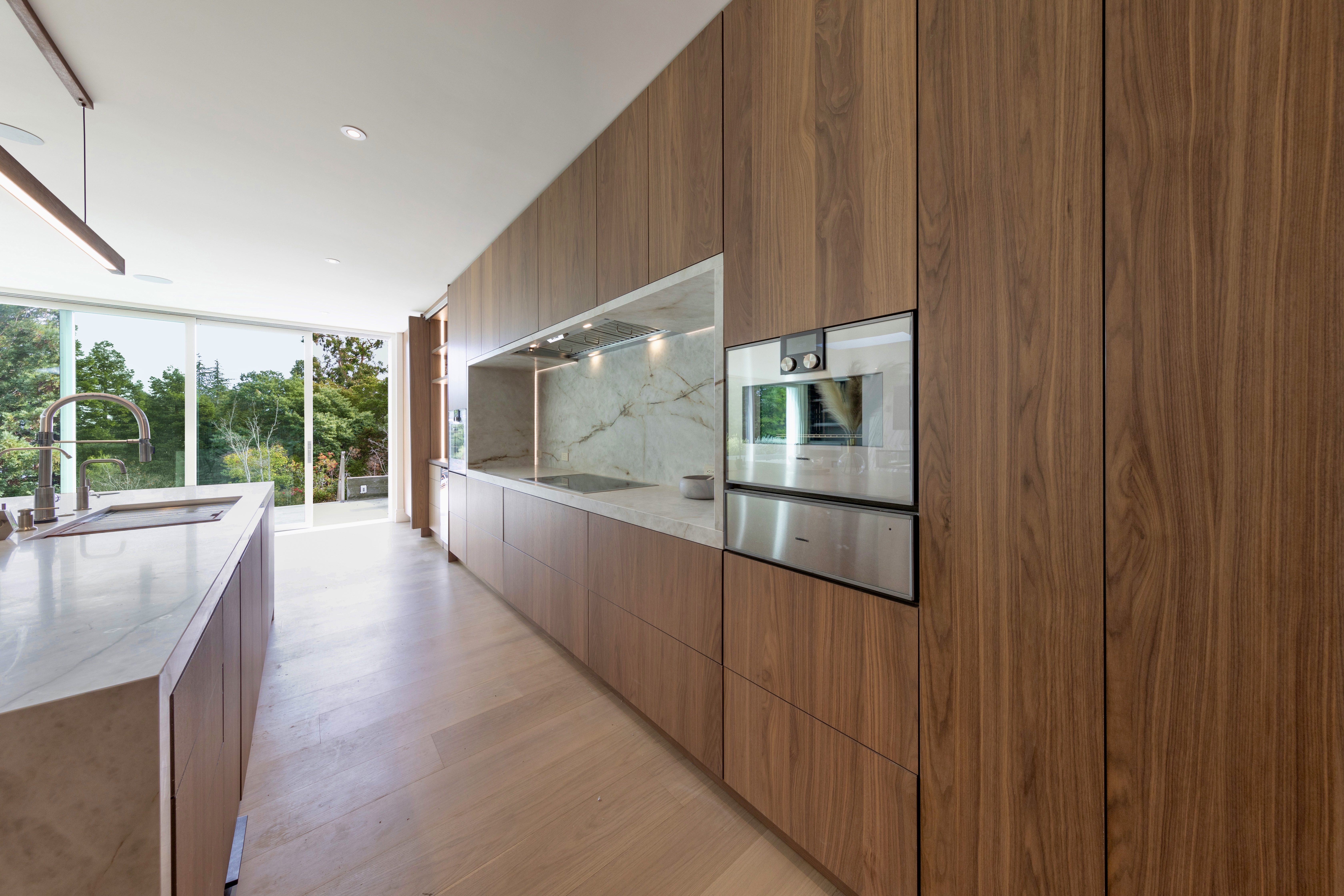
Let’s start by looking at what makes a cabinet strong. It’s not just how it looks on the outside but what’s inside that counts.
Materials That Matter
The foundation of a cabinet’s durability lies in its materials. Solid wood cabinet doors offer strength and beauty that can withstand years of use. In contrast, plywood vs particleboard cabinets reveal differences in strength and weight. Plywood, made from thin wood layers glued together, is more robust than particleboard, which can sag or warp over time. Another vital material consideration is using formaldehyde-free cabinetry for healthier indoor air. Opt for FSC-certified wood cabinets to ensure the wood is sustainably sourced. Remember, the right materials not only enhance longevity but also contribute to a healthier home environment.
Hardware and Joinery Insights
Cabinet hardware plays a crucial role in durability. Look for Blum hinges and slides, known for their smooth operation and long lifespan. Soft-close hardware cycle rating provides insight into how many times a door or drawer can be opened and closed before wearing out. It’s not just about the hardware but also how it’s connected. Cabinet joinery dado dowel enhances stability, ensuring parts don’t loosen over time. Quality joinery and hardware prevent the annoying sagging and misalignment that often plagues poorly made cabinets.
Evaluating Finish Quality
The finish is the first line of defense against wear and tear. Greenguard Gold finishes ensure low chemical emissions, protecting family health. A waterborne UV-cured finish offers a tough, scratch-resistant layer that stands up to daily use. Testing the finish’s resistance to moisture and chemicals will reveal its true durability. A high-quality finish keeps your cabinets looking new, reducing the need for frequent touch-ups and repairs.
Certifications and Standards
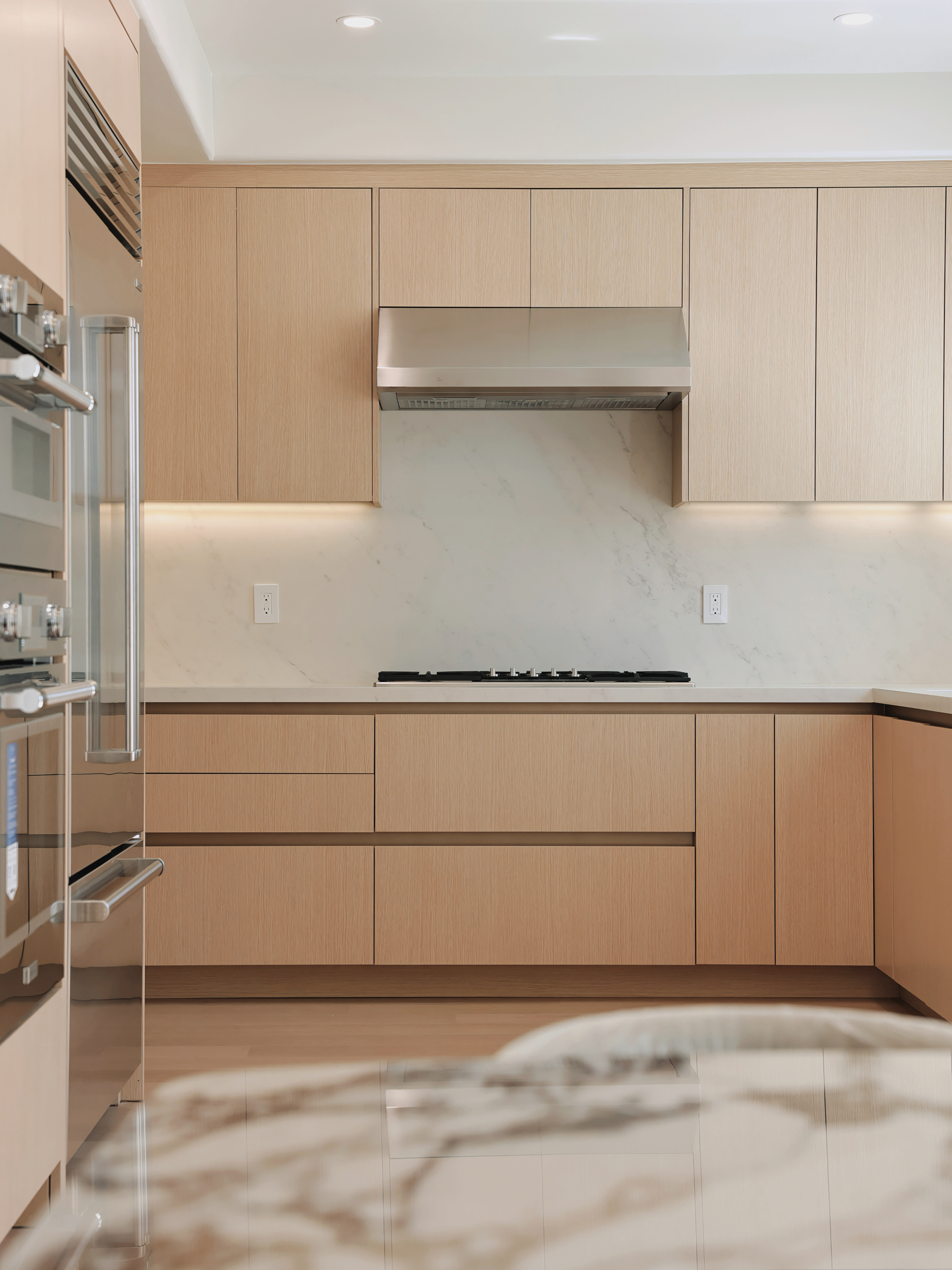
Certifications tell you a lot about quality and sustainability. They’re like a report card for your cabinets, showing they meet specific industry standards.
Key Industry Certifications
When choosing cabinets, look for certifications like ANSI/KCMA A161.1, which tests structural integrity and finish durability. CARB2 compliant cabinetry ensures low formaldehyde emissions, a key factor in indoor air quality. These certifications are not just labels; they confirm that the cabinets have passed rigorous tests, giving you peace of mind about their quality and safety.
Importance of Greenguard Gold
Greenguard Gold certification is more than just a badge. It means the product has been tested for over 10,000 chemicals and is safe for schools and healthcare facilities. This level of certification assures you that the cabinetry contributes to a healthier indoor environment. When you see this label, you know you’re protecting your family’s health while achieving a beautiful home design.
Assessing VOC Levels
Understanding VOC levels is crucial for maintaining good air quality in your home. Low-VOC cabinets release fewer volatile organic compounds, reducing indoor air pollution. Choose cabinetry that meets TSCA Title VI standards to ensure compliance with federal regulations. Keeping VOC levels low helps create a safer, more comfortable living space, free from harmful chemical emissions.
Practical Testing and Analysis
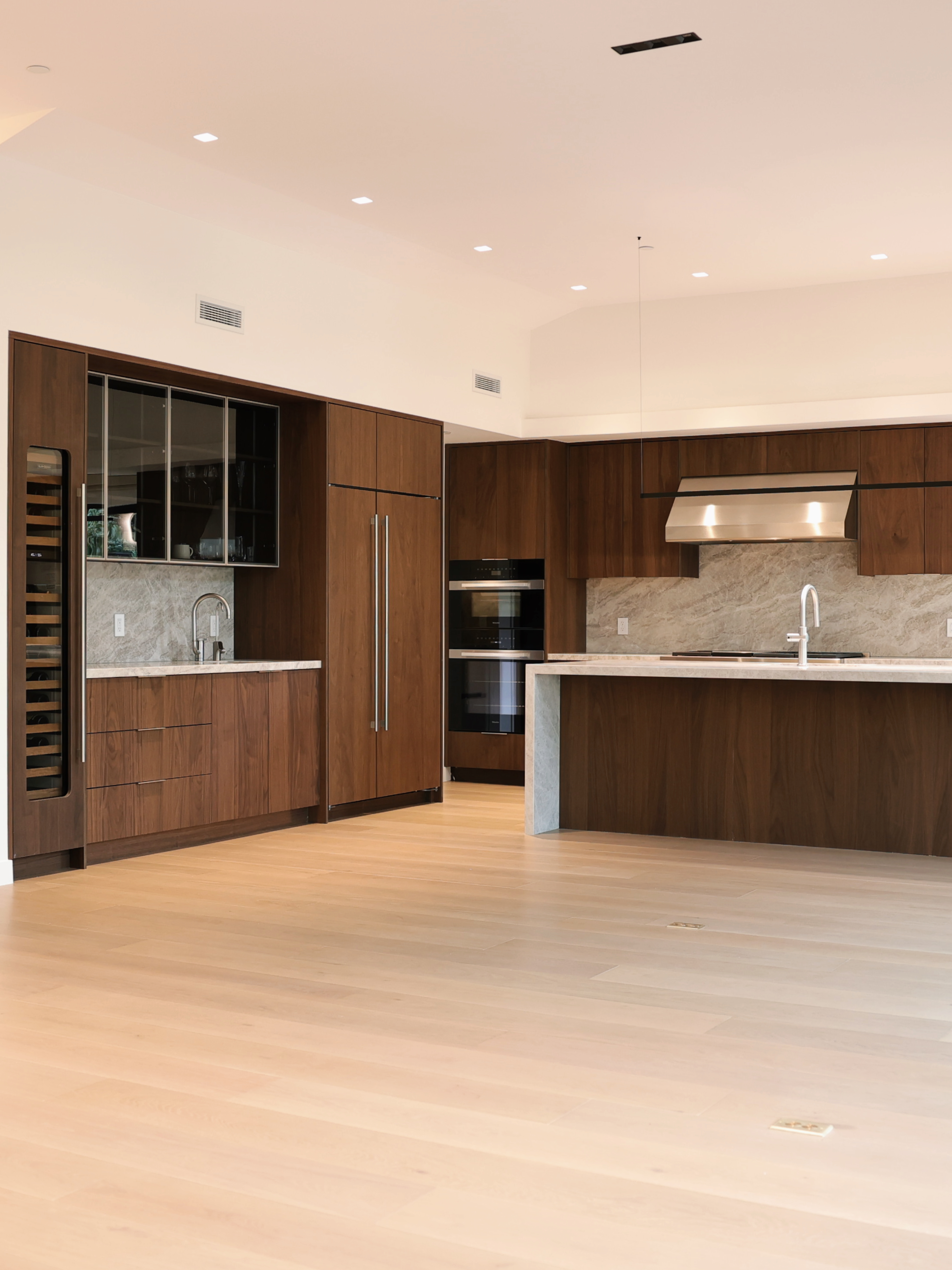
Testing cabinets isn’t just for professionals. You can do some of these checks yourself to ensure quality and durability.
Conducting Moisture Resistance Tests
Moisture is a cabinet’s enemy. A cabinet moisture resistance test involves applying water to the cabinet surface to see how it reacts. Quality cabinets will resist swelling and warping. This simple test can reveal how your cabinets will handle spills and humidity over time. Ensuring moisture resistance means your cabinets will maintain their integrity and appearance longer.
Measuring Hardware Cycle Ratings
To gauge the durability of your cabinet hardware, check its cycle rating. Manufacturers test hardware by opening and closing doors and drawers thousands of times. High cycle ratings mean the hardware can withstand years of use without failing. Investing in hardware with a high cycle rating reduces the need for replacements and repairs, saving you time and money.
Hands-on Showroom Consultation Benefits
Visiting a showroom offers hands-on evaluation opportunities. See and feel the quality of materials, finishes, and hardware. A showroom visit allows you to consult with experts who can answer questions and offer personalized advice. This firsthand experience helps you make informed decisions about your cabinetry choices, ensuring you select the best option for your home.