Most cabinet systems claim to be custom, but how many really fit your space like they should? You’ve likely faced cabinets that don’t line up or clearances that feel tight and frustrating. This guide gives you a straightforward checklist to spot if a cabinet layout is truly site-measured, tolerance-planned, and built for your exact kitchen or bathroom. Read on to learn how to protect your remodel from costly surprises and bring your floor plan to our showroom for a 30-minute Layout Reality Check.
Assessing Your Cabinet Layout
Understanding whether your cabinet system truly aligns with your space begins with a keen eye for detail. Let’s delve into the components that can make or break that perfect fit in your kitchen or bathroom.
Key Factors for Custom Cabinets
When considering custom cabinets, the key is to ensure they are genuinely tailored to your needs. First, think about your kitchen or bathroom’s specific dimensions. A truly custom cabinet doesn’t just fit; it complements your space. It should reflect your style and meet your functionality needs. Look for cabinets that come with built-in organization features, as they can help maximize your storage.
Another critical factor is the material. Opt for high-quality materials like solid wood or plywood. These materials often last longer and can withstand wear and tear better than others. Lastly, consider the finish. The right finish should not only look good but also protect your cabinets from moisture and stains. This attention to detail ensures your cabinetry remains beautiful and functional for years to come.
Importance of Site-Measured Cabinets
One of the biggest mistakes is assuming one size fits all. Site-measured cabinets ensure that your cabinetry is designed and built specifically for your space. This process involves precise measurements, reducing the risk of gaps or misalignment. When a cabinet is site-measured, it fits perfectly, eliminating awkward gaps or misaligned edges.
Moreover, site-measured cabinets account for your home’s unique quirks. Older homes, for example, may have non-standard angles or uneven walls. Site-measuring allows for adjustments to ensure a seamless fit. This attention to detail helps avoid the frustration of trying to make off-the-shelf cabinets work in a space they were never designed for.
Understanding Cabinet Tolerances
Cabinet tolerances refer to the allowable variations in dimensions. Understanding these is crucial for ensuring your cabinets fit well and function correctly. Tolerances can affect everything from the alignment of doors to the spacing between drawers. Knowing the tolerances can help you communicate more effectively with your cabinet maker and ensure the final product meets your expectations.
A professional will use precision tools to measure and set these tolerances accurately. This precision ensures that doors swing properly and drawers glide smoothly. Without proper attention to tolerances, you might face issues like sticking drawers or misaligned doors, which can detract from the overall functionality and appearance of your kitchen or bath.
Planning for Seamless Integration
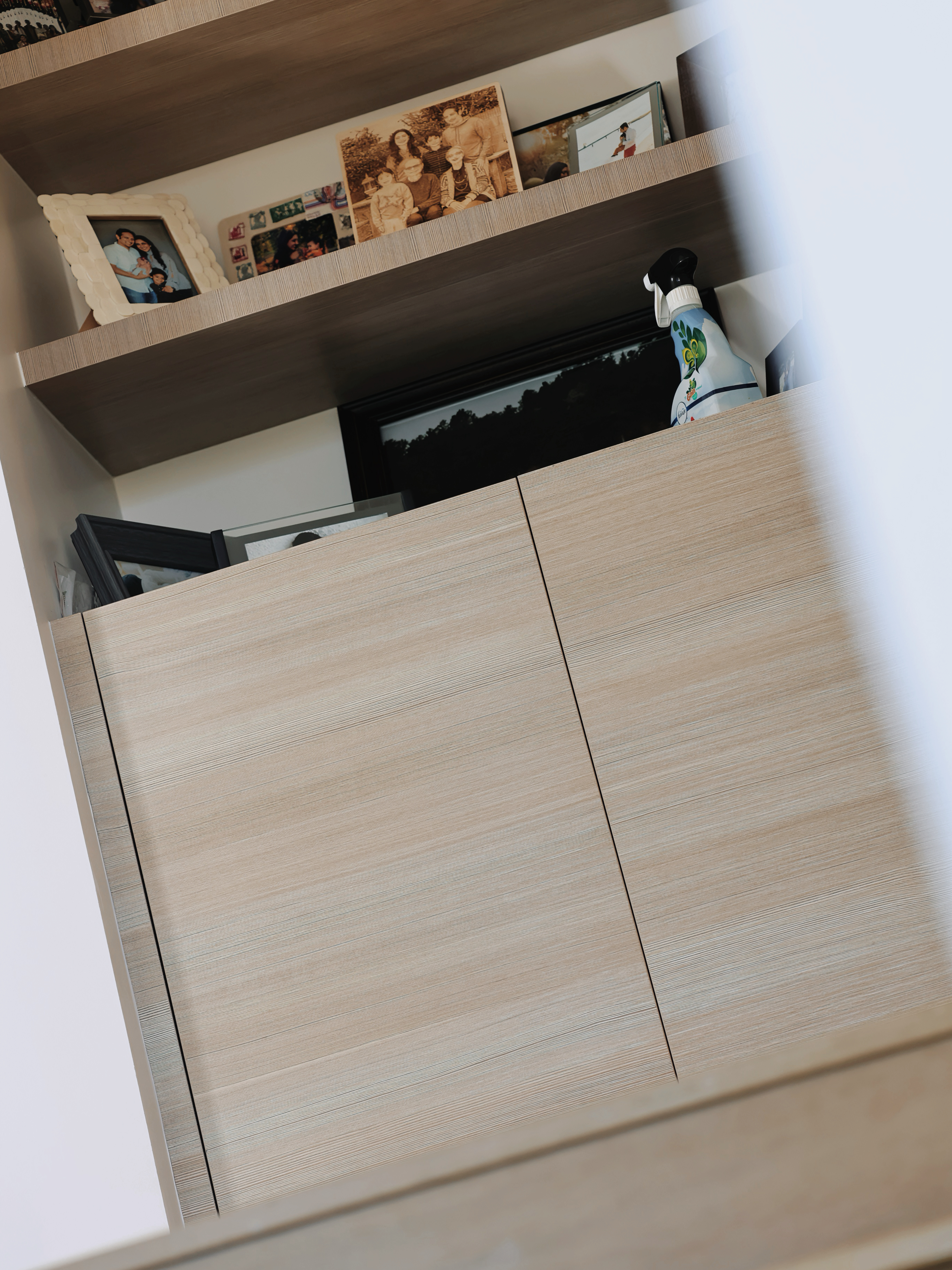
Once you have the right cabinets, the next step is ensuring they integrate seamlessly with the rest of your space. Proper planning here can save time and prevent headaches down the line.
Clearance Standards for Appliances
Clearance standards are vital for ensuring your appliances fit and function correctly within your cabinetry. Always measure the dimensions of your appliances before finalizing your cabinet plans. This includes accounting for the necessary space for doors to open without obstruction.
Keep in mind the need for airflow around appliances like refrigerators and ovens. Proper ventilation is crucial to their performance and longevity. Additionally, consider how your appliances will be used day-to-day. Are there handles that need extra clearance? Will you need space to pull out a shelf or extend a drawer? Addressing these questions upfront ensures a more functional and user-friendly kitchen.
Importance of Toe-Kick Clearance
The toe-kick is the recessed space at the bottom of your cabinets. It allows for closer access to the countertop while reducing strain on your back. Ensuring proper toe-kick clearance is essential for both comfort and functionality. Standard clearance is usually around 3 to 4 inches in height.
A well-designed toe-kick provides comfort while also contributing to the cabinet’s overall aesthetic. It can be customized in various ways, such as adding lighting for additional ambiance. Attention to this detail enhances both the appearance and usability of your cabinetry, ensuring that it not only looks good but feels good to use.
Hinge Overlay and Soft-Close Hinges
Hinge overlay refers to how much the door overlaps the cabinet frame. This aspect affects both the look and the functionality of your cabinets. Choosing the right hinge overlay can enhance the style of your cabinetry and ensure doors operate smoothly. Soft-close hinges are another feature that adds functionality by preventing doors from slamming shut, thus extending the life of your cabinets and reducing noise.
When selecting hinges, consider both the functional and aesthetic aspects. Soft-close mechanisms can be a game-changer in creating a quieter, more serene kitchen environment. Moreover, they add a touch of luxury and sophistication to your cabinetry, making everyday use more enjoyable.
Sustainable and Local Cabinetry
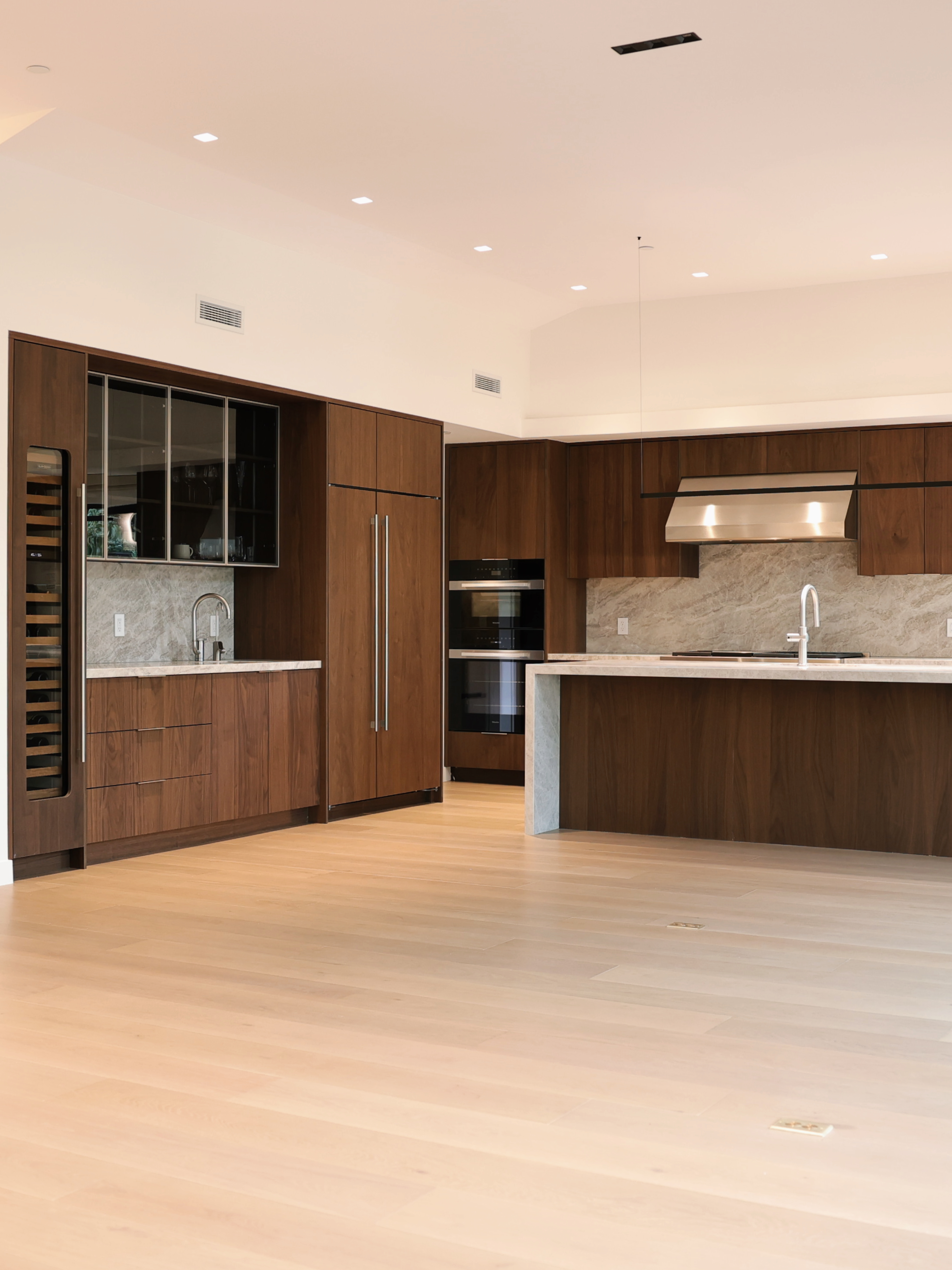
Choosing sustainable cabinetry options not only benefits the environment but also supports local economies. Plus, they can offer unique material choices that enhance the beauty and functionality of your space.
Material Choices: Plywood vs Particleboard
When selecting materials, understanding the differences between plywood and particleboard is key. Plywood is a premium option, known for its strength and durability. It’s made by layering thin sheets of wood, providing excellent resistance to warping and cracking.
Particleboard, on the other hand, is more affordable and often used in budget-friendly projects. It’s made from wood chips and resin, and while it’s less durable than plywood, it can still be a viable option for areas not exposed to moisture and heavy use. Knowing these differences helps you make an informed decision that balances cost with quality.
The Benefits of California Cabinets
Choosing cabinets crafted in California means supporting local craftsmanship and often results in higher quality products. Local manufacturing reduces shipping costs and provides quicker turnaround times. California cabinets often adhere to stricter environmental standards, ensuring that your home remains healthy and eco-friendly.
Furthermore, buying local promotes the local economy and ensures that you have direct access to your manufacturer for any questions or future needs. This proximity often results in better customer service and a higher level of satisfaction with your purchase.
Showroom Consultation and Installation Planning
A showroom consultation is a great way to see options firsthand and consult with experts. It allows you to touch and feel materials, see color options, and visualize how different styles will look in your space. During the consultation, you can discuss your specific needs and preferences, ensuring that the final product meets your expectations.
Installation planning is equally important. Proper planning ensures that your cabinets are installed correctly and efficiently. Discuss the timeline, potential challenges, and any specific requirements with your installer. This preparation can prevent delays and ensure a smooth installation process, leading to a beautiful and functional finished space.