Most cabinet vendors gloss over the details that make or break your remodel. You’ve probably seen glossy ads promising luxury but felt the sting of hidden compromises. This custom cabinetry checklist cuts through the noise, showing exactly what to verify before buying cabinets. Stick with us to learn the specs and tests that save you from costly rework—and why visiting a showroom for a hands-on consultation is the smartest move you’ll make.
Verify Vendor Credentials
Knowing the background of your cabinet vendor is crucial. You want to make sure they’re committed to quality and sustainability.
FSC Wood Cabinets California
When it comes to wood sourcing, look for vendors that offer FSC-certified wood. This certification ensures that the wood is harvested responsibly, meeting the highest environmental standards. In California, opting for FSC wood means you’re supporting eco-friendly practices. It’s not just about aesthetics; it’s about making a responsible choice for the planet. FSC wood gives you peace of mind, knowing that your cabinets contribute to sustainable forestry.
CARB2 NAUF Compliance
Next on your checklist is checking for CARB2 NAUF compliance. This standard ensures that the cabinets have low formaldehyde emissions, making them safer for your home’s air quality. With health being a top priority, choosing CARB2-compliant cabinets means you’re reducing harmful chemicals indoors. Most people overlook air quality issues, but with CARB2, you’re taking an essential step toward a healthier home environment.
Sustainable Cabinets Bay Area
Finally, consider how the vendor approaches sustainability. In the Bay Area, sustainable cabinets are a growing trend, and for good reason. They use materials that have a lower environmental impact, such as recycled wood or low-VOC finishes. Supporting sustainable practices not only helps the environment but also ensures your cabinets are built to last. When you choose eco-friendly options, you’re investing in a future that’s both stylish and responsible.
Assess Cabinet Construction Quality
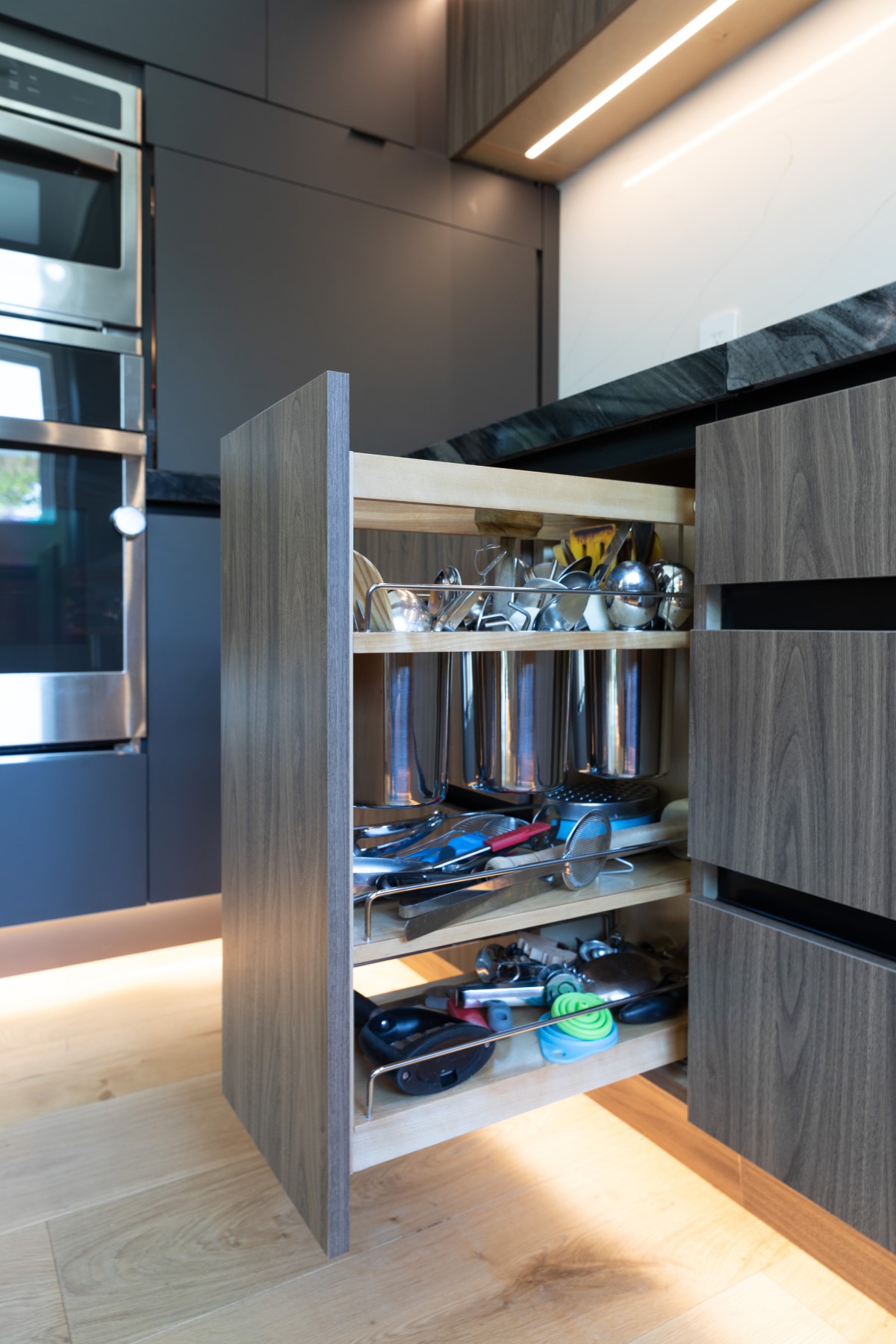
The bones of your cabinets determine their durability. Let’s dig into what makes solid construction.
3/4 Inch Plywood Cabinet Boxes
Start with the material: 3/4 inch plywood cabinet boxes are the gold standard. They’re sturdy and can withstand the wear and tear of daily use. Unlike particleboard, plywood doesn’t sag over time. This means your cabinets will maintain their shape and function for years. Choosing 3/4 inch plywood ensures you’re investing in cabinets that offer both strength and longevity.
Dowel and Dado Cabinet Construction
Look for cabinets that use dowel and dado construction. This technique involves interlocking pieces of wood for a tighter fit. It’s like having a puzzle with pieces that fit perfectly together, providing maximum strength. Dowel and dado construction is known for its durability and ability to handle heavy loads. With this method, you can be sure your cabinets are built to last.
2mm Edge Banding
Don’t overlook the edges! 2mm edge banding is crucial for protecting your cabinets from chips and moisture. It acts as a shield, keeping the edges intact and looking new. While many might consider it a minor detail, edge banding plays a significant role in the overall durability of your cabinets. Secure edge banding means your cabinets remain pristine, even with daily use.
Confirm Design and Installation Details
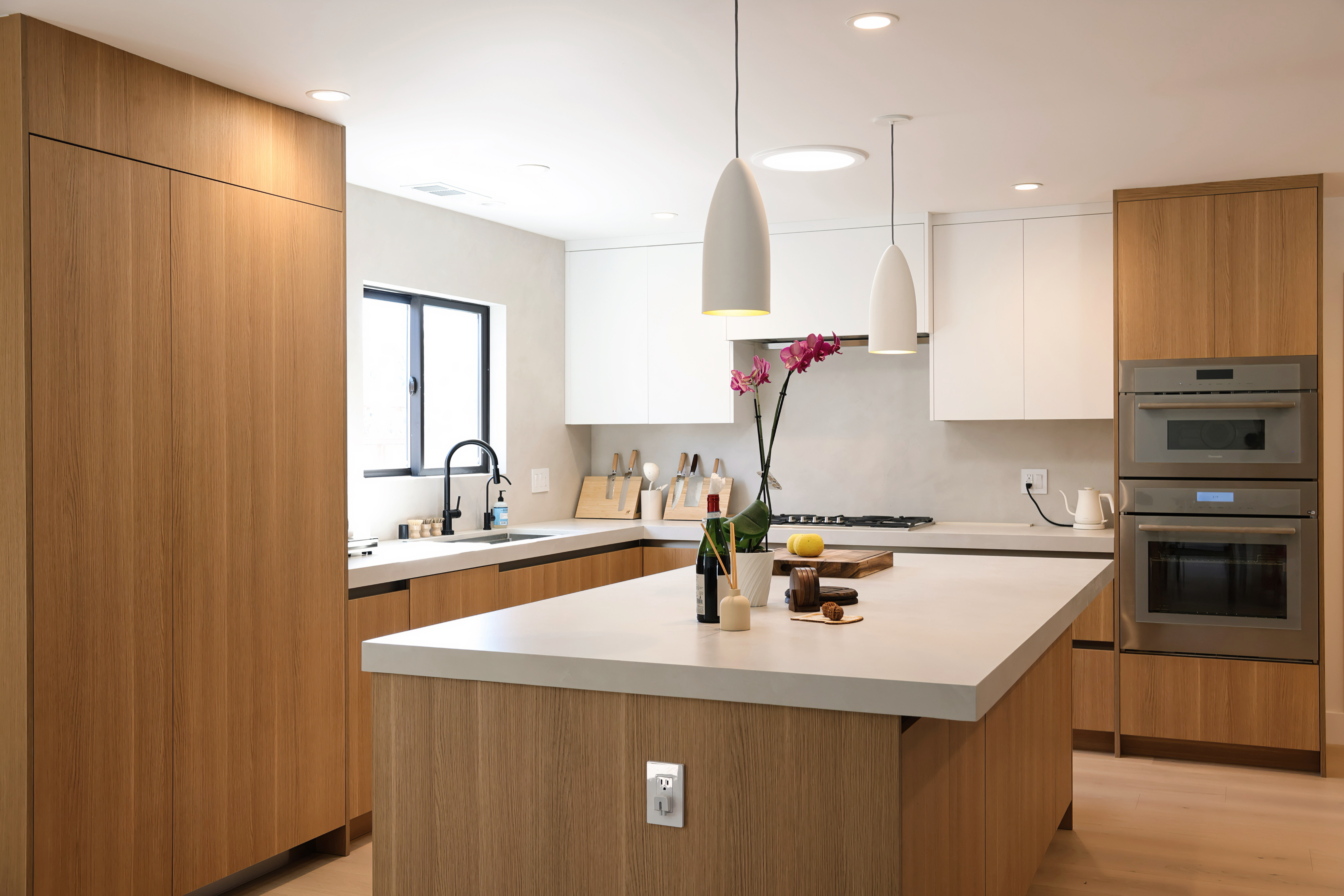
Installation can make or break your cabinet experience. Confirm these elements to ensure a smooth process.
Shop Drawings Approval Process
The shop drawings approval process is your blueprint for success. It involves reviewing detailed drawings of your cabinets before production. This step ensures everything is to your liking and specifications. By approving shop drawings, you’re minimizing errors and surprises during installation. Most people skip this step, but it’s your opportunity to catch any discrepancies early.
Cabinet Tolerances +/- 1/32
Precision matters. Ensure your cabinets have tolerances of +/- 1/32 of an inch. This level of precision guarantees that your cabinets will fit perfectly within your space. It also means your doors and drawers will align seamlessly, avoiding the common issues of misaligned cabinetry. Precision tolerances are the secret to achieving a flawless finish.
Change Order Policy Cabinetry
Lastly, understand the change order policy. This policy outlines how changes are handled after the initial order is placed. It’s crucial to know this because changes can impact your timeline and budget. By understanding the policy upfront, you can make informed decisions without unexpected costs. Having clarity on change orders ensures a smoother installation process.
By following this checklist, you’re well on your way to choosing cabinets that meet your needs and expectations. Remember, the longer you wait to verify these details, the more you risk encountering issues down the line. Your dream cabinets are within reach, and with this guide, you’re equipped to make the best choices for your home.