Most cabinet systems promise a perfect fit, but few deliver without surprises. If your kitchen remodel feels like a guessing game, the problem isn’t just design—it’s the details that reveal if cabinets truly match your layout. We’ll show you clear, testable signs that separate made-to-order cabinetry from off-the-shelf compromises. Read on to learn how precise shop drawings, installation tolerances, and corner solutions make all the difference.
Assessing Your Cabinet Layout
Understanding your cabinet layout can make or break your remodeling project. Let’s explore what to look for to ensure you’re getting the best fit.
Key Custom Cabinet Features
When choosing cabinets, focus on features that meet your specific needs. Custom cabinets offer flexibility in design and material. You get to decide on everything, from the kind of wood to the finish. This means your cabinets can be tailored to your style and space, rather than forcing your kitchen to fit standardized sizes. You can also incorporate soft-close hardware, which adds a touch of luxury and reduces wear and tear over time. With California cabinets, you can expect high-quality craftsmanship that’s built to last. These customizations not only enhance the beauty of your kitchen but also its functionality. Imagine pulling out a drawer that glides smoothly every time you open it. This is the level of quality you should look for.
Checking Installation Tolerances
Installation tolerances are essential for a flawless fit. They determine how well your cabinets align with walls and floors. It’s crucial to have precise measurements to avoid gaps and misalignment. Installation tolerances ensure your cabinets sit perfectly, even if your floors aren’t level. A good installer will make tiny adjustments to account for uneven surfaces. This process minimizes the risk of future issues, such as doors that don’t close properly. The longer you wait to address these issues, the more costly they can become. So, it’s worth spending time on this step to get it right the first time.
Appliance Integration Considerations
Integrating appliances seamlessly into your cabinet design is vital. You want your kitchen to look cohesive, not like a collection of mismatched parts. This involves planning for appliances like dishwashers and fridges from the start. Appliance integration should also consider ventilation needs and electrical access. Addressing these considerations early ensures a smooth installation process. You don’t want to find out too late that your new fridge doesn’t quite fit. Proper planning leads to a cohesive and efficient kitchen layout that works for you.
Ensuring a Perfect Fit
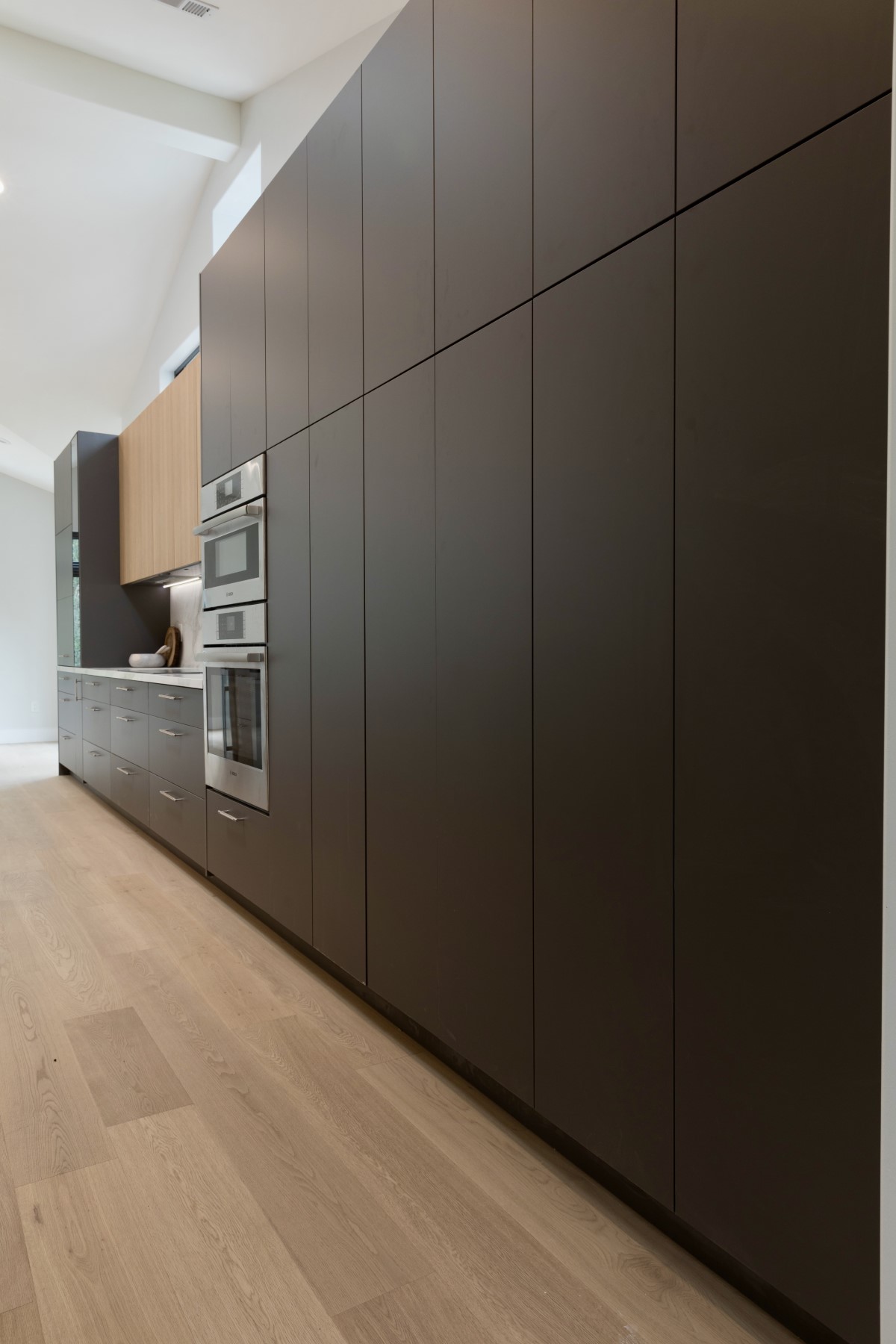
After understanding your layout, the next step is ensuring everything fits perfectly in your space. This involves several key checks and balances.
Importance of As-Built Verification
As-built verification is the process of confirming that installed cabinets match the design plans. This step is crucial as it catches any discrepancies between the plan and the actual installation. It’s like having a double-check system to ensure everything is as it should be. Without this step, you might find unwanted surprises after the work is done. By verifying the build, you ensure that everything fits and functions as intended. This can save you from costly modifications down the road.
Role of Shop Drawings
Shop drawings are detailed plans that guide the manufacturing of your cabinets. They show every small detail, from dimensions to the placement of each screw. Shop drawings act as a blueprint for your cabinets, ensuring that each piece fits perfectly into your space. They eliminate guesswork and ensure that your vision is accurately translated into reality. By following these drawings, manufacturers can produce cabinets that are precise and customized to your specifications. This leads to a smoother installation process and a final product that meets your expectations.
Evaluating Scribe Allowance and Fillers
Scribe allowance and fillers are techniques used to ensure a snug fit between cabinets and walls. Scribe allowance allows for slight adjustments to account for uneven surfaces. Fillers, on the other hand, are used to fill small gaps between cabinets and walls. These elements ensure that your cabinets look polished and professional, without awkward gaps or misalignments. By evaluating these components, you can achieve a seamless look that enhances the aesthetic of your kitchen. Remember, the devil is in the details, and these small adjustments can make a big difference in the overall appearance of your cabinetry.
Making Informed Decisions
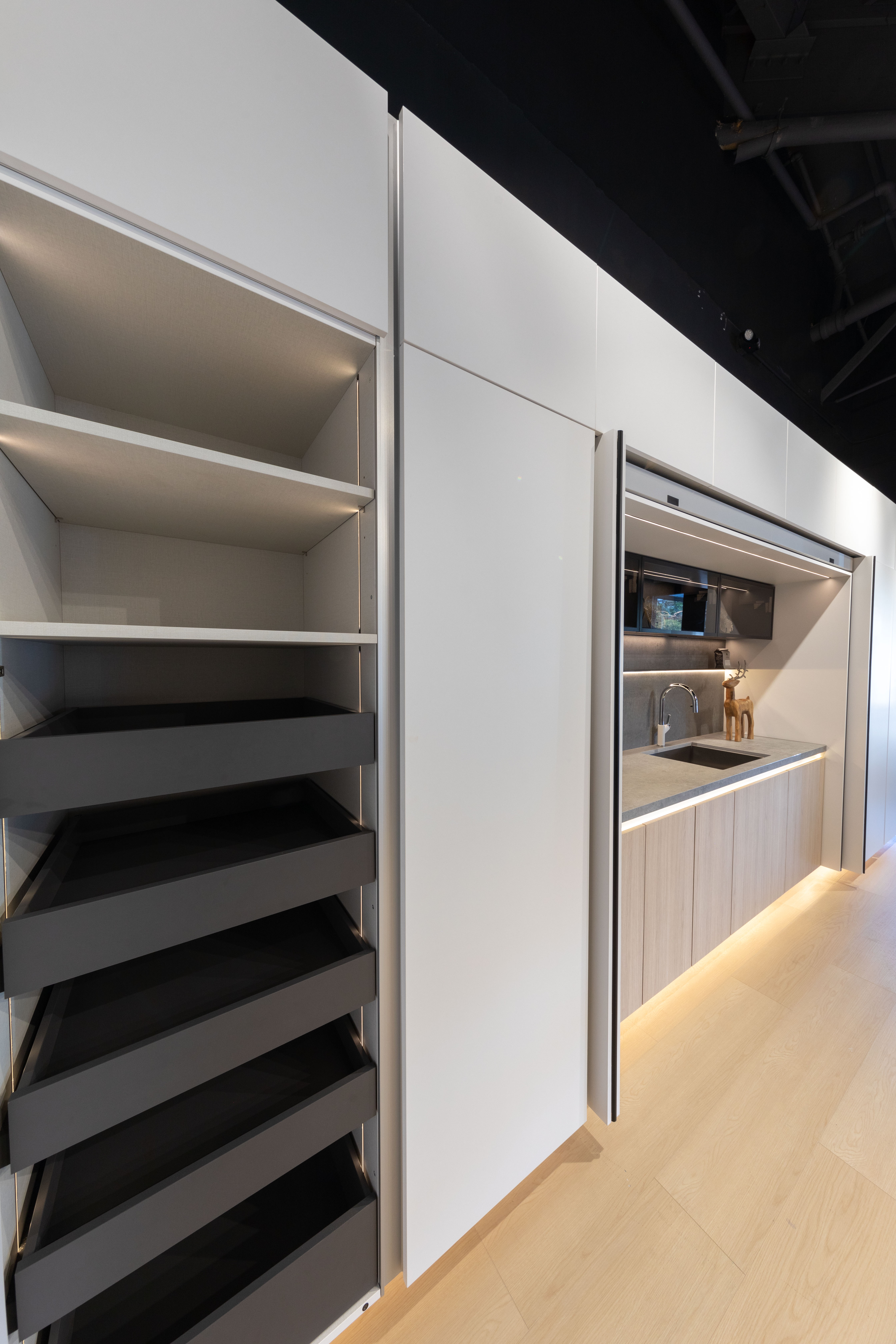
With a perfect fit ensured, it’s time to make informed decisions that will impact the overall success of your project.
Benefits of Design Consultation
A design consultation can be invaluable in bringing your vision to life. During a consultation, experts can provide insights into the latest trends and materials. They can also help you avoid common pitfalls. Design consultation offers the opportunity to fine-tune your plans with professional guidance. Most people think they can plan a kitchen with just a catalog, but consulting a pro can save you time and money. You’ll gain access to ideas you might not have considered, ensuring a design that’s both beautiful and functional.
Understanding Transparent Pricing
Transparent pricing is about knowing exactly what you’re paying for, with no hidden fees. When engaging with a cabinet maker, it’s crucial to understand the full cost upfront. Transparent pricing ensures you don’t get any surprises when the bill arrives. This is especially important in custom projects, where costs can quickly add up. Clear communication about pricing helps you plan your budget effectively and avoid unexpected expenses. You should feel confident knowing the price reflects the quality and craftsmanship you’re receiving.
Local Manufacturing Advantages
Choosing locally manufactured cabinets brings numerous benefits. By supporting local businesses, you contribute to the community and reduce the environmental impact of lengthy shipping processes. Local manufacturing often means faster turnaround times and easier communication with the manufacturer. You’re also likely to get better quality control since the production process happens closer to home. This can lead to a more personalized service and a final product that meets your exact needs. Plus, you’ll have the assurance that your cabinets are crafted with care and precision.
In summary, ensuring your cabinet system is truly designed for your layout involves careful planning and attention to detail. By focusing on custom features, precise installation, and informed decisions, you can achieve a kitchen that’s both beautiful and functional. Approach your project with this mindset, and you’ll be well on your way to a successful remodel.