Most homeowners trust the showroom photo without a second thought—and often regret it later. The truth is, custom cabinetry hides details that determine durability, function, and value. Our custom cabinetry checklist lays out exactly what to verify before buying cabinets, so you avoid surprises and choose with confidence. Ready to see why material specs, hardware, and lead times matter? Let’s start with the essentials you can’t afford to miss.
Essential Cabinet Verification Steps
When considering new cabinetry, knowing what to check is key to making an informed decision. This guide will walk you through essential verification steps to ensure your cabinets meet your expectations and needs.
Material Verification: CARB2, FSC
Start with materials. You want cabinets that last and are eco-friendly. Look for CARB2-compliant materials. This standard ensures low formaldehyde emissions, making your home safer. Also, check for FSC certification. It means the wood is responsibly sourced, benefiting the environment. Always ask for proof of these certifications when reviewing cabinet options. Trustworthy manufacturers will readily provide this information, ensuring transparency and peace of mind.
Checking Hardware: European Hinges
Hardware plays a vital role in cabinet functionality. European hinges are renowned for their smooth operation and durability. These hinges are often adjustable, allowing for perfect alignment of cabinet doors. Soft-close features are another benefit, preventing doors from slamming shut. When examining cabinets, test the hinges to ensure they operate smoothly. This simple check can save you from future headaches with misaligned or noisy cabinet doors.
Lead Times and Delivery Guarantees
Knowing when your cabinets will arrive is crucial. Custom cabinets typically have lead times of 6-8 weeks. Ask about delivery guarantees to avoid delays. Reliable companies will provide clear timelines and notify you of any changes. Ensure that these details are in writing. This transparency helps you plan your renovation with confidence, knowing when to expect your new cabinets to arrive.
Construction and Durability Insights
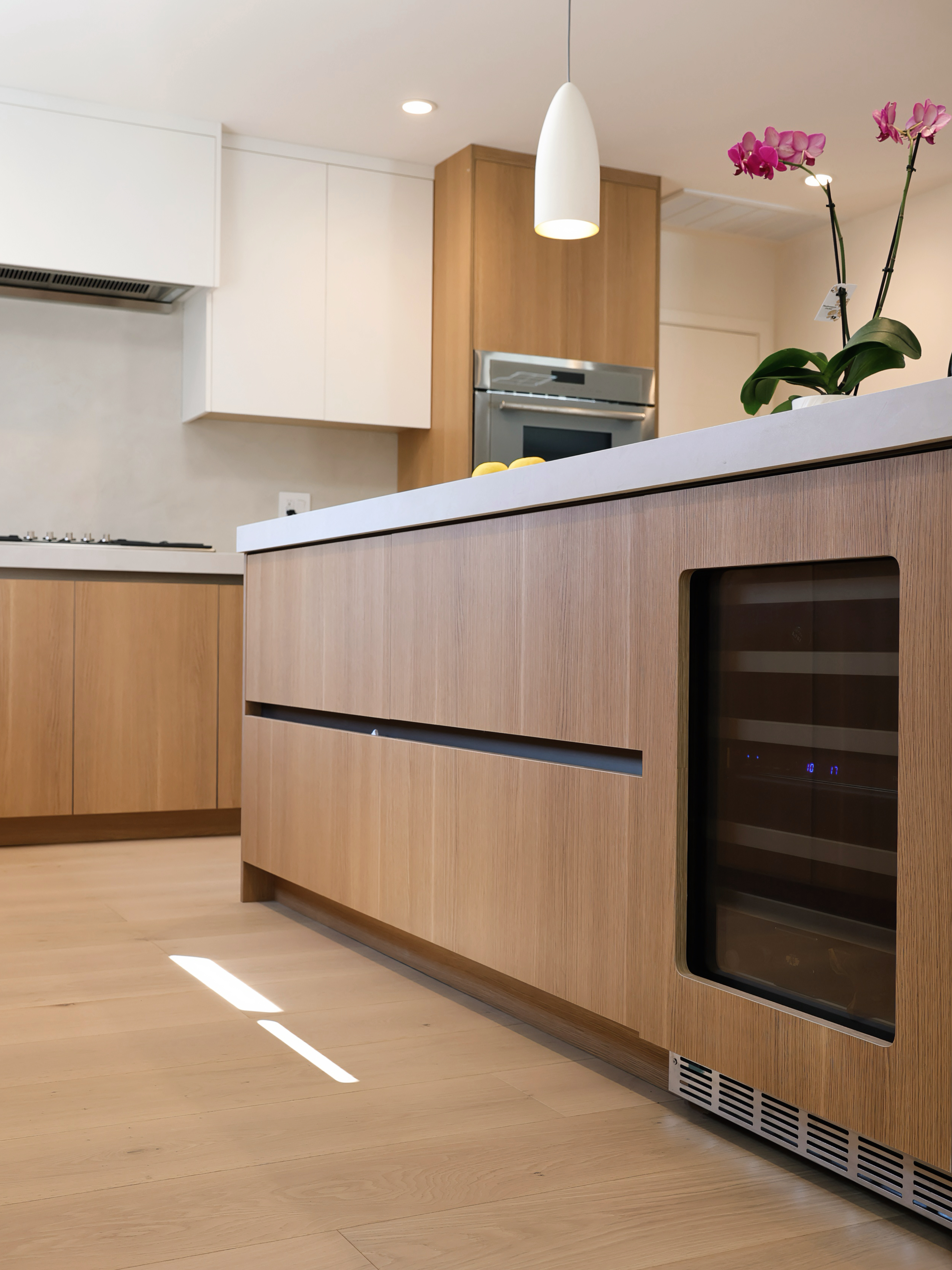
Understanding how cabinets are constructed will help you choose durable options. Materials and finishes play a significant role in longevity and appearance.
Plywood vs Particleboard: What to Know
The choice between plywood and particleboard affects durability. Plywood is known for its strength and resistance to moisture, making it a preferred choice for high-use areas. In contrast, particleboard is more affordable but less durable, especially in humid conditions. Consider where you will install the cabinets and choose materials accordingly. Plywood may cost more, but its longevity can offer better value over time.
Finish Durability and Testing Methods
A cabinet’s finish determines both its look and its resistance to wear. Test the durability of finishes by examining samples. Look for finishes that resist scratches and stains. Water-based finishes, while eco-friendly, may not be as durable as solvent-based ones. Ask about the testing methods used. Reliable manufacturers will have standards like the KCMA test, which ensures finishes can withstand daily wear and tear.
Warranty Coverage: What to Expect
Warranties provide peace of mind. Look for cabinets that offer comprehensive coverage. A lifetime warranty is ideal, as it reflects the manufacturer’s confidence in their product. Also, check the coverage details. Some warranties may only cover specific parts or types of damage. Ensure you understand what’s included to avoid surprises later. A strong warranty is a testament to the quality and durability of the cabinets.
Consultation and Pricing Clarity
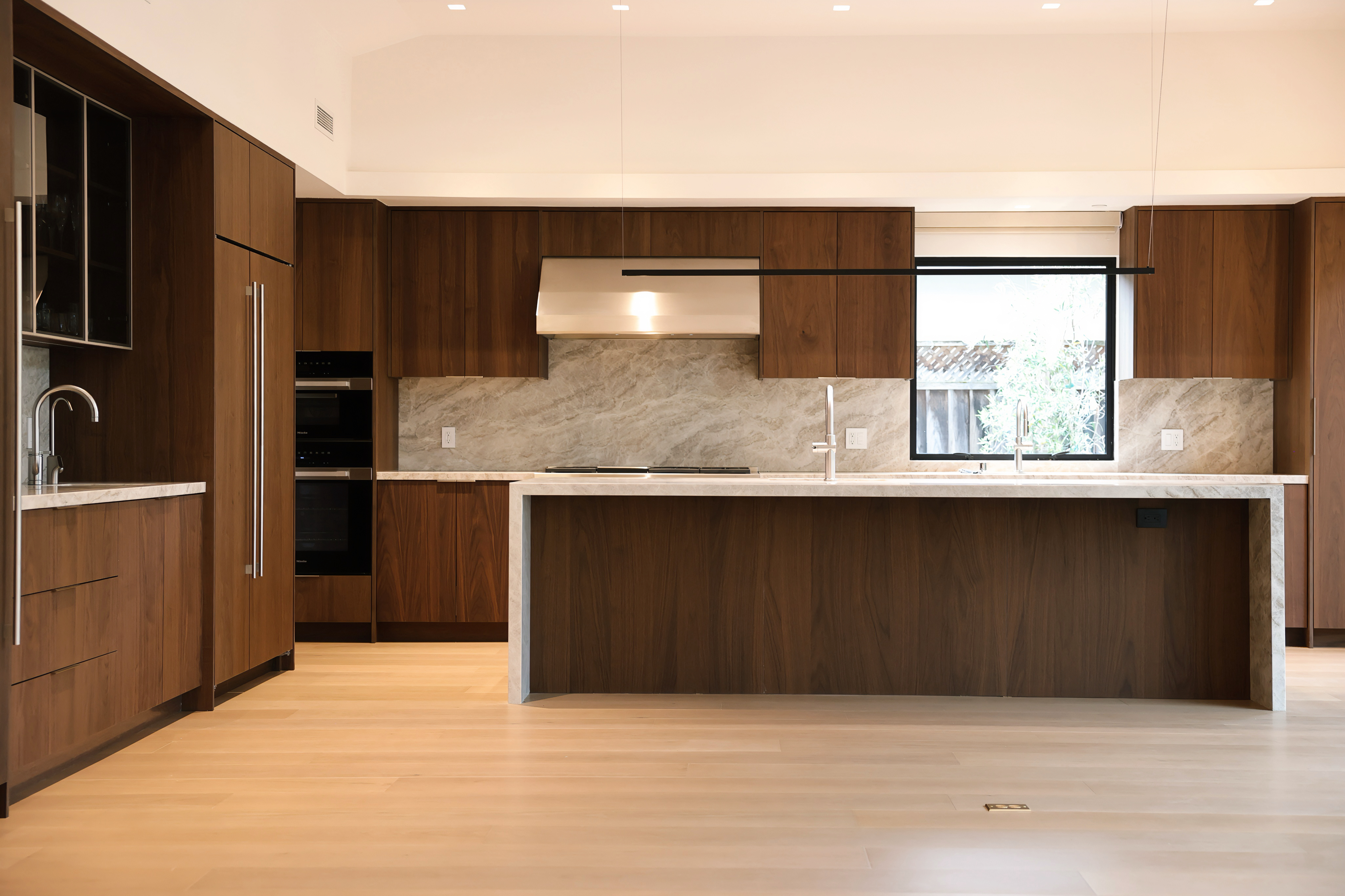
Clear communication and pricing are crucial for a smooth purchasing process. Understanding what you’re paying for can prevent unexpected costs.
Spec Sheet Verification Importance
A spec sheet is your roadmap to understanding cabinet details. It should outline dimensions, materials, and features. Verify the spec sheet against the actual product to ensure accuracy. Discrepancies can lead to installation issues. This step is essential to ensure you get what you expect, avoiding costly fixes down the line.
Transparent Pricing: No Hidden Fees
Pricing should be straightforward with no hidden costs. Look for all-in pricing that covers everything from materials to installation. This transparency ensures you know exactly what you’re paying for, preventing budget overruns. Reputable companies will provide detailed quotes, allowing you to make informed decisions without worrying about unexpected expenses.
Scheduling a Showroom Consultation
A showroom visit allows you to see and feel the cabinets before buying. It’s an opportunity to ask questions and verify details in person. Schedule a consultation to discuss your needs with experts. This hands-on experience can provide clarity and confidence in your choices. Showrooms often showcase a variety of styles, helping you visualize how different options might look in your home.
Frequently Asked Questions
What is CARB2 compliance, and why does it matter?
CARB2 compliance ensures that cabinet materials emit low levels of formaldehyde, creating a safer indoor environment. It’s crucial for maintaining air quality in your home.
Why are European hinges recommended for cabinets?
European hinges offer durability and smooth operation, with features like adjustability and soft-close. They enhance both the functionality and longevity of your cabinets.
How can I ensure I’m getting transparent pricing for custom cabinets?
Request detailed quotes that include all costs, from materials to installation. Look for companies that offer all-in pricing, ensuring no hidden fees or surprises.