Most “sustainable cabinetry” claims stop at labels and buzzwords. But how do you know if those eco-friendly cabinets truly meet rigorous standards like FSC-certified wood or CARB2 compliance? At Ronbow, we show you the facts—material cutaways, lab results, and pricing transparency. Step into our Bay Area showroom and see sustainable cabinetry proof that goes beyond marketing fluff.
Understanding Sustainable Cabinetry
When it comes to sustainable cabinetry, the real proof lies beyond just labels. Let’s dig into what makes cabinets genuinely eco-friendly and why material transparency is crucial.
Key Features of Eco-Friendly Cabinets
Eco-friendly cabinets stand out through several specific features. FSC-certified wood cabinets are one hallmark, ensuring wood comes from responsibly managed forests. Additionally, CARB2 compliant cabinetry guarantees low formaldehyde emissions, promoting healthier indoor air quality. These features are not just labels; they are backed by strict standards and testing.
For a cabinet to be considered truly sustainable, it should also employ low-VOC cabinet finishes. These finishes reduce the release of volatile organic compounds, which can contribute to indoor pollution. Moreover, using NAUF cabinets—those manufactured without added urea-formaldehyde—further exemplifies commitment to healthier home environments. When you choose cabinets with these features, you’re not just making an eco-friendly choice; you’re safeguarding your living space.
Importance of Cabinet Material Transparency
Understanding what goes into your cabinetry is vital. Material transparency matters because it allows you to make informed decisions about your home’s health and sustainability. With clear information, you can identify whether cabinets are constructed from responsibly sourced materials, like those sourced from Spain, Italy, Germany, and the USA.
Transparency also extends to the manufacturing process. Knowing that your cabinets are made with precision and care in California can provide peace of mind. This local production not only supports regional economies but often results in faster delivery times. When transparency is a priority, you gain confidence in your purchase, assured that there are no hidden surprises in the materials or methods used.
Verifying Sustainability Claims
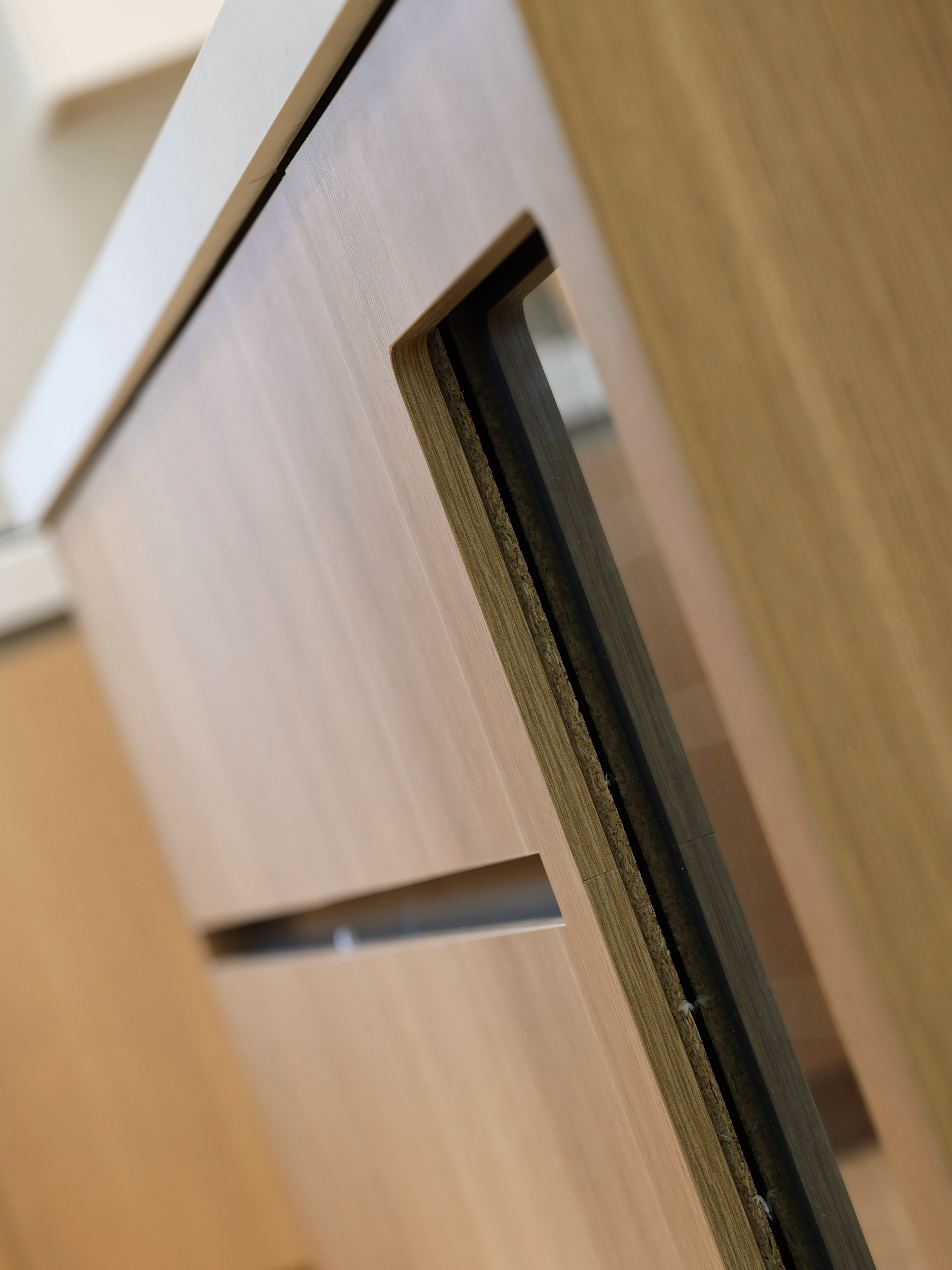
Claiming sustainability is one thing, proving it is another. Let’s explore how you can verify these claims with solid evidence.
Evidence Beyond the Label
Labels can be misleading, and buzzwords can be hollow. Real verification comes from tangible evidence. Look for cabinet sustainability proof through third-party certifications and lifecycle analysis reports. These documents reveal how a product impacts the environment from start to finish.
For instance, an EPD for cabinetry (Environmental Product Declaration) can provide comprehensive data on the environmental impact of materials and manufacturing processes. When you have access to this kind of evidence, you’re not just taking a company’s word for it; you’re seeing the hard facts. This level of transparency empowers you to make choices that align with your values and sustainability goals.
Inspecting FSC-Certified Wood Cabinets
FSC-certified wood cabinets are a benchmark for sustainable woodworking. To ensure these claims hold water, inspect the certification details closely. The Forest Stewardship Council sets stringent standards for responsible forestry, so an FSC label signifies that the wood has been sourced in an environmentally conscious way.
When examining these cabinets, check the documentation that accompanies them. This might include certificates or reports that verify the sourcing and processing of the wood. By doing so, you’re not only confirming the sustainability of the materials but also supporting practices that conserve our planet’s forests.
In-Showroom Sustainability Proof
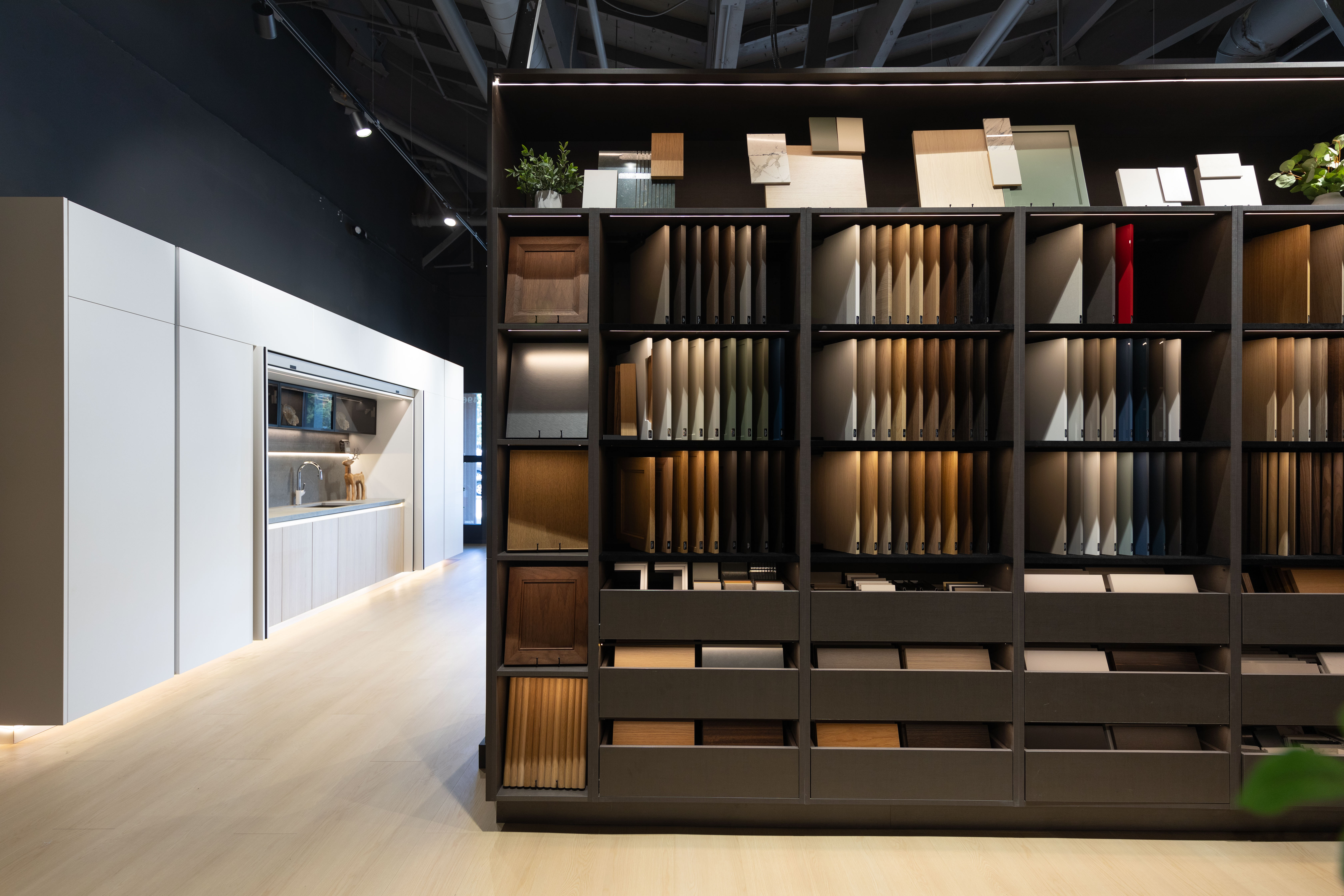
Visiting a showroom offers more than just a visual experience; it’s a chance to see sustainability in action. Here’s how you can explore our eco-friendly features firsthand.
Experience Waterborne Finish Cabinets
When you step into our showroom, you’ll see cabinets finished with waterborne finishes. These finishes are a significant advancement in reducing the environmental footprint of cabinetry. They minimize volatile organic compound emissions, making them a safer choice for your home environment.
Waterborne finishes also offer durability. They protect the cabinet surfaces from wear and tear, ensuring long-lasting beauty. By experiencing these finishes in person, you can feel the difference and understand how they contribute to a healthier home. It’s an opportunity to see, touch, and appreciate the sustainable choices that affect your everyday living.
Review Cabinet Lifecycle Analysis Reports
Lifecycle analysis reports provide a detailed view of the environmental impact associated with cabinetry. These reports offer insights into the materials used, energy consumption, and waste generated throughout a cabinet’s life. By reviewing these in our showroom, you gain a comprehensive understanding of the true sustainability of our products.
Having access to this data allows you to compare options and make decisions based on real-world impacts. It’s not just about choosing a cabinet that looks good; it’s about selecting one that aligns with your commitment to sustainability. When you have all the facts, you can confidently choose cabinets that support a healthier planet.
Frequently Asked Questions
What are the benefits of using FSC-certified wood cabinets?
FSC-certified wood ensures that the wood used is sourced from responsibly managed forests. This means better forest conservation, reduced environmental impact, and support for sustainable forestry practices. It also guarantees that the wood is not illegally harvested, promoting ethical sourcing.
How can I verify the sustainability claims of cabinetry?
To verify sustainability claims, look for third-party certifications like FSC and CARB2. Review lifecycle analysis reports and Environmental Product Declarations (EPDs) for detailed insights into the environmental impact of the cabinets. Visiting a showroom to see these documents firsthand can also help.
Why is material transparency important in cabinetry?
Material transparency is crucial because it provides clear information about what goes into your cabinets. It helps you understand the environmental impact, health implications, and sustainability of the materials and manufacturing processes, allowing for informed and responsible purchasing decisions.
What makes waterborne finishes environmentally friendly?
Waterborne finishes are environmentally friendly because they emit significantly fewer volatile organic compounds (VOCs) compared to traditional finishes. This reduces indoor air pollution and makes them a healthier choice for your home. They also offer durability and protection for cabinet surfaces.
Can visiting a showroom help me understand cabinet sustainability better?
Yes, visiting a showroom allows you to experience the materials and finishes firsthand. You can review lifecycle analysis reports and certifications, providing a deeper understanding of the cabinets’ sustainability. This hands-on experience can help you make more informed purchasing decisions.