Choosing custom cabinets shouldn’t feel like a gamble. Too often, homeowners face hidden costs, delayed deliveries, or finishes that don’t match the sample. With California made cabinets crafted through precise engineering and transparent specs, you can avoid those pitfalls. This guide breaks down what to check—from materials and tolerances to lead times—so your kitchen or bathroom remodel stays on track with zero surprises.
Choosing Custom Cabinets
Key Cabinet Material Options
When selecting custom cabinets, the material is your first key decision. Solid wood and plywood are popular choices. Solid wood offers a luxurious, classic look. It’s durable but can be pricey and may warp with humidity changes. Plywood, on the other hand, is a stable and cost-effective alternative. It consists of layers of wood veneer, making it strong and less susceptible to moisture damage.
Consider your kitchen’s environment when choosing materials. If you’re in a humid area, plywood might be a safer bet. It offers stability without compromising on appearance. For those who desire the elegance of solid wood, ensure your home has good humidity control. This will protect your investment in the long run. Also, think about how your choice aligns with your lifestyle and budget. Each material has its pros and cons, and knowing them helps you make an informed decision.
Understanding Cabinet Construction Methods
The construction method of your cabinets affects durability and appearance. Two common types are framed and frameless. Framed cabinets have a box frame attached to the front, offering sturdiness and a traditional look. They’re suitable for classic or country-style kitchens. Frameless cabinets, often called European-style, provide a sleek, modern appearance. They lack a front frame, which maximizes storage space and suits contemporary designs.
Your choice between framed and frameless should complement your home’s aesthetic. If you prefer modern minimalism, frameless might be the way to go. For a more traditional look, framed cabinets offer a timeless appeal. Also, consider the ease of access and storage needs. Frameless cabinets, with their full access design, can be an advantage in smaller kitchens where every inch counts.
Cabinet Tolerances and Reveals Explained
Understanding tolerances and reveals is crucial in cabinet selection. Tolerances refer to the permissible variations in the size and fit of cabinet components. Lower tolerances mean tighter fits and more precise construction. Reveals are the gaps between cabinet doors and frames. They impact the visual harmony of your cabinetry.
When deciding on tolerances and reveals, think about the look you want. Do you prefer tight, clean lines or a more relaxed fit? Precise reveals create a sleek, seamless appearance, ideal for modern designs. In contrast, larger reveals might suit rustic or traditional styles better. Always discuss these aspects with your cabinet maker to ensure your vision is realized.
California Made Cabinets
Benefits of Local Cabinet Manufacturers
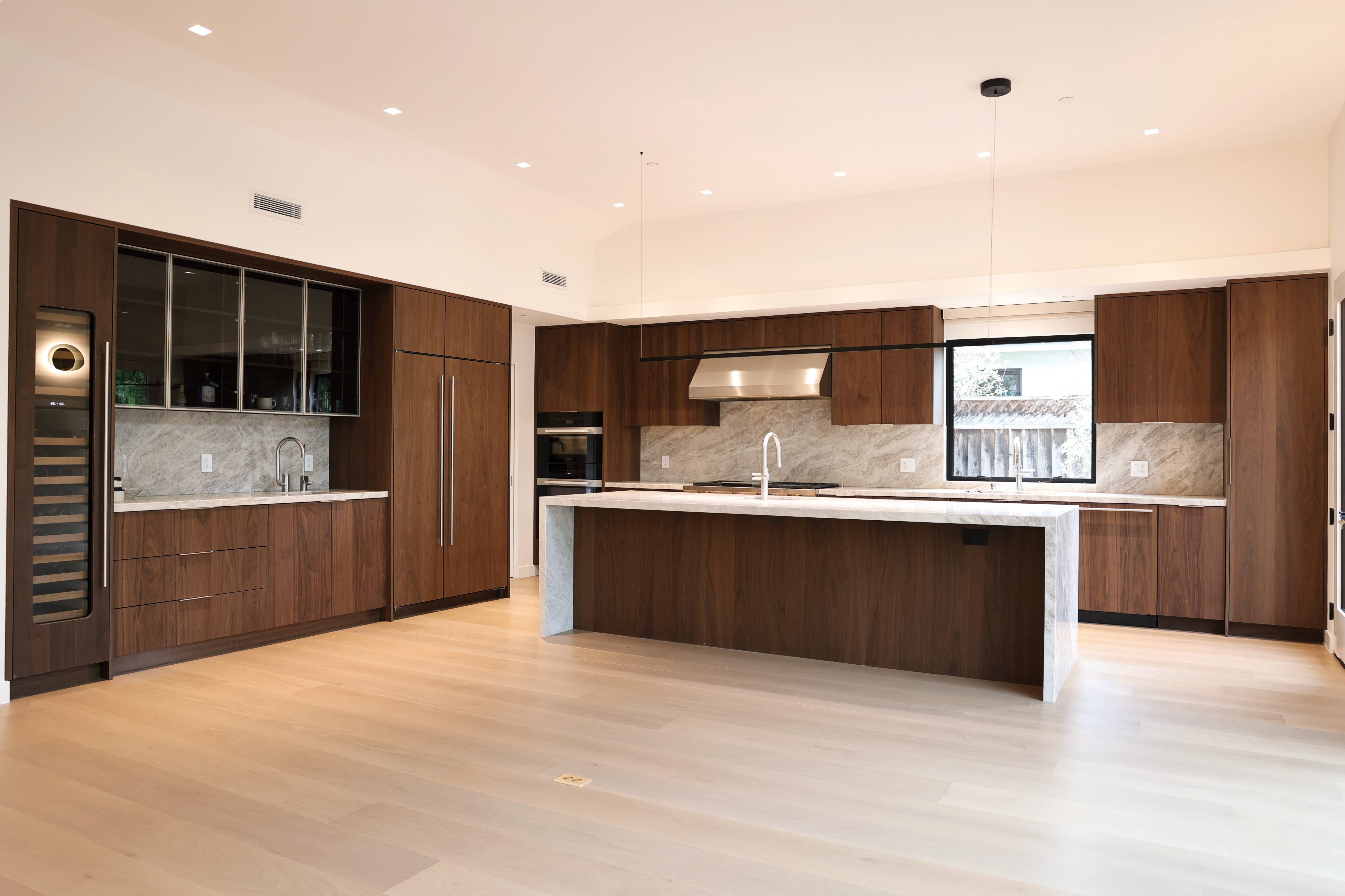
Choosing local cabinet manufacturers in California offers significant benefits. First, you get quicker lead times. Local production means your cabinets are crafted and delivered faster, typically within 6–8 weeks. Second, it supports the local economy and reduces carbon footprint due to shorter transportation distances.
Local manufacturers also provide better quality control. You can visit showrooms, like those in the Bay Area, to see and feel the materials firsthand. This ensures what you see is what you get, minimizing surprises. Moreover, local makers often use sustainable materials, reflecting values that matter to environmentally conscious consumers.
Frameless European Cabinets: A Closer Look
Frameless European cabinets are gaining popularity for their sleek design and efficient use of space. They offer a modern aesthetic with clean lines and full access to the cabinet interior. Without the front frame, these cabinets allow more room for storage and wider drawer spaces.
Besides aesthetics, frameless cabinets are highly functional. Their structure provides more flexibility in design, making them ideal for custom solutions. If you’re looking to maximize space in a small kitchen, frameless cabinets are an excellent choice. They offer the perfect blend of style and practicality, aligning with contemporary design trends.
Low-VOC Finishes and CARB Compliance
When choosing cabinets, consider the environmental impact of finishes. Low-VOC finishes are a healthier choice, reducing harmful emissions in your home. They contribute to better indoor air quality, which is vital for families and those with allergies.
CARB compliance is another factor to look for. It ensures that the cabinetry meets stringent environmental standards. Choosing CARB-compliant cabinets means you’re supporting practices that reduce air pollution and protect the environment. This decision not only benefits your home but also contributes to broader environmental efforts.
Navigating the Design Process
Transparent Cabinet Pricing
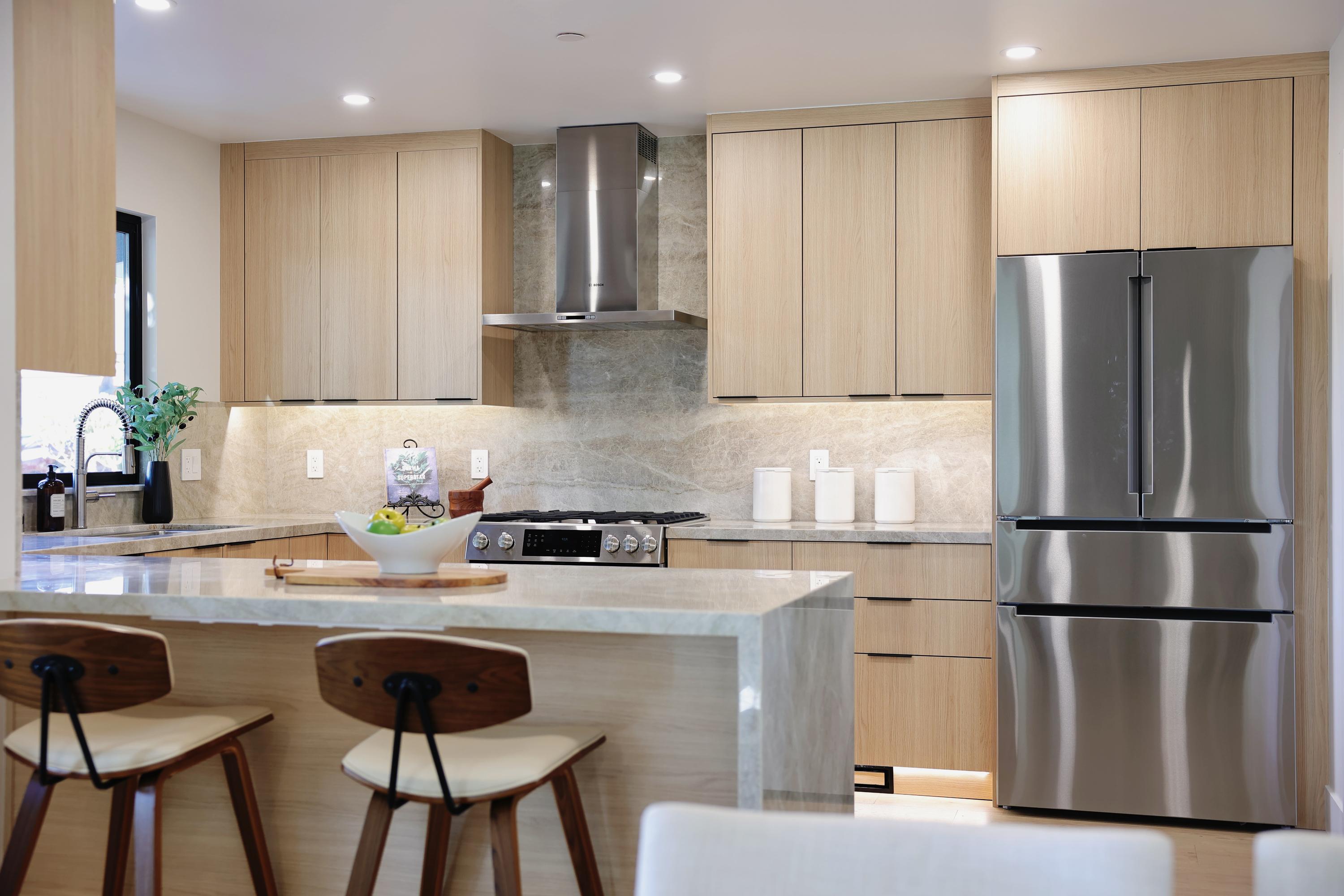
Transparent pricing is essential when selecting custom cabinets. It prevents unexpected costs down the line. Look for manufacturers who offer clear, upfront pricing. This means no hidden fees or surprise charges once the project starts. Knowing the full cost allows you to budget effectively and make informed decisions.
Having a detailed cabinet spec sheet is part of this transparency. It should outline every aspect of your purchase, from materials to finishes. By reviewing this sheet, you ensure every detail matches your expectations. It’s a crucial step in preventing budget overruns and dissatisfaction.
Understanding Cabinet Lead Times in California
Cabinet lead times can vary, but in California, they typically range from 6 to 8 weeks after final design signoff. This timeline allows for precise customization and quality assurance. Knowing this helps you plan your remodel efficiently, avoiding delays.
It’s important to confirm lead times with your manufacturer early in the process. This ensures your schedule aligns with production capabilities. Being proactive in understanding timelines sets realistic expectations, reducing stress and potential disruptions to your project.
Reality Check: Bay Area Cabinet Showroom Visit
Visiting a Bay Area cabinet showroom provides a tangible understanding of your choices. Showrooms allow you to see, touch, and compare different materials and finishes. This firsthand experience is invaluable in making a decision that you’ll be satisfied with.
During your visit, pay attention to the quality of craftsmanship and the range of options available. A showroom visit also offers the opportunity to speak directly with experts. They can provide insights and answer any lingering questions, ensuring you feel confident in your choice.
Frequently Asked Questions
What are the best materials for custom cabinets?
The best materials depend on your needs and budget. Solid wood is luxurious and durable but can be costly. Plywood offers stability and moisture resistance at a more affordable price. Both are excellent choices if matched to the right environment.
How long does it take to get custom cabinets?
In California, the typical lead time for custom cabinets is 6 to 8 weeks after signing off on the final design. This timeline can vary based on material availability and specific design requirements.
What should I look for in a cabinet showroom visit?
When visiting a showroom, focus on the craftsmanship and variety of materials. Evaluate the finish quality and the sturdiness of the cabinets. Take the opportunity to ask questions and seek advice from showroom staff to make an informed decision.
Are frameless cabinets better than framed ones?
Frameless cabinets offer a modern look and maximize storage space, while framed cabinets provide a traditional aesthetic with enhanced stability. The choice depends on your style preference and functional needs.
Why is CARB compliance important for cabinets?
CARB compliance ensures that your cabinets meet strict environmental standards, reducing emissions and contributing to better indoor air quality. It’s a crucial factor for those concerned about health and environmental impact.