Forget everything you think you know about the best wood for kitchen cabinets. Choosing the right wood isn’t just about looks—it’s about real-world durability, stability, and sustainability. We break down key specs like hardness and wood movement so you know exactly what fits your space and lifestyle. Ready to see how quarter-sawn white oak compares to walnut or bamboo? Let’s get precise.
Comparing Cabinet Wood Species
Choosing the right wood for your cabinets involves more than just aesthetics. Let’s explore the specifics of different wood species to help you make an informed decision.
Hardness and Stability Factors
When considering cabinet wood, hardness is crucial for durability. Janka hardness ratings give you a sense of how well different woods can withstand wear and tear. For instance, maple, with a Janka rating of 1,450, is a solid choice for durability. Meanwhile, walnut, at 1,010, offers a softer option if you prefer a less dense wood. Stability matters too: quartersawn white oak is known for superior dimensional stability, minimizing movement in response to humidity changes. If your kitchen is prone to moisture fluctuations, this stability can be invaluable for maintaining your cabinets’ integrity.
Finish Behavior and Appearance
The finish of your cabinets impacts both look and longevity. Maple cabinets often provide a smooth surface that takes stain evenly, resulting in a consistent finish. Walnut, with its rich, dark hues, can add warmth and elegance to your kitchen. Cherry wood darkens over time, developing a distinctive patina that many find appealing. Bamboo, known for its unique grain pattern, offers a contemporary look. The finish you choose will affect how your cabinets age and their overall vibe, so consider how each wood type aligns with your aesthetic goals.
Sustainability and Cost Implications
Sustainability is becoming a priority for many homeowners. Bamboo cabinets are highly regarded for their eco-friendliness, as bamboo grows rapidly and regenerates quickly. On the other hand, FSC-certified woods like white oak and cherry ensure responsible forest management. Cost-wise, wood prices vary: cherry is usually on the higher end, while woods like oak and maple offer more budget-friendly options. Balancing cost with environmental impact and personal preferences ensures a choice you can feel good about.
Real-World Wood Performance
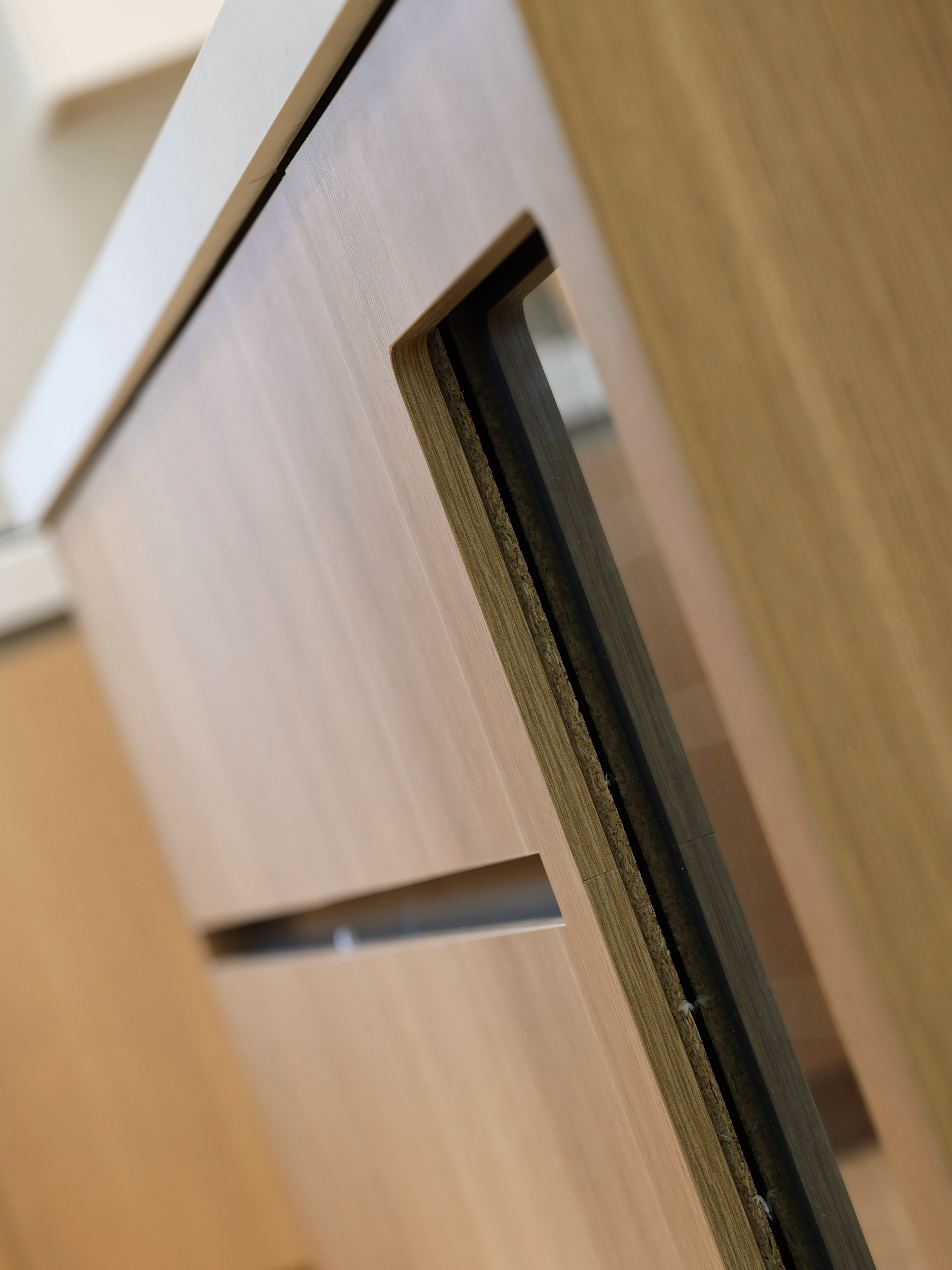
Understanding how wood types perform in real life helps set realistic expectations for your kitchen cabinets.
Solid Wood vs. Veneer Cabinets
Solid wood cabinets boast long-lasting durability but can be prone to warping if not properly maintained. Veneer cabinets, while often less expensive, provide an outer layer of real wood over a substrate, offering a similar appearance to solid wood with increased stability. If you’re concerned about real-world application, veneers offer a practical solution without sacrificing design.
Wood Movement Stability in Kitchens
Wood movement is a natural process. In kitchens, this is most evident with humidity changes. White oak, especially quarter-sawn, is less susceptible to movement, maintaining its form over time. In contrast, solid cherry wood may expand and contract more noticeably. Understanding these tendencies helps in selecting a material that aligns with your kitchen environment.
Cabinet Door Stability
Stable cabinet doors are essential for maintaining a cohesive kitchen look. Solid wood doors can warp if not adequately dried and sealed, while engineered wood options provide consistent stability. For instance, using a solid wood frame with MDF panels can offer an optimal balance of appearance and durability, ensuring your doors remain straight and functional.
In-Person Verification and Consultation
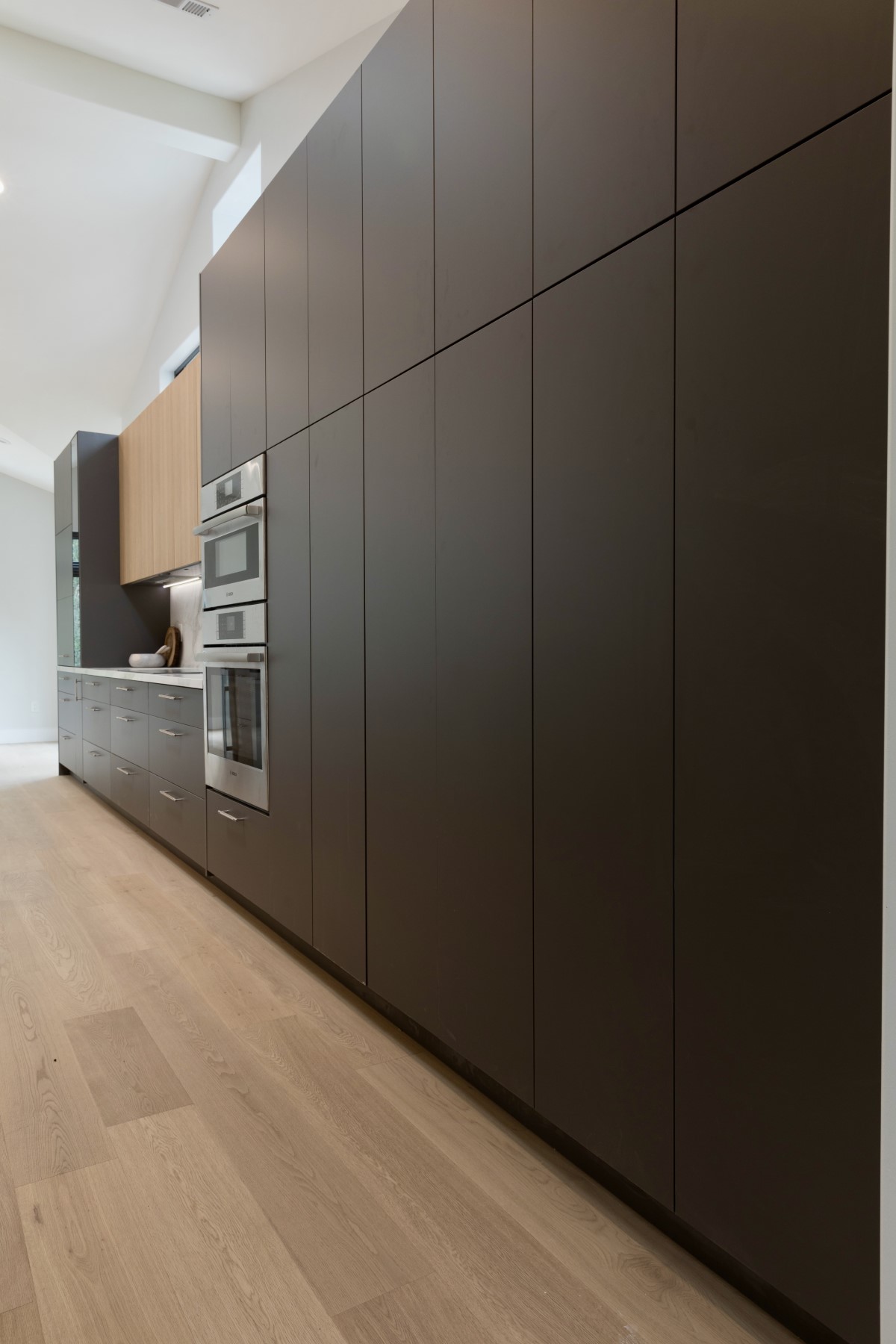
Seeing and feeling the wood firsthand can significantly impact your decision-making process.
Visit Our California Showroom
Our California showroom allows you to experience the look and feel of various wood options. Seeing the grain, color, and finish in person provides a clearer understanding of how each type will fit into your design vision.
Schedule a Wood Selection Consult
Book a consultation with our experts, who will guide you through the nuances of each wood type. Understanding the specific benefits and trade-offs firsthand can be invaluable in aligning your choices with your needs and budget.
Review Public Spec Sheets
Access detailed spec sheets that outline the technical details of each wood type. From Janka hardness to finish compatibility, having these specs on hand ensures you make an informed decision backed by data.
Frequently Asked Questions
What is the hardest wood for kitchen cabinets?
Maple is among the hardest woods used for kitchen cabinets, with a Janka hardness rating of 1,450, making it highly durable.
How does white oak compare to walnut for cabinets?
White oak is more stable and suited for humid environments, while walnut offers rich color and elegance but is softer and may require more careful maintenance.
Are bamboo cabinets sustainable?
Yes, bamboo grows quickly and regenerates easily, making it one of the most sustainable materials for cabinetry.
What are the cost considerations for different cabinet woods?
Cherry wood is often more expensive due to its quality and appearance, whereas oak and maple can offer more budget-friendly options while maintaining durability.
Why choose veneer over solid wood for cabinets?
Veneer provides the look of solid wood with increased stability and can be more resistant to warping, offering a cost-effective solution without compromising on appearance.