Most cabinet comparisons stop at looks, leaving you guessing about what’s inside. You deserve more than guesswork when choosing custom cabinet materials for your home. This guide breaks down core, face, finish, hardware, and environmental safety with clear specs you can verify in person. Read on to gain a checklist that turns uncertainty into confidence before your next project.
Key Cabinet Material Comparisons
Choosing the right materials for your cabinets goes beyond aesthetics. It’s about understanding what’s behind those finishes and how it impacts durability and performance.
Core Material Options
Core materials lay the foundation for your cabinets’ strength and functionality. Common choices include plywood, MDF, and particle board. Plywood, known for its layered construction, offers moisture resistance and longevity. MDF provides a smooth surface ideal for painting, while particle board is budget-friendly but less robust. Consider how each material holds up in your environment, especially in moisture-prone areas like bathrooms.
Face Material Choices
The face material creates the visible style of your cabinets. Solid wood offers a classic, durable look. Veneers provide a similar appearance at a lower cost, though they can be less durable over time. Laminate offers modern designs with easy maintenance. Match the face material to your home’s needs for a blend of style and resilience.
Finish Types and Their Benefits
Finishes protect and beautify cabinet surfaces. Waterborne lacquers provide a smooth, eco-friendly finish. Conversion varnish offers a durable, chemical-resistant layer. Consider how each finish type interacts with your chosen materials, ensuring longevity and maintaining the look you desire.
Understanding Construction and Hardware
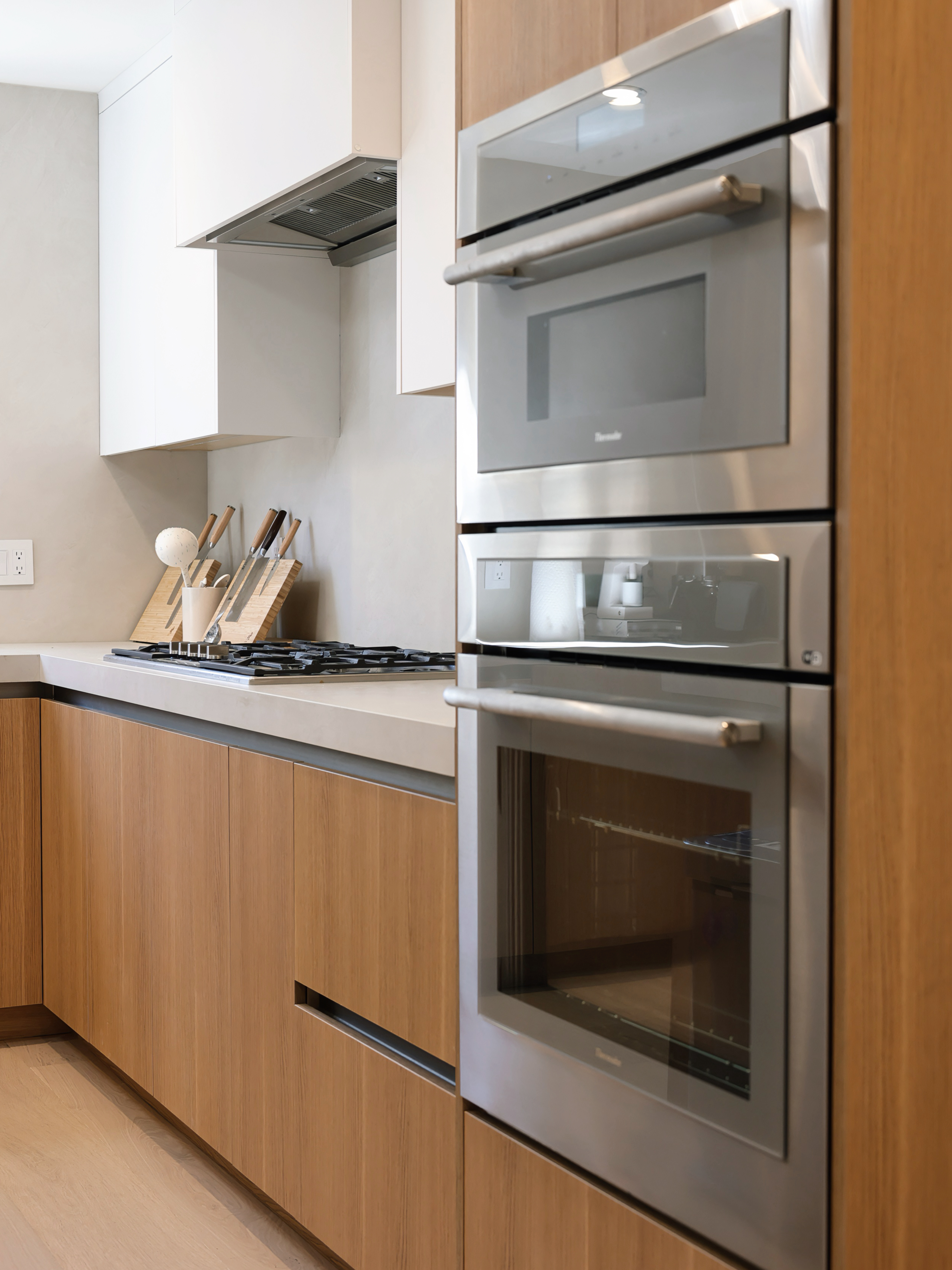
The construction and hardware of your cabinets are crucial for their performance. Quality craftsmanship ensures your investment lasts.
Cabinet Box Construction Explained
The way your cabinet boxes are built affects their stability. Frameless cabinets offer a sleek, modern look, while face-frame cabinets provide traditional sturdiness. Consider your kitchen’s style and needs, as each type impacts storage space and accessibility.
Exploring Hardware Quality
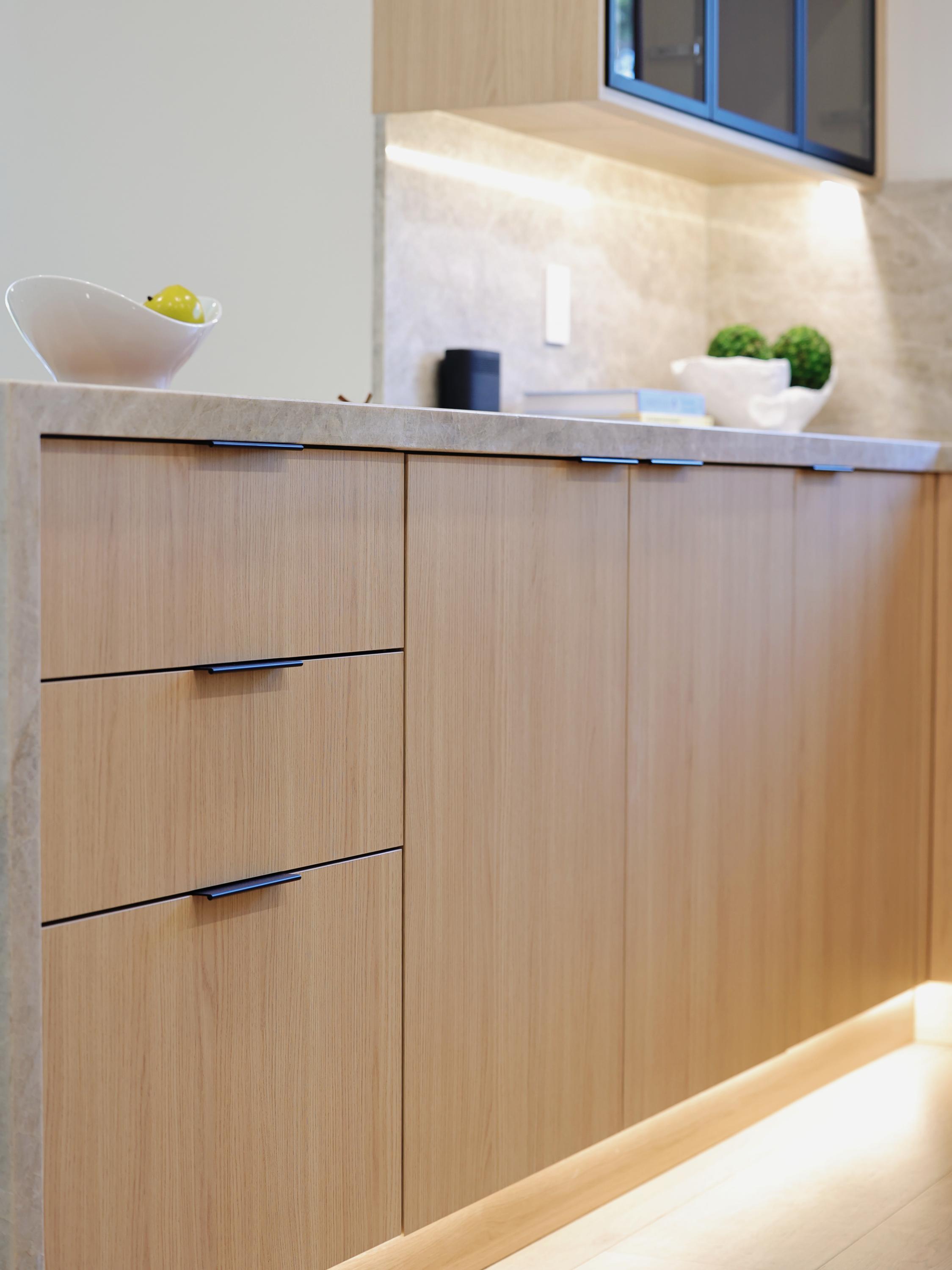
High-quality hardware makes a difference in daily use. Soft-close hinges, like those from Blum, prevent slamming and ensure smooth operation. Drawer box dovetail joinery provides strength and durability. Choose hardware that balances function with aesthetic appeal, ensuring your cabinets work as beautifully as they look.
Environmental and Safety Considerations
Cabinets should support a healthy home environment, aligning with safety standards and sustainable practices.
CARB2 and NAUF Standards
When choosing cabinets, consider compliance with CARB2 and NAUF standards. CARB2 reduces formaldehyde emissions, while NAUF ensures no added urea-formaldehyde. These standards contribute to a healthier indoor air quality, crucial for homes with children or those prone to allergies.
Sustainability and FSC Materials
Sustainability is increasingly important in home design. Look for cabinets made with FSC-certified materials, which ensure responsible forest management. Sustainable choices support environmental health and bring peace of mind, knowing your home improvements support the planet.
Frequently Asked Questions
What are the best materials for kitchen cabinets?
The best materials depend on your priorities. Plywood offers durability, MDF provides a smooth finish, and solid wood adds classic beauty. Consider your budget, style, and the environment where the cabinets will be used.
How do I choose the right cabinet finish?
Select a finish based on durability needs and style preferences. Waterborne lacquer is eco-friendly and smooth, while conversion varnish offers chemical resistance. Ensure the finish complements your chosen materials.
Why are CARB2 and NAUF standards important for cabinets?
CARB2 and NAUF standards ensure low formaldehyde emissions, contributing to healthier indoor air quality. They’re particularly important for homes with vulnerable family members or those aiming for eco-friendly living.
What is the difference between frameless and face-frame cabinets?
Frameless cabinets provide a modern look with more accessible storage, while face-frame cabinets offer traditional appeal and added stability. Choose based on style preference and functional needs.
How can I ensure my cabinets are environmentally sustainable?
Opt for FSC-certified materials, which promote responsible forest management. Choosing sustainable cabinets supports environmental health and ensures your home improvements are eco-friendly.