Most cabinetry projects hit unexpected snags before the first screw goes in. Missed measurements, unclear appliance clearances, or surprise material issues can derail timelines and budgets. With whole home cabinetry, solving these problems upfront isn’t optional—it’s essential. This post lays out the pre installation checklist cabinets need to pass, so your remodel flows smoothly from design to install.
Critical Pre-Installation Considerations
Every successful cabinet installation starts with solving key issues before the first piece is even delivered. Addressing these concerns early ensures your project remains on track.
Verify Cabinet Fit and Layout
Before installation, ensure each cabinet fits perfectly in its designated space. This involves reviewing your design plans and matching them with the actual room dimensions. Issues like uneven walls or unexpected obstructions can cause major setbacks. By confirming everything aligns with your layout, you prevent future headaches. Bring a tape measure and verify; accurate fit means smoother installation.
Ensure Appliance Integration Clearances
Appliances need space, and so do your cabinets. Double-checking appliance integration clearances prevents future functional issues. Each appliance should have enough room to operate without obstruction. Make sure doors open freely and vents have room to breathe. If you overlook these clearances, you might need costly adjustments later. Ensuring proper spacing now saves time and money.
Moisture and Ventilation Planning
Moisture can be a hidden enemy in cabinetry projects. Proper ventilation planning helps protect your cabinets from potential water damage. Identify areas prone to humidity and plan for ventilation solutions. This involves assessing kitchen or bathroom layouts for airflow. Adequate ventilation ensures your cabinetry remains in top shape for years, preventing mold and other moisture-related issues.
Essential Measurements and Specifications
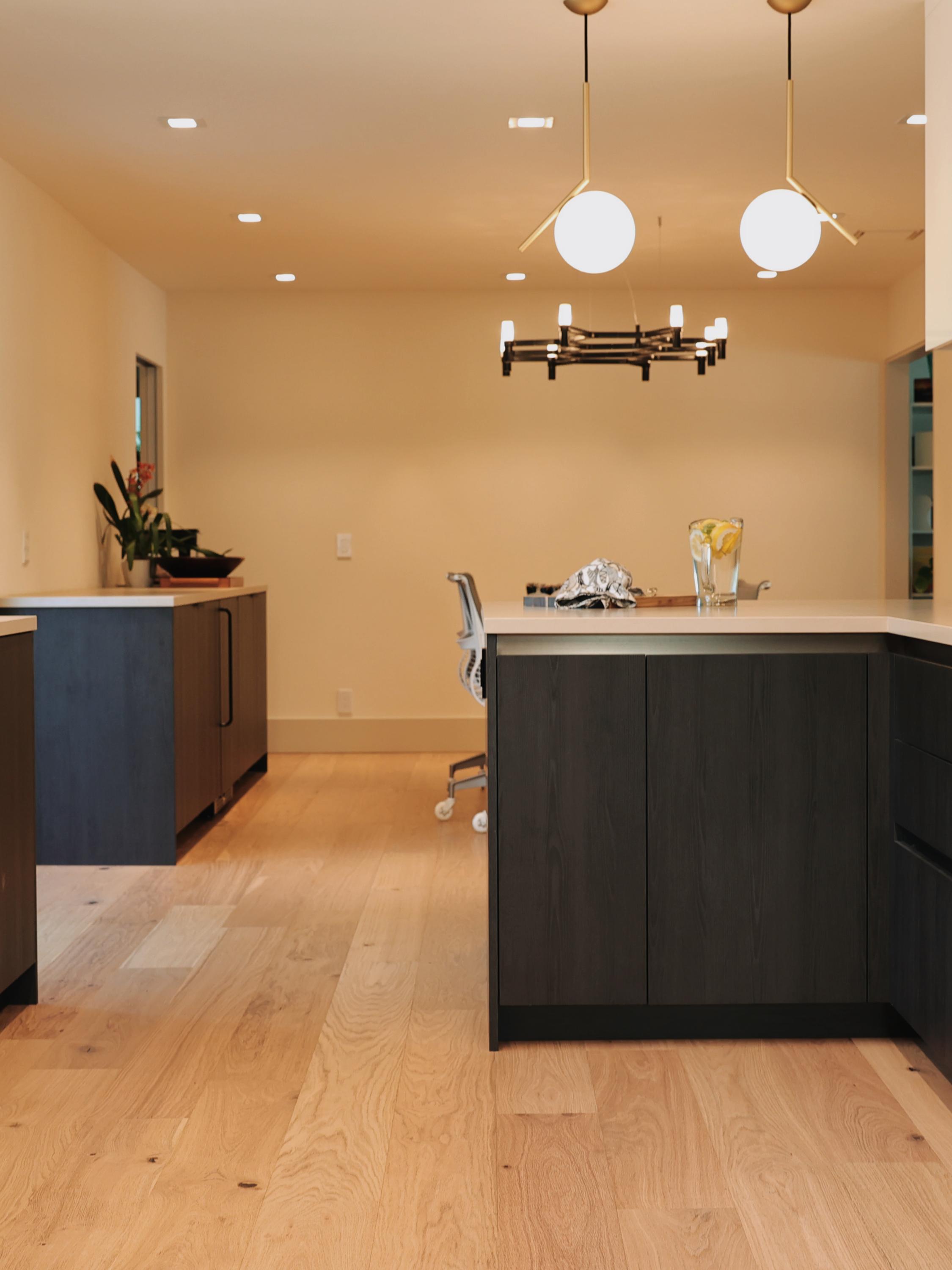
Once you’ve tackled the initial planning, focus shifts to precise measurements and specifications. This step is crucial for ensuring a flawless installation.
Precise Job Site Measurement Cabinets
Accurate job site measurements are the backbone of a successful installation. Measure twice, cut once is the mantra here. Verify the height, width, and depth of each cabinet space, ensuring no surprises during installation. This step eliminates the risk of cabinets not fitting properly, keeping your timeline on track.
Cabinet Tolerances and Reveals
Understanding cabinet tolerances and reveals is key to achieving a polished look. Tolerances dictate how much space cabinets need for functional operation, while reveals affect aesthetics. Ensure all measurements account for these factors to avoid gaps or misalignments. This attention to detail provides a seamless, professional finish.
Soft-Close Hardware Specs
Soft-close hardware enhances cabinet functionality and longevity. Confirm the specifications of your soft-close mechanisms to ensure compatibility with your cabinet design. This involves checking for weight limits and installation requirements. Proper integration of soft-close hardware means smoother operation and reduced wear over time.
Sustainable and Local Commitment
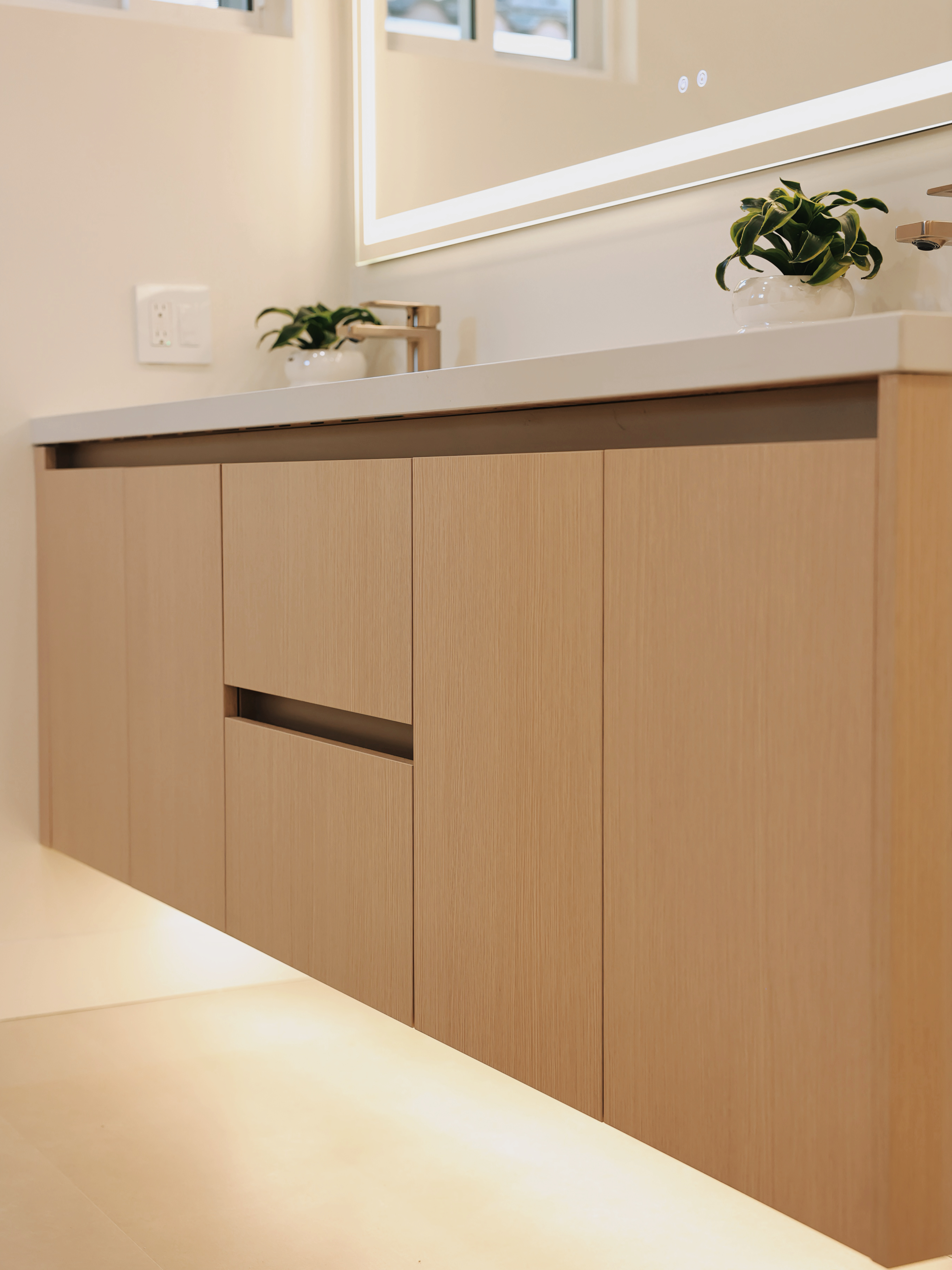
Beyond technical considerations, choosing sustainable and local solutions impacts the quality and environmental footprint of your project.
Sustainable Cabinetry Materials
Opt for sustainable cabinetry materials to benefit both your home and the environment. Look for certified wood and finishes that minimize harmful emissions. This choice not only supports eco-friendly practices but also ensures your cabinets are safe for indoor air quality. Sustainable materials contribute to a healthier home and planet.
Local Cabinet Maker Bay Area
Choosing a local cabinet maker in the Bay Area means supporting local craftsmanship and reducing your project’s carbon footprint. Local manufacturers often offer quicker lead times and personalized service, ensuring your cabinets are tailored to your needs. This local touch brings peace of mind and quality assurance to your project.
Finish Sample Approval Process
Before finalizing your cabinetry finishes, review and approve samples. This step guarantees the colors and textures meet your expectations. Seeing and feeling samples in person prevents surprises upon delivery. This hands-on approach ensures your vision aligns perfectly with the final product.
Frequently Asked Questions
What should I check before cabinet installation?
Verify fit, ensure appliance clearances, and plan for moisture management. Accurate planning prevents delays.
Why are precise measurements important for cabinets?
They ensure a perfect fit, eliminating misalignment issues and keeping the project on schedule.
How does choosing local cabinet makers benefit my project?
Local makers offer personalized service, faster delivery, and support local craftsmanship, enhancing project quality.
Why is sustainable material important for cabinetry?
Sustainable materials improve indoor air quality and reduce environmental impact, ensuring a healthy home.
What is the advantage of soft-close hardware in cabinets?
It reduces noise, prevents wear, and enhances the longevity and functionality of your cabinetry.