Kitchen Flow, Engineered: Design Tips that Bring Harmony and Rhythm to Your Space
Kitchen flow isn’t just about looks—it’s about how your space works every day. Miss the mark on aisle width or landing zones, and your kitchen feels cramped and frustrating. We’ll show you how smart design choices bring harmony and rhythm, so your kitchen supports your lifestyle without guesswork. With Ronbow’s engineered cabinetry, you get a plan made to fit your needs perfectly from the start.
Designing Effective Work Zones
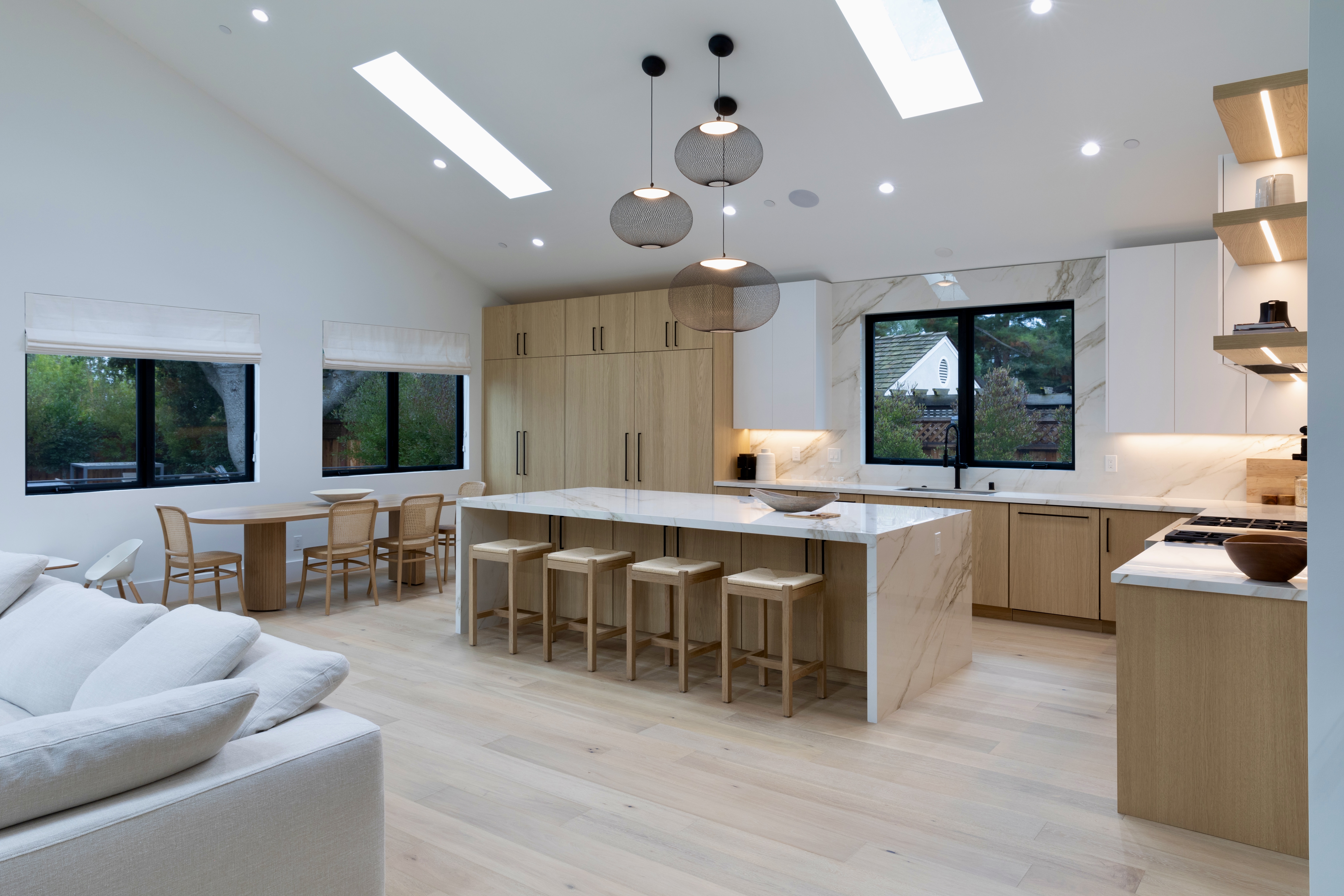
Creating an effective kitchen requires understanding how spaces can serve your daily routines. This means considering traffic patterns and the placement of key appliances. Let’s explore how these factors combine to improve your kitchen flow.
Understanding Kitchen Traffic Patterns
Imagine your kitchen as a bustling city, with pathways that must remain clear for smooth operation. Traffic patterns refer to how people move through your kitchen. Think about pathways between the sink, stove, and refrigerator. This space, often called the kitchen triangle, should be efficient yet comfortable. A good rule of thumb is that each side of the triangle should be between 4 and 9 feet. This ensures you can move swiftly without obstacles.
But don’t stop there. Consider how often you enter and exit the kitchen. Do you have kids running through during dinner prep? Is there a back door that leads to the garden? Understanding these flow patterns can help you create a space that feels open and inviting. Remember, a well-planned kitchen doesn’t just look good; it works for you.
Landing Zones by Appliance
Every appliance needs its own space to shine. Landing zones are areas next to appliances where you can place items temporarily. For instance, you might want at least 15 inches of counter space next to the fridge for unloading groceries. The same goes for ovens and dishwashers—having a clear space to place hot dishes or clean plates makes cooking and cleaning efficient.
Take a moment to think about how you use your kitchen appliances. Do you bake often? If so, a landing zone near the oven will make transferring trays a breeze. Perhaps you love crafting smoothies; placing your blender near a prep space can save time. The key is to tailor landing zones to your habits, making kitchen tasks smoother and more enjoyable.
Optimizing Space and Accessibility
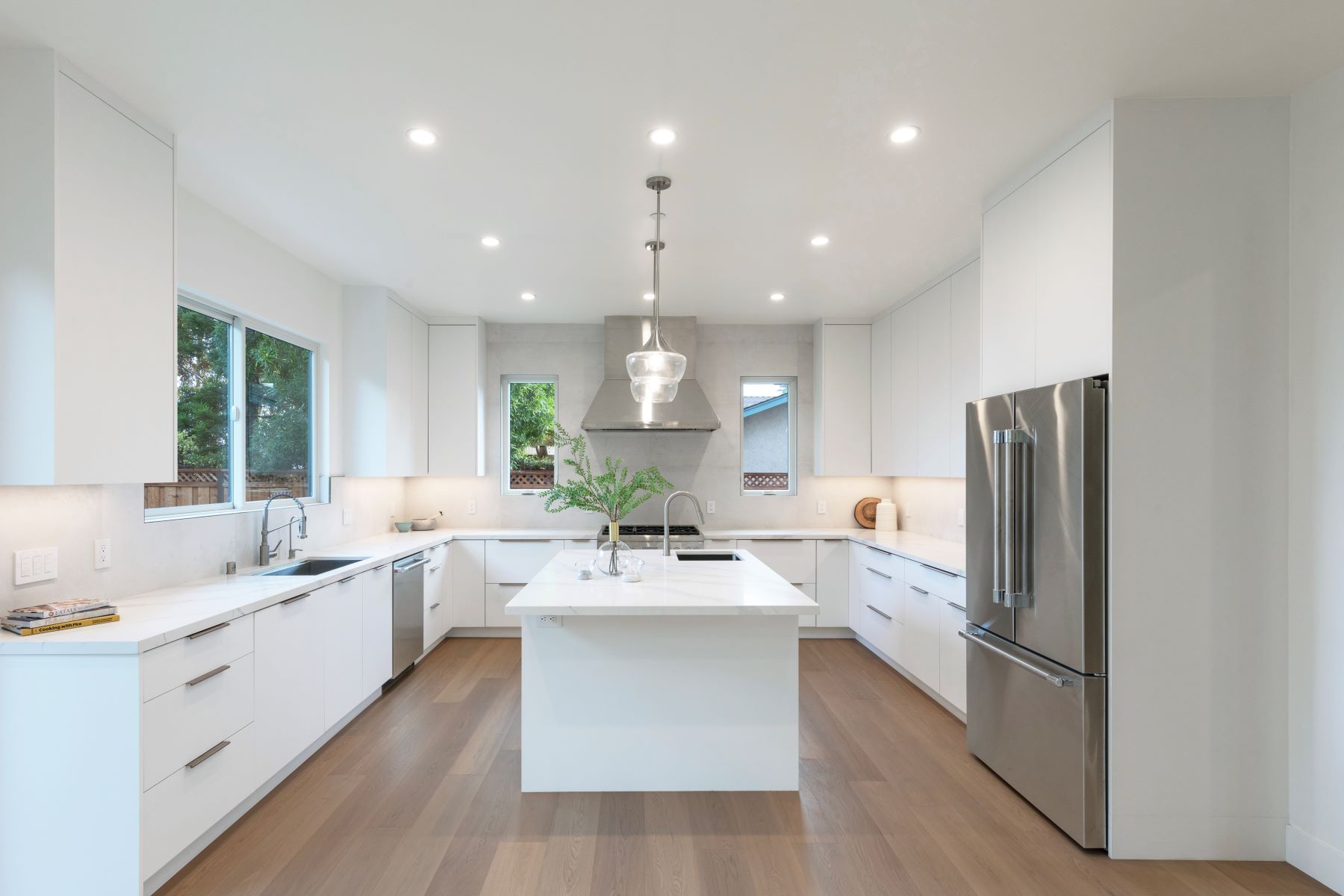
The next step in creating a functional kitchen is ensuring everything is within reach and easy to navigate. This involves considering aisle widths, island placement, and the type of cabinetry you choose.
Aisle Width and Island Clearance
Aisle width can make or break your kitchen’s flow. Too narrow, and you find yourself bumping into counters; too wide, and it feels like a marathon from the stove to the sink. Aim for at least 42 inches of aisle width, which allows two people to pass comfortably. For kitchens with an island, ensure there’s enough clearance to move around it easily, typically 36 to 48 inches.
Islands can be a wonderful addition but only if they fit the space. If your kitchen is small, a large island might make it cramped. Consider a rolling island or cart that can be moved as needed. This flexibility can enhance the space without sacrificing usability.
Drawer vs Door Cabinets
Choosing between drawer and door cabinets affects both space and ease of use. Drawers offer easy access to items and can be more ergonomic, reducing the need to bend down. They’re perfect for pots, pans, and dishes. Meanwhile, door cabinets provide more vertical storage, ideal for taller items like baking sheets or cereal boxes.
Think about what you store most often. If you find yourself constantly reaching for pots, drawers might be your best bet. However, if you have a collection of serving platters or small appliances, door cabinets with adjustable shelving could offer better functionality. Ultimately, the choice should reflect your kitchen habits, enhancing both organization and accessibility.
Enhancing Kitchen Functionality
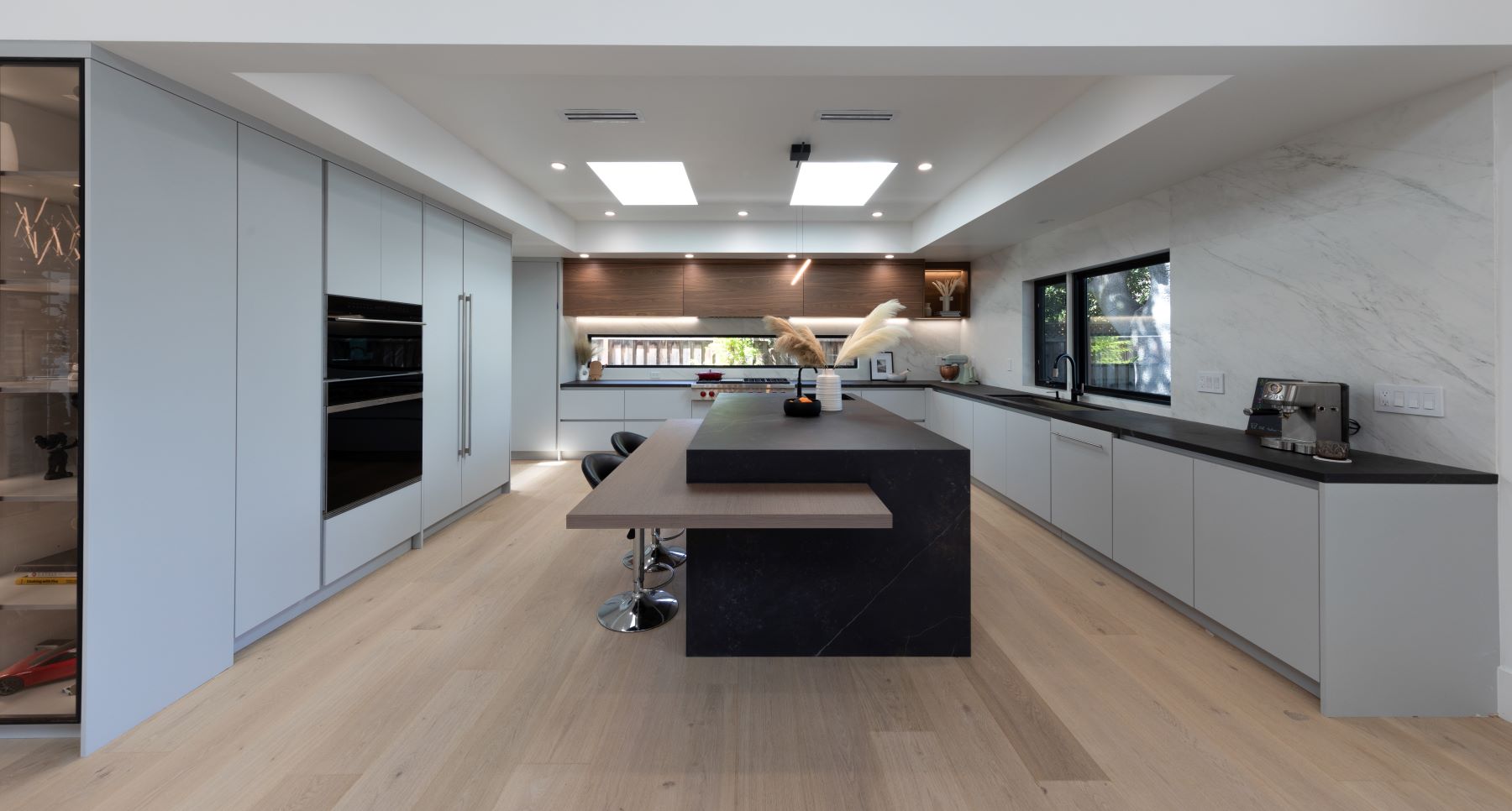
Finally, let’s focus on features that boost the overall functionality of your kitchen. From storage solutions to lighting choices, these elements play a crucial role in the ease and enjoyment of your kitchen.
Ergonomic Storage Solutions
Ergonomic storage isn’t just about convenience; it’s about transforming your kitchen into a space that works seamlessly with you. Consider pantry organization systems that categorize items for easy access. Lazy Susans in corner cabinets and pull-out shelves can save time and effort, keeping everything within arm’s reach.
Think about using soft-close hinges and glides for cabinets and drawers. They not only prevent slamming but also add a touch of luxury to everyday tasks. Additionally, if you often struggle with cluttered countertops, wall-mounted racks or under-shelf baskets can free up space and provide easy access to essentials.
Lighting and Material Choices
Lighting and material choices significantly impact how your kitchen feels and functions. A mix of task, ambient, and accent lighting can illuminate workspaces effectively. LED lights under cabinets can brighten countertops, while pendant lights above an island add style and warmth.
When selecting materials, consider options that are both beautiful and durable. Engineered cabinetry and sustainable cabinetry materials offer longevity without compromising on aesthetics. The right materials can transform your kitchen into a space that feels welcoming and stands the test of time. Choosing the right combination ensures that your kitchen not only looks great but also serves you well every day.
Incorporating these insights will help you create a kitchen that flows effortlessly with your lifestyle. By focusing on work zones, optimizing space, and enhancing functionality, you’ll design a space that’s both practical and beautiful. With Ronbow’s dedication to precision and craftsmanship, you can trust that your kitchen will not only meet expectations but exceed them.