Kitchen cabinet pricing can feel like a maze of numbers and jargon. You want to know what really drives the cost—from materials to installation—without wading through vague estimates. This guide breaks down custom kitchen cabinets cost in clear terms, revealing what you can expect for your Bay Area remodel. Stick around to see how transparent pricing helps you plan with confidence and avoid surprises.
For a deeper understanding of what drives the cost of custom kitchen cabinets, visit our detailed guide on this topic. If you’re exploring options for cabinetry crafted in California, check out our comprehensive overview of engineered custom kitchen cabinets. And for those curious about verifying the craftsmanship of custom cabinets in your area, learn more about our California-made cabinets.
Key Factors in Cabinet Pricing
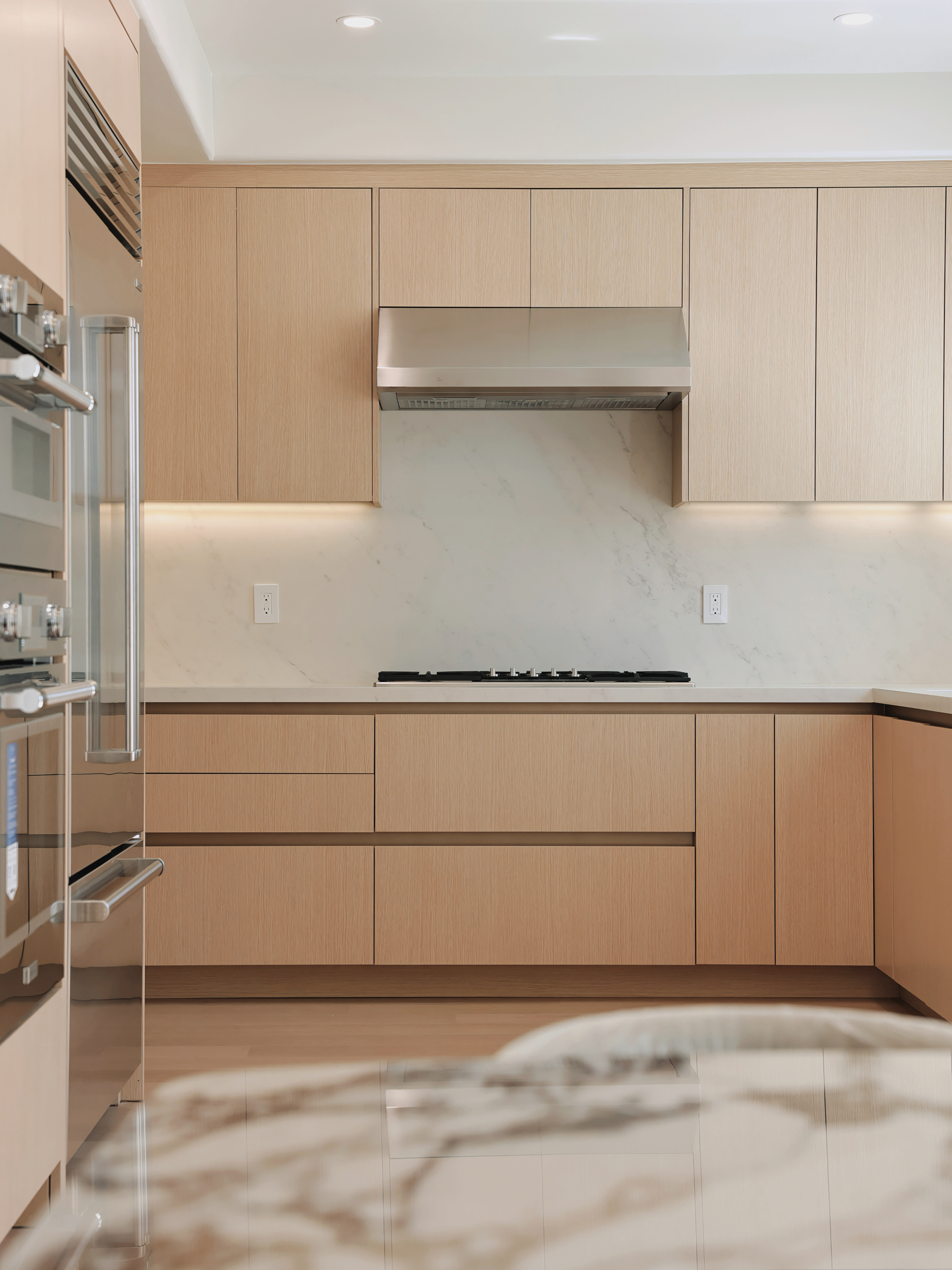
Understanding what affects cabinet pricing can help you make informed decisions. Let’s dig into the core components.
Materials and Construction Methods
Your choice of materials is crucial. Solid wood offers durability but comes at a higher cost, while MDF provides a budget-friendly alternative. Consider how these materials impact not just price but also longevity.
-
Solid Wood: Known for its strength, this option increases costs but enhances durability.
-
MDF: More affordable and versatile, though less durable than wood.
Construction methods also play a role. Dovetail joints, for example, add to the price but offer superior strength. Think about how often your cabinets will be used when deciding on materials and construction techniques.
Finish and Hardware Choices
The finish you choose affects both style and price. Matte finishes are sleek and modern, while gloss adds a polished look. Each has different maintenance needs, so choose what fits your lifestyle.
Hardware, such as handles and knobs, can also vary greatly in cost. High-end options add flair but increase the budget. However, quality hardware can dramatically improve both the look and feel of your kitchen.
Customization and Scope of Project
Customization can make your kitchen truly unique. Options like integrated lighting or pull-out shelves enhance functionality but come at a cost. The scope of your project also matters—a full kitchen remodel is more expensive than upgrading a few cabinets.
By understanding these options, you can tailor your project to fit both your needs and your budget.
Breaking Down Installation Costs
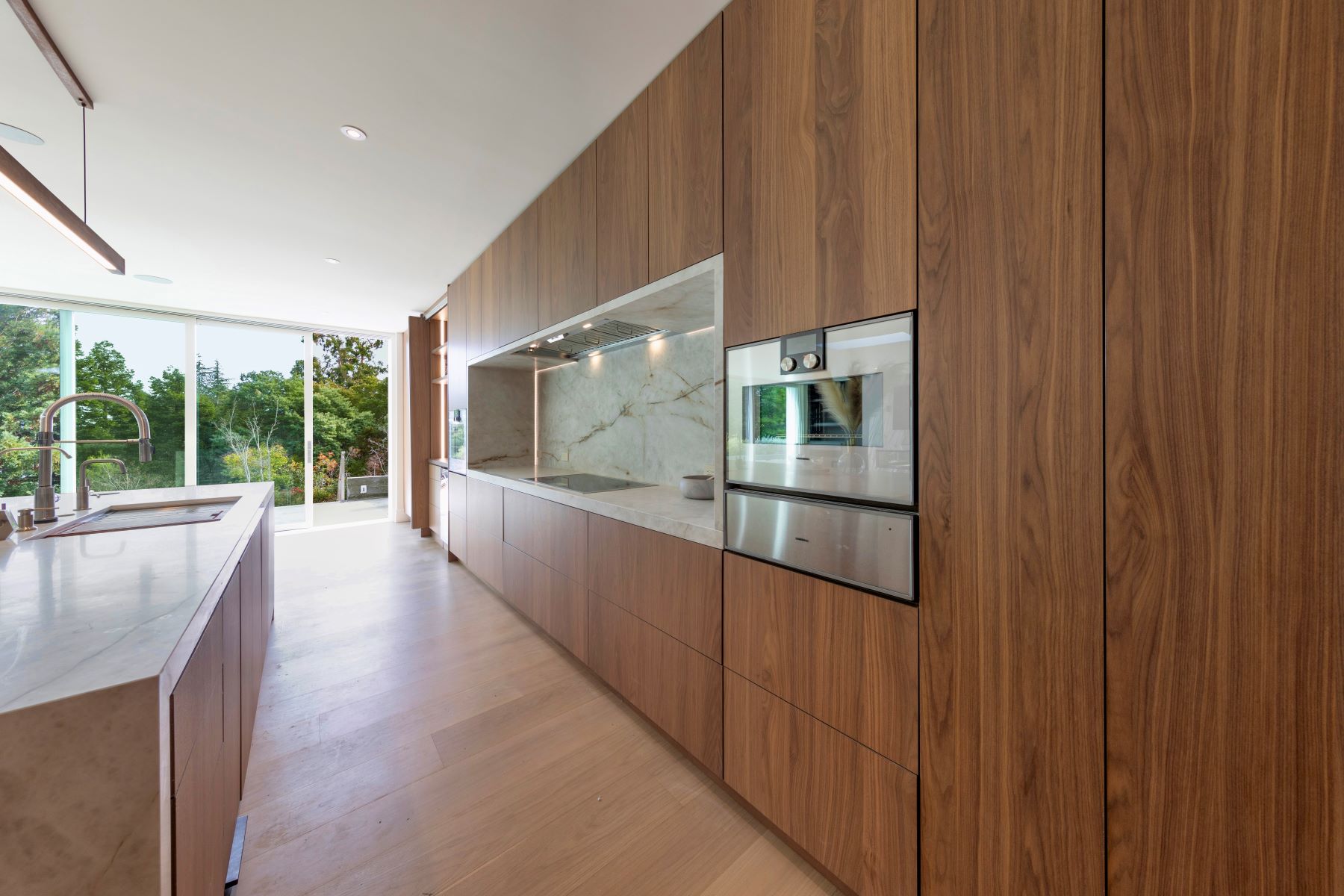
Once you’ve chosen your cabinets, installation is the next step. Let’s explore what to expect.
Cabinet Installation Cost in California
Installation costs can vary across California. In urban areas like the Bay Area, higher labor costs are common. On average, expect to pay $100 to $200 per linear foot for installation. Consider this when budgeting for your project.
In addition to labor, the complexity of your kitchen layout affects costs. A straightforward design will be less expensive than a layout with multiple angles or islands.
Soft Close Hardware Cost and Options
Soft close hardware is a popular upgrade. It prevents slamming and extends the life of your cabinets. This feature typically adds $20 to $50 per cabinet. While it’s an extra cost, many find the investment worthwhile for the long-term benefits.
You can choose varying levels of quality for soft close hardware. Higher-end options offer smoother operation and longer life spans.
Frameless Cabinets Cost vs Traditional Styles
Frameless cabinets offer a sleek, modern design. They usually cost more than traditional framed cabinets due to precise construction requirements. Expect to pay approximately 15% more for frameless options.
This style allows for more accessible storage and a streamlined look, which can be worth the additional cost for those desiring a contemporary kitchen aesthetic.
Sustainability and Local Manufacturing
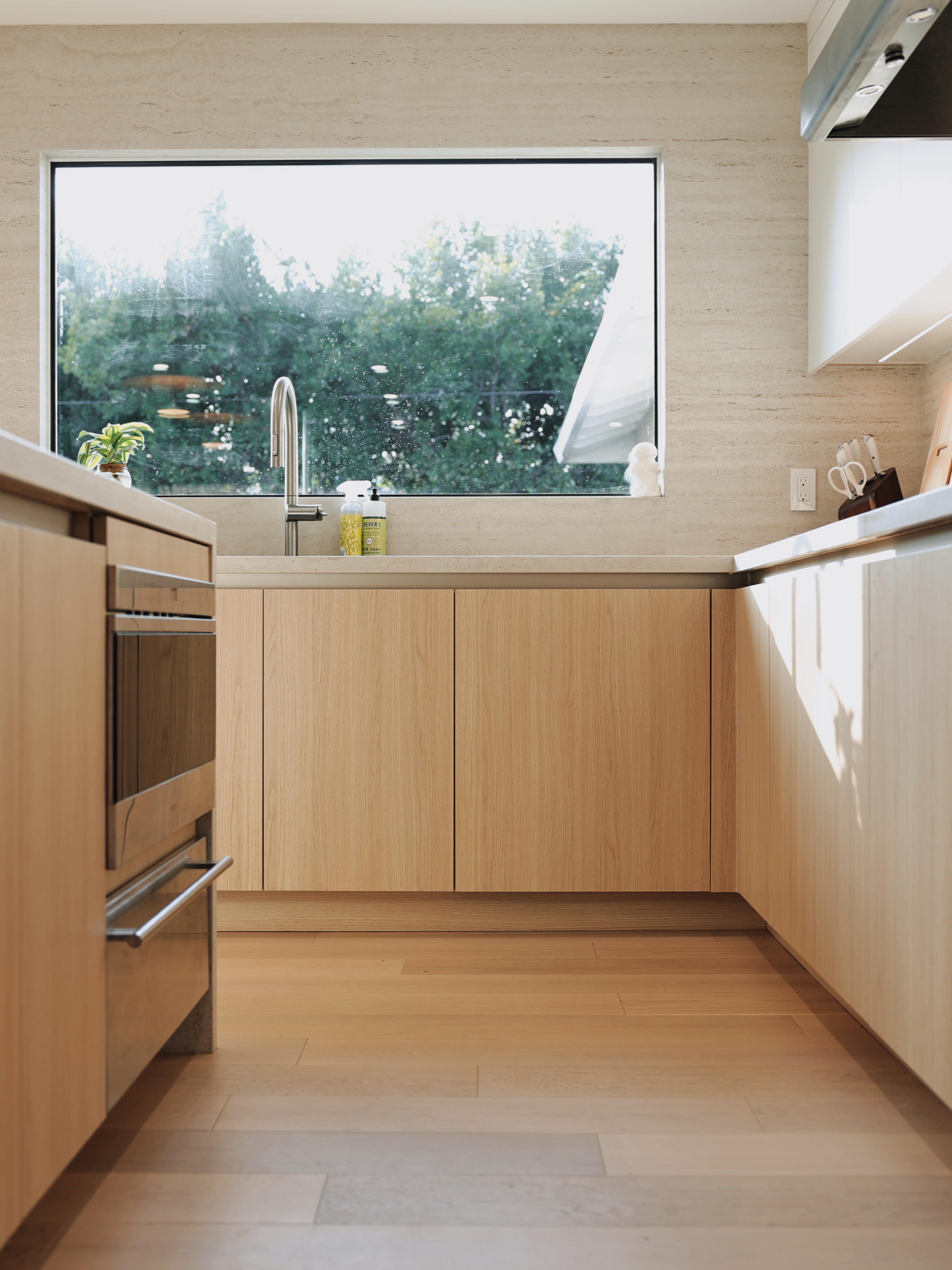
Considering sustainability can add value to your kitchen remodel. Let’s explore these options.
California Made Cabinets and Their Benefits
Choosing California-made cabinets supports local businesses and ensures quality. Local manufacturing often means faster delivery times and better customer service. Plus, it contributes to a smaller carbon footprint.
Local manufacturing provides transparency in sourcing and production, giving you confidence in your purchase.
Comparing Plywood vs MDF Cabinet Cost
Plywood is often more expensive than MDF but offers greater durability and moisture resistance. MDF is economical and provides a smooth finish for painting. The choice between these materials depends on your budget and priorities for durability.
-
Plywood: Costs more, offers durability and moisture resistance.
-
MDF: Budget-friendly, ideal for painted finishes.
Importance of CARB2 and FSC Certification
CARB2 and FSC certifications ensure that your cabinets are safe and sustainably sourced. These certifications indicate low formaldehyde emissions and responsible forest management. Choosing certified products can give you peace of mind about the environmental impact of your kitchen remodel.
By focusing on these factors, you can make choices that are not only budget-conscious but also environmentally responsible.