What Custom Kitchen Cabinets Really Cost in the Bay Area: A No-Surprise Guide
Custom kitchen cabinet cost in the Bay Area often surprises homeowners. You might expect a simple price tag, but engineering, materials, and installation choices each add layers to the final figure. Understanding these details helps you avoid common remodeling pitfalls and plan a budget that fits your vision. Let’s break down what really drives pricing and how to prepare for a smooth path to your dream kitchen.
Understanding Custom Cabinet Costs
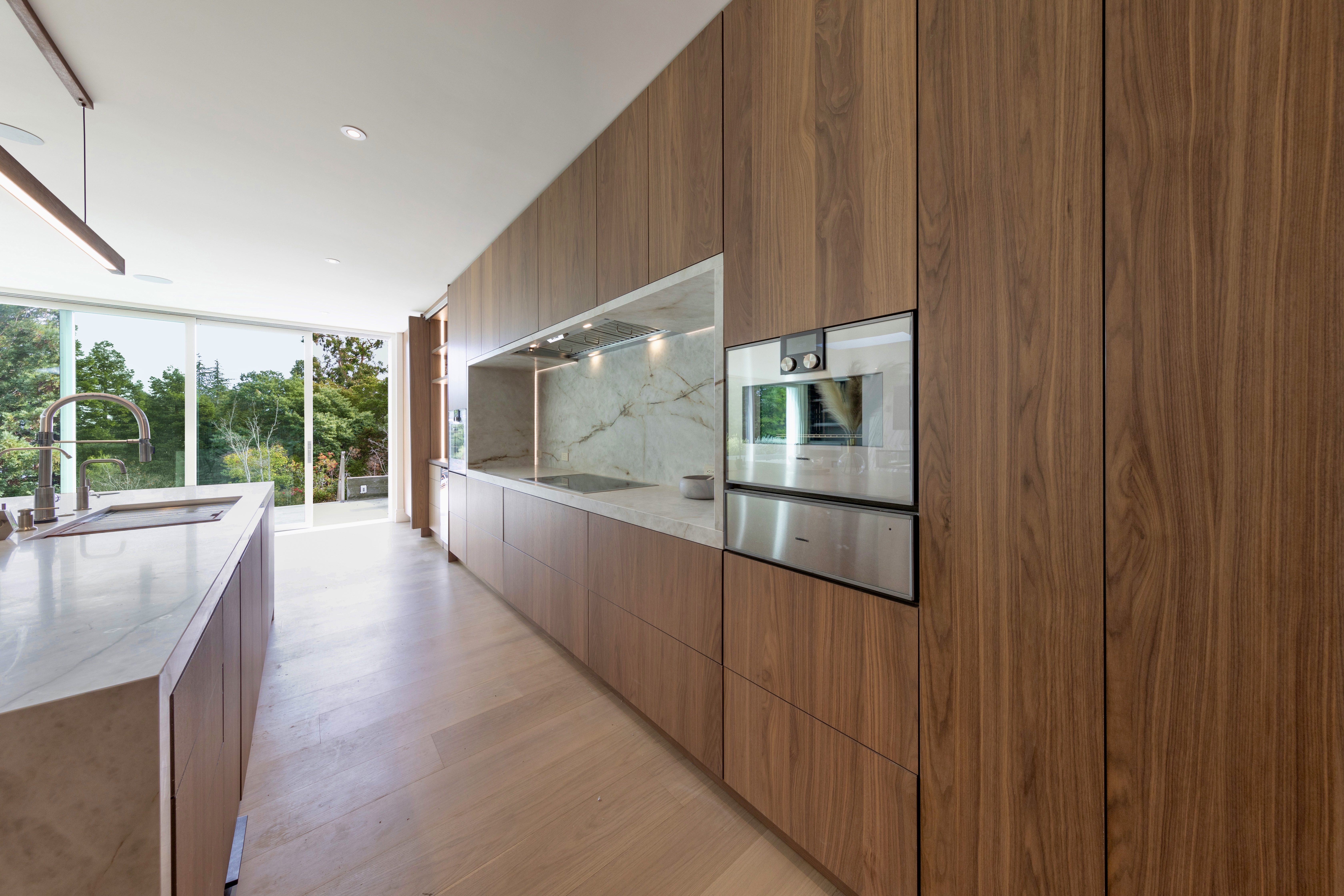
Embarking on a kitchen remodel can feel overwhelming, especially when trying to grasp what influences the costs of custom cabinets. Let’s explore the key aspects that shape those price tags.
Key Cost Drivers Explained
Every kitchen is unique, and so are the factors affecting its remodeling costs. Size and complexity of the project play a significant role. A larger kitchen will naturally require more materials and labor. Design intricacy also matters; detailed designs with unique features can increase costs. Additionally, the location of your home may impact labor and delivery charges. Moreover, the experience and reputation of the cabinet maker you choose can influence pricing, as highly skilled craftsmen often charge more for their expertise.
The Role of Materials and Finishes
Materials can dramatically shift your budget. Solid wood is a popular choice for its durability and classic look, but it’s often more expensive. MDF or plywood might offer more budget-friendly alternatives without sacrificing quality. Beyond materials, finishes are essential. High-gloss or exotic wood veneers can add elegance but also cost more. Eco-friendly options may appeal to sustainability-conscious homeowners, potentially increasing costs if they involve specialized materials or processes.
Installation Choices and Their Impact
Your installation choices significantly affect the final cost of your kitchen cabinets. Hiring professional installers ensures precision and a seamless fit, but it comes at a premium. Alternatively, some opt for DIY installation to save money, though this can risk improper fitting or damage. Custom features, like soft-close drawers or integrated lighting, add convenience and style but also increase installation complexity and cost.
Comparing Cabinet Style and Price
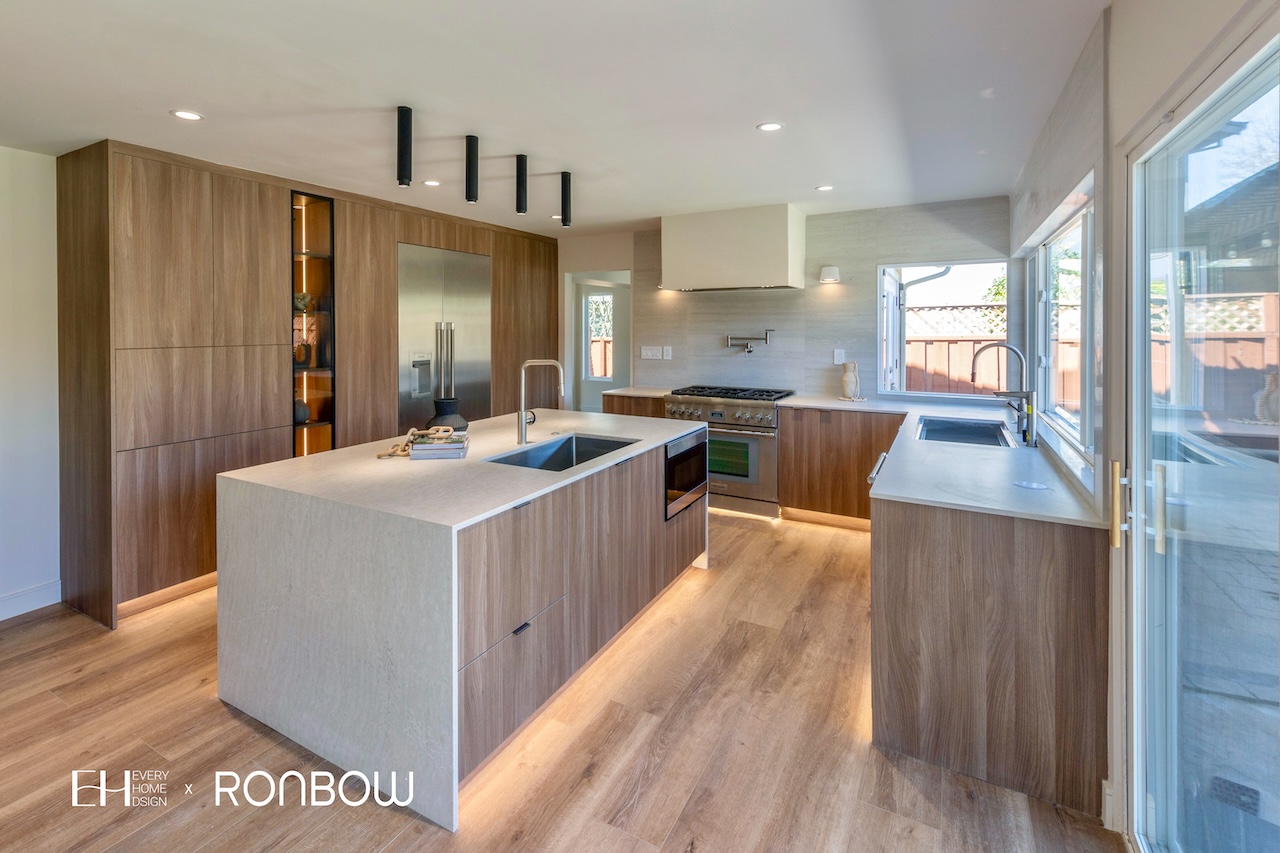
Choosing the right cabinet style is crucial both for aesthetics and budget. Let’s dive into how different styles and options impact your costs.
Frameless vs Inset Cabinets
Frameless cabinets offer a sleek, modern look and can be more cost-effective because they use less material. These are often favored in contemporary kitchens for their clean lines. Inset cabinets, however, are known for their classic appeal and precise craftsmanship. They can be more expensive due to the detailed work required to fit the doors within the frame, offering a more traditional and sophisticated feel.
Semi-Custom vs Fully Custom Options
Semi-custom cabinets provide a balance between cost and personalization. They offer some flexibility in design while generally being more affordable than fully custom cabinets. On the other hand, fully custom cabinets are tailored entirely to your specifications, allowing for unique designs and features. This level of customization is ideal for homeowners looking for a one-of-a-kind kitchen, but it comes with a higher price tag.
Evaluating Local vs Imported Solutions
Local cabinets offer advantages like supporting nearby businesses and potentially faster delivery times. They often allow for better quality control and communication with the manufacturer. Imported cabinets might offer lower upfront costs, but shipping fees, longer wait times, and potential quality issues can offset these savings. Local options also reduce the environmental impact associated with shipping, aligning with sustainable living goals.
Planning for Your Remodel
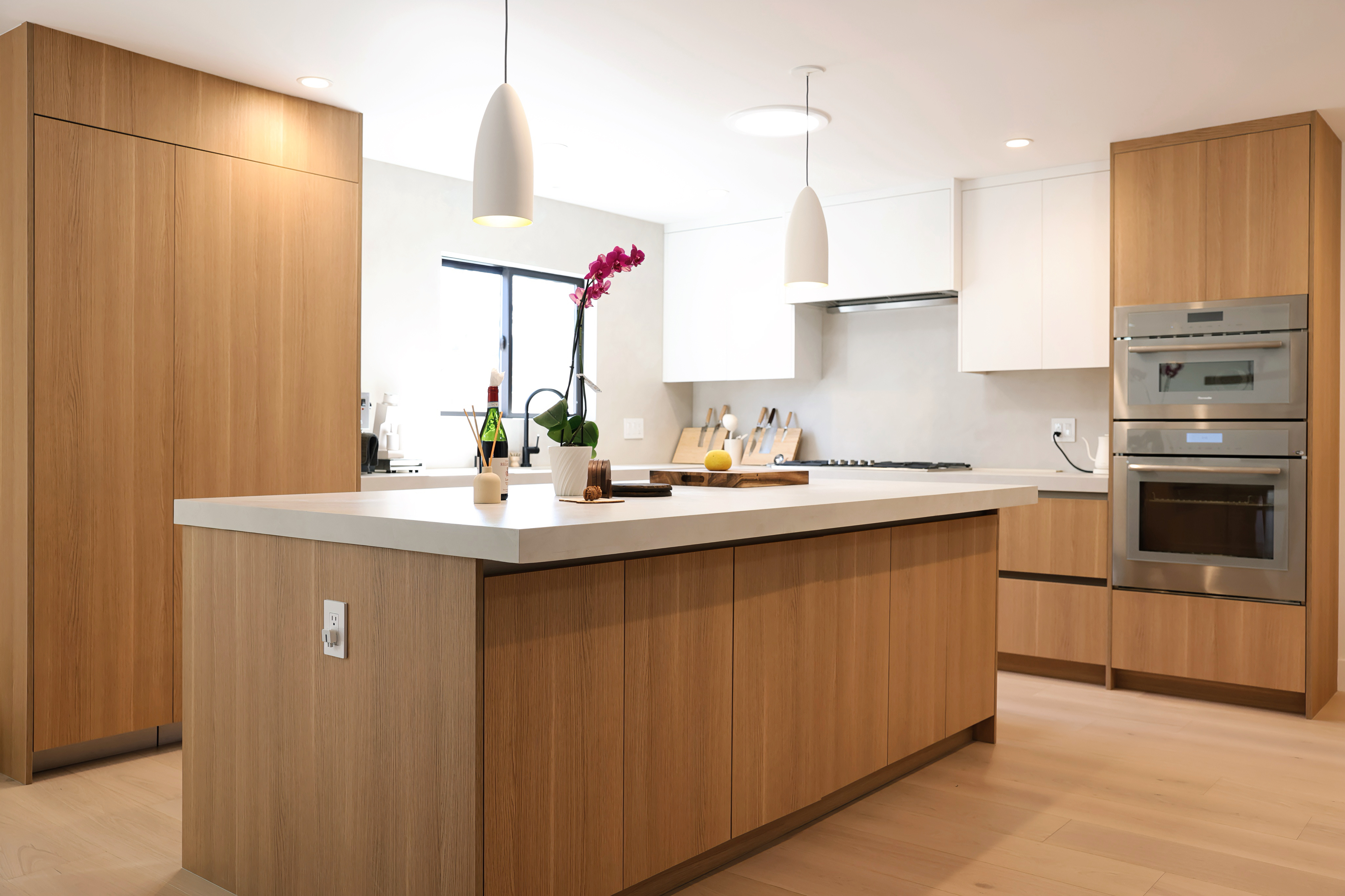
Preparation is key to a successful kitchen remodel. Let’s discuss how to avoid mistakes and make the most of your investment.
Avoid Costly Kitchen Mistakes
Mistakes during a kitchen remodel can be both costly and time-consuming. Avoid common pitfalls by ensuring accurate measurements and choosing a layout that optimizes space and functionality. Consult professionals to avoid DIY errors that could lead to uneven installations or damage. Prioritizing quality over quick fixes can prevent future headaches and expenses.
Making the Most of Showroom Visits
Visiting showrooms provides valuable insights into available options and quality. Engage with experts to ask questions and explore different styles and materials. Take advantage of design consultations to visualize your kitchen’s potential and understand what fits your aesthetic and budget. Engaging with the showroom professionals can also help you identify unique solutions tailored to your needs.
Timeline and Lead Time Considerations
Understanding the timeline of your remodel is crucial. Order lead times can range from weeks to months, depending on customization and supplier. Planning ahead ensures your project stays on track and minimizes disruptions. Consider potential delays, whether from material shortages or other unforeseen issues, and build flexibility into your timeline to accommodate them.
In conclusion, investing time in understanding these aspects of custom kitchen cabinets will empower you to make informed decisions. By considering factors like materials, styles, and installation choices, you can create a kitchen that reflects your taste and meets your functional needs, all while staying within your budget.