Most cabinetry brands talk about sustainability and durability without showing the numbers you need. You want sustainable cabinetry that stands up to daily use, not just buzzwords. This checklist breaks down the specs, materials, and tests so you can compare California made cabinets with confidence. Keep reading to learn exactly what to look for before you commit.
Comparing Sustainable Cabinetry
Let’s break down what truly sustainable cabinetry means. Understanding the specifications and materials ensures you make an informed choice that aligns with your values and needs.
Understanding FSC Wood Cabinets
FSC wood cabinets are crafted from responsibly managed forests. This certification assures you that the wood comes from environmentally friendly sources. Not all wood is the same, so when you’re eyeing new cabinets, check for the FSC logo. This little mark means big benefits: maintaining biodiversity and supporting local communities. It’s like choosing organic produce but for your kitchen.
CARB2 Compliant Cabinetry Options
CARB2 compliance is a must for healthy homes. This standard limits formaldehyde emissions, making your air cleaner. When browsing options, look for the CARB2 label. It means your cabinets release fewer chemicals, protecting your family’s health. It’s not just a selling point; it’s peace of mind.
Formaldehyde-Free Cabinet Choices
Choosing formaldehyde-free cabinets further enhances indoor air quality. This choice minimizes your exposure to harmful VOCs. Cabinets without this chemical provide a safe haven for children and pets. You’ll breathe easier knowing your home is a healthier environment.
Durability and Daily Use
Durability matters when your cabinets face the daily grind. Here’s how to ensure they withstand the test of time.
Testing Durable Cabinets
Testing is crucial to verify durability claims. Look for cabinets that pass rigorous industry tests. These tests simulate years of use in just a few months. If they pass, you can trust they’ll handle your bustling kitchen with ease.
Kitchen Cabinet Daily Use
Your kitchen is a hub of activity. Cabinets here endure frequent opening and closing. Choose ones that promise reliability. Soft-close mechanisms are essential to prevent slamming, prolonging their lifespan. A kitchen that’s kind to your cabinets is kind to you.
Bathroom Cabinet Durability
Bathrooms bring moisture challenges. Cabinets here must withstand humidity. Opt for moisture-resistant materials like marine-grade plywood. This choice ensures your cabinets won’t warp or degrade, keeping your bathroom looking fresh.
Materials and Construction
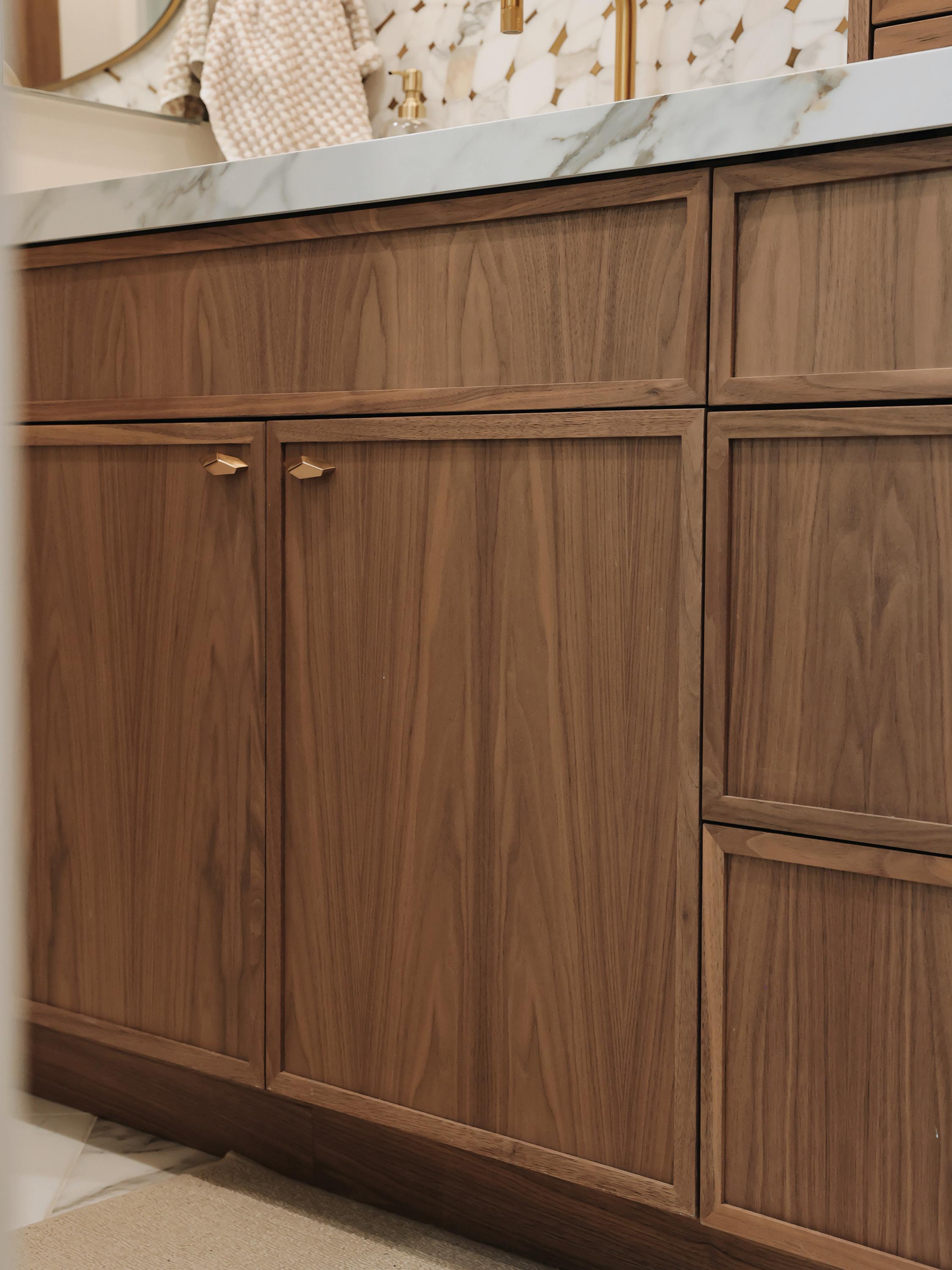
The backbone of any sturdy cabinet lies in its materials and construction methods.
Cabinet Box Construction: Plywood vs Particleboard
Choosing between plywood and particleboard matters. Plywood offers strength and moisture resistance, ideal for both kitchens and bathrooms. Particleboard can be cost-effective but lacks durability. For long-lasting cabinets, plywood is your go-to choice.
Soft-Close Hinge Cycle Test
Soft-close hinges aren’t just a luxury. They undergo cycle tests to ensure longevity. These tests mimic years of use, proving their durability. Investing in quality hinges ensures your cabinets close quietly and last longer.
Drawer Slide Load Rating
Drawer slides handle the weight of your belongings. Check the load rating to ensure they suit your needs. Higher ratings mean they can hold more weight without wear. For a functional and robust kitchen, ensure your slides are up to the task.
In conclusion, understanding these details empowers you to select cabinets that truly meet your needs. Prioritize sustainability and durability for a home that stands the test of time.