Most remodels stall when homeowners skim the cabinet specification sheet and miss critical details. You might think the specs are just technical jargon, but skipping this step invites costly change orders and delays. Learning how to read cabinet specs helps you verify materials, finishes, hardware, and tolerances—so you approve with confidence and keep your project on track. Let’s break down the essentials you need before signing off.
Understanding Cabinet Specification Sheets
The cabinet specification sheet is your roadmap to a successful remodel. It is where you confirm every detail before giving your approval.
Key Elements to Check
Start by verifying key elements on the spec sheet. Look for the cabinet box material, like plywood or particleboard, as these affect durability. Check the drawer box construction; dovetail joints often indicate quality. Don’t forget the soft-close hinge spec. Brands like Blum offer reliable options. Confirm the cabinet tolerances, often noted as plus or minus 1 mm, to ensure a precise fit.
Common Mistakes to Avoid
Avoid rushing through the specs. A common mistake is overlooking the appliance panel clearances. This can lead to installation hiccups. Another oversight is missing the low VOC cabinet finish detail. It’s crucial for air quality, so ensure your finishes meet standards like CARB Phase 2 compliance. Always double-check FSC certified wood cabinets for sustainability if that’s a priority for you.
Importance of Accurate Measurements
Measurements are the backbone of your remodel. Accurate dimensions prevent costly errors. Always field verify measurements to ensure they match the spec sheet. Discrepancies here can lead to significant delays. Confirm that your space can accommodate the design, factoring in things like appliance panel clearances to avoid installation headaches.
Decoding Cabinet Construction Details
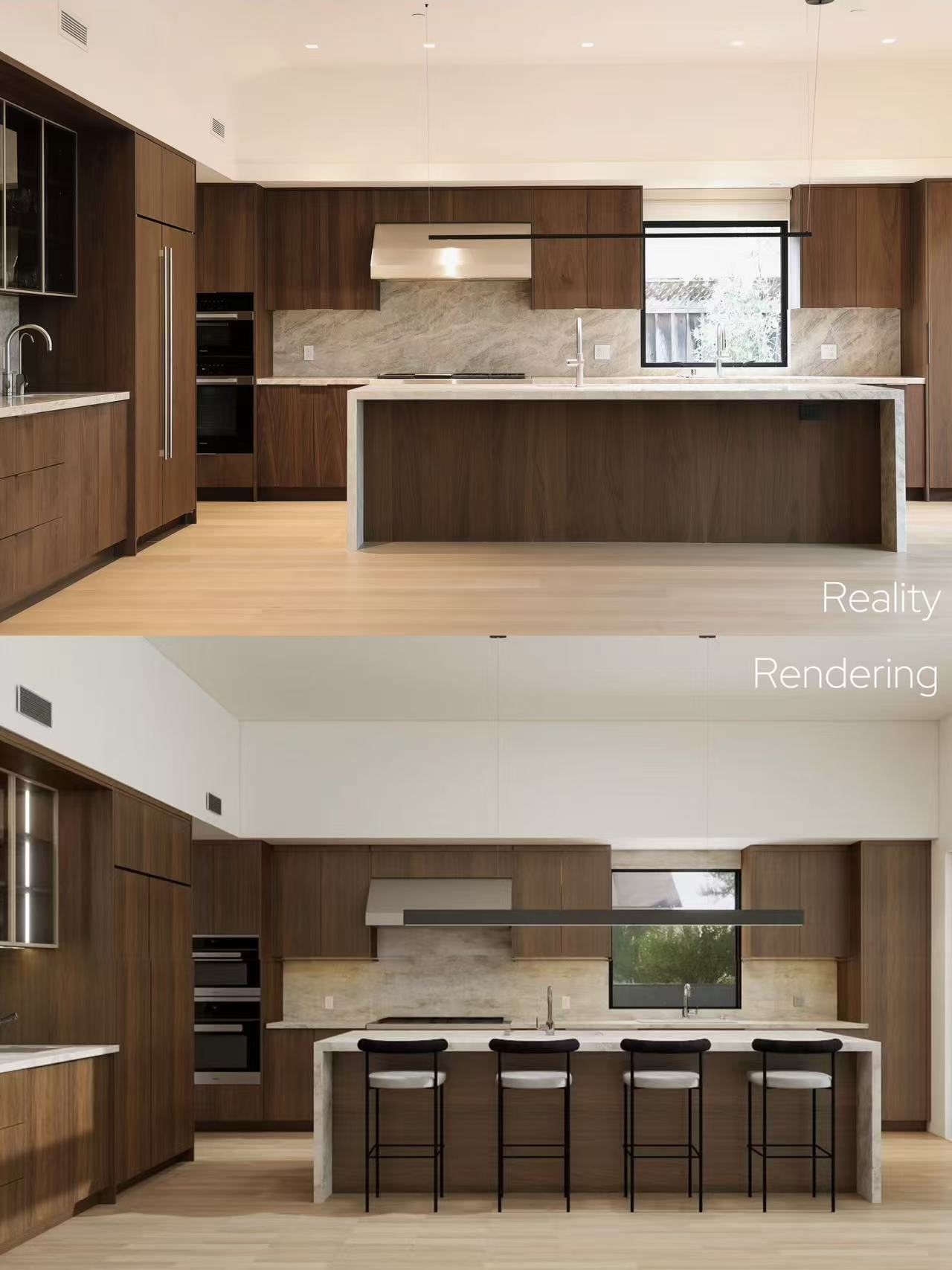
Understanding how your cabinets are constructed helps you make informed choices. From materials to finishes, each aspect affects performance and style.
Materials and Sustainability
Choose materials that align with your priorities. Plywood is durable but can be pricier than particleboard. If sustainability matters, confirm that your cabinets use FSC certified wood. UV cured finishes are another sustainable choice, reducing harmful emissions.
Hardware and Finishes
Hardware can’t be an afterthought. Quality hinges like those from Blum offer longevity. Decide on finishes based on maintenance needs. A low VOC finish contributes to healthier indoor air quality. Always verify if the finish is UV cured for added durability.
Frameless vs Face Frame Differences
Cabinet style impacts both appearance and function. Frameless cabinets offer a sleek, modern look with more accessible storage. Face frame cabinets provide a traditional look with added strength. Consider your style preference and practical needs when making this choice.
Finalizing and Approving Your Specs
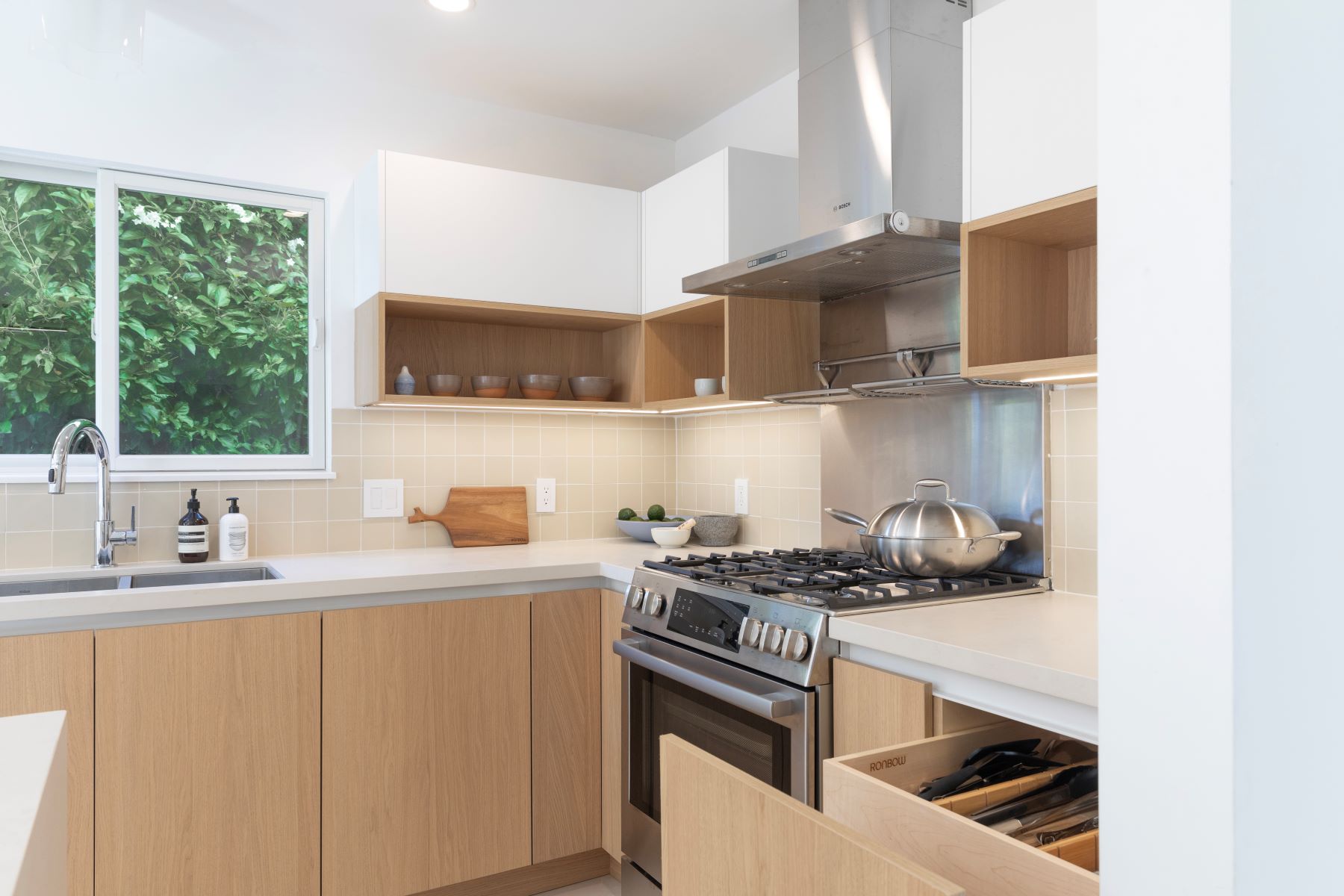
Before finalizing, ensure every component aligns with your vision and space requirements. This prevents costly mistakes down the line.
Shop Drawings and Field Verifications
Always review shop drawings carefully. These detailed blueprints ensure your cabinets match what was ordered. Field verify measurements to catch any discrepancies early. This step can save you time and money by preventing installation issues.
Policies on Changes and Warranties
Understanding change policies is crucial. Some companies allow changes post-approval, but they often come with costs. Know the warranty terms too. A limited lifetime warranty is standard, but confirm specifics like coverage start dates.
Booking a Spec Sheet Reality Check
Before signing off, consider a spec sheet review session at a showroom. This is a chance to confirm all details in person. An expert can highlight potential issues you might miss, ensuring your approval is informed and confident.
Frequently Asked Questions
What should I look for in a cabinet specification sheet?
Focus on materials, hardware, and finishes. Ensure tolerances and measurements fit your space. Check for sustainability certifications and finish types for air quality.
Why is it important to field verify measurements?
Field verification ensures your space matches the plans. It prevents installation issues and costly modifications by catching discrepancies early.
What are the main differences between frameless and face frame cabinets?
Frameless cabinets offer a modern, streamlined look with more storage. Face frame cabinets have a traditional appearance with increased strength, suitable for heavier loads.