Stop reading the ads that promise the world but deliver guesswork. When you’re planning your kitchen remodel, knowing how to evaluate custom cabinets cuts through the fluff and jargon. This checklist breaks down cabinet construction methods, materials, hardware, and finishes—so you can judge for yourself and head to a local cabinet showroom Bay Area with confidence. Let’s get beyond marketing and focus on facts.
Evaluating Custom Cabinetry
Materials and Construction Quality
The backbone of any cabinet is its materials and construction. Solid wood and plywood are top choices for durability. Solid wood offers a classic appeal, while plywood combines stability with lighter weight. When examining construction, look for dovetail joints in drawers. These indicate quality craftsmanship. A cabinet isn’t just about appearance; its strength lies in these details.
Hardware and Finish Considerations
Hardware can make or break your experience with cabinets. Look for Blum soft-close hinges and Salice drawer slides for smooth and quiet operation. These aren’t just fancy names; they ensure longevity and ease of use. Finishes are the face of your cabinets. A durable finish is crucial for maintaining looks over time. A simple test: run your hand over the surface. Quality finishes feel smooth, not grainy.
Sustainability and Pricing Transparency
Sustainability is more than a buzzword. Choosing cabinets made with low-VOC finishes and sustainable materials helps protect the environment. Look for certifications like CARB2 or TSCA Title VI compliance to ensure your cabinets meet health standards. In terms of pricing, transparency is key. Be wary of hidden costs. A clear breakdown should include materials, construction, and installation fees.
Understanding Cabinet Options
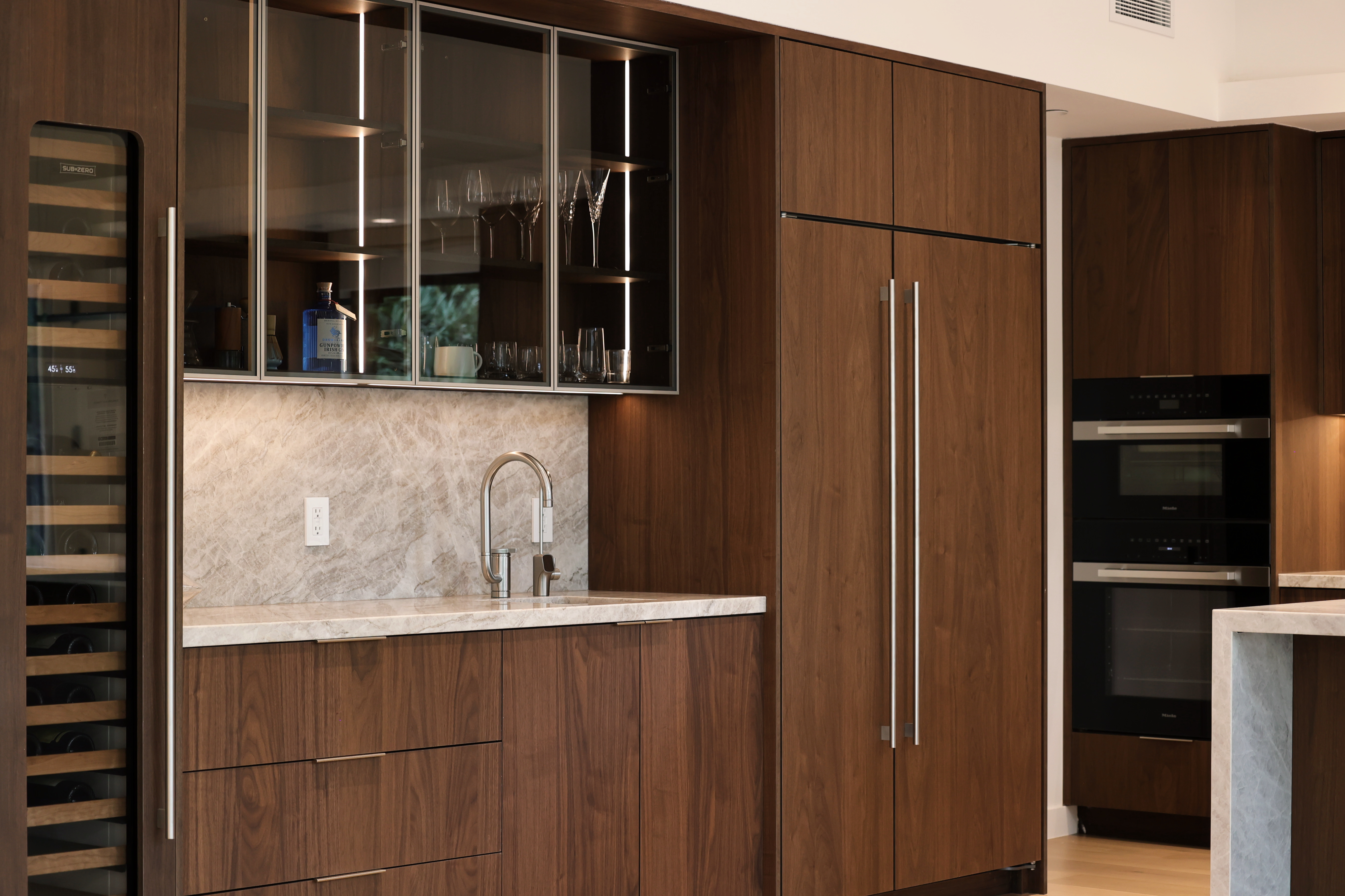
Frameless vs Face-Frame Cabinets
Frameless cabinets offer a sleek, modern look with more storage space. They lack a front frame, making access easier. Face-frame cabinets, on the other hand, have a traditional look with a visible frame around the opening. This frame adds rigidity but can limit accessibility. Your choice depends on style preference and practical needs.
Solid Wood vs Plywood Cabinets
Solid wood brings a timeless beauty and strength. Each piece is unique, with natural variations in grain and color. Plywood, composed of layered wood veneers, offers stability and resistance to warping. It’s lighter and often more affordable than solid wood. For high-use areas, plywood can be a practical choice without sacrificing quality.
Cabinet Box Materials and Compliance
The box forms the core of your cabinet. Options include particle board, MDF, and plywood. Plywood is the most durable, MDF offers a smooth surface, and particle board is budget-friendly. Compliance with CARB2 or TSCA Title VI ensures materials are safe and low in formaldehyde emissions. This is crucial for a healthy home environment.
Practical Showroom Verification
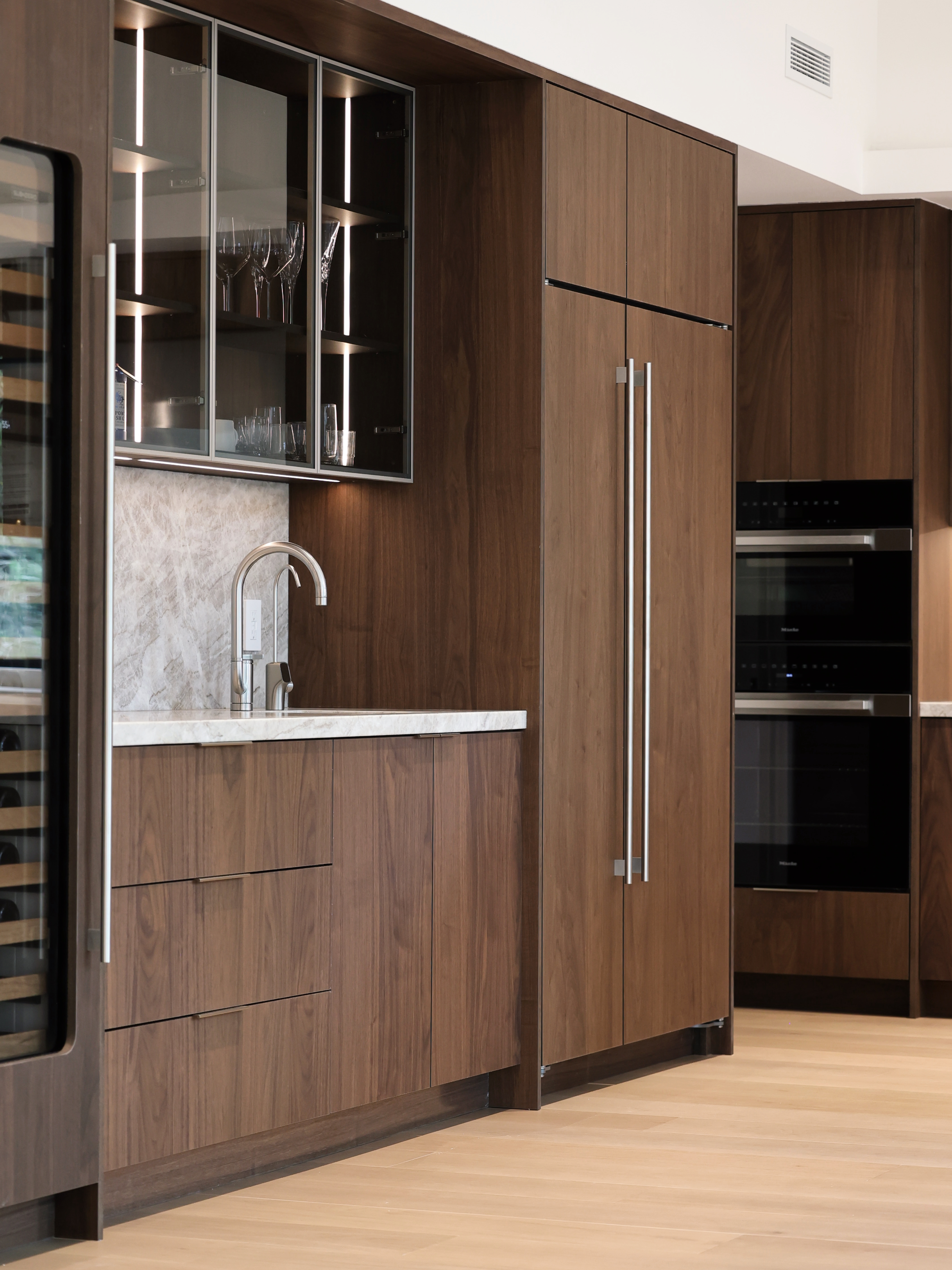
Performing a Touch Test
A showroom visit provides a tactile experience. Open and close drawers to feel the motion. Run your fingers over finishes to test smoothness. Quality cabinets feel sturdy and operate smoothly, without wobble or roughness. This touch test is your best friend in judging actual quality.
Cabinet Tolerances and Reveals
Look closely at the spaces between doors and drawers. These reveals should be consistent. Uneven gaps can indicate poor craftsmanship. Check tolerances by opening and closing doors. They should align perfectly without needing force. This precision reflects attention to detail in manufacturing.
Visiting Local Cabinet Makers
Local cabinet makers offer insights beyond what big-box stores can provide. They often use higher-quality materials and custom designs tailored to your space. A visit can reveal their craftsmanship level and allow for direct communication about your needs. Supporting local businesses can also mean faster lead times and personalized service.
Frequently Asked Questions
What are the benefits of solid wood cabinets?
Solid wood cabinets provide unique beauty and strength. They offer natural variations in grain, adding character to your kitchen. They’re also highly durable, making them a long-lasting choice.
Why choose frameless cabinets?
Frameless cabinets offer a modern look with more accessible storage space. Without a front frame, they allow for wider drawers and easier access, ideal for contemporary kitchen designs.
How can I test cabinet finish quality?
Run your hand over the cabinet surface. A quality finish feels smooth and consistent. It should be free from bumps, graininess, or unevenness, indicating a well-applied and durable finish.
What should I look for in cabinet hardware?
Opt for Blum soft-close hinges and Salice drawer slides. These hardware components ensure smooth and quiet operation, contributing to the longevity and functionality of your cabinets.
How do I ensure cabinet materials are safe?
Look for cabinets that are CARB2 or TSCA Title VI compliant. These certifications indicate that materials meet health standards, being low in formaldehyde emissions, ensuring a safer home environment.