Lighting can make your carefully chosen cabinet finish look completely different from one room to another. You might think you’ve picked the perfect kitchen cabinet finishes, only to see colors shift or sheens change under various lights. This confusion isn’t your fault—it’s a common challenge in cabinet finish comparison. In this post, you’ll learn a clear, practical method to evaluate finishes under real lighting conditions, so you can make confident choices that hold true in your home.
Understand Lighting’s Impact
Lighting plays a crucial role in how cabinet finishes appear, often altering the perception of color and texture. Before diving into comparisons, it’s essential to understand the basics of lighting and how it can affect your choices.
CCT and CRI Explained
Color temperature (CCT) and color rendering index (CRI) are two key factors to consider when evaluating finishes. CCT measures the light color, ranging from warm (yellow tones) to cool (blue tones). For instance, 2700K is warm, while 4000K offers a cooler, daylight feel. CRI, on the other hand, indicates how accurately a light source displays colors. A high CRI, close to 100, is ideal for assessing cabinet finishes because it reveals the true colors, similar to natural light.
When exploring cabinet finishes, aim for a high CRI setup. This ensures that what you see in the store mimics what you’ll see at home. Using both CCT and CRI insights helps you avoid surprises and make informed decisions. Most people overlook these aspects, leading to mismatched expectations at home.
Daylight vs Warm Light Kitchen
Choosing between daylight and warm light for your kitchen can greatly impact how your cabinets look. Daylight bulbs, typically around 5000K, highlight true colors, making them perfect for kitchens where clarity is essential. Meanwhile, warm light, around 2700K, adds coziness, which can soften finishes and create a more inviting atmosphere.
Consider how you use your kitchen. If it’s a space for family gatherings, warm light might suit better. Yet, if it’s a workspace, daylight bulbs could enhance functionality. Balancing these lights allows for flexibility; many homeowners install dimmers to switch between settings easily, adapting the ambiance to the occasion.
Key Factors in Finish Comparison
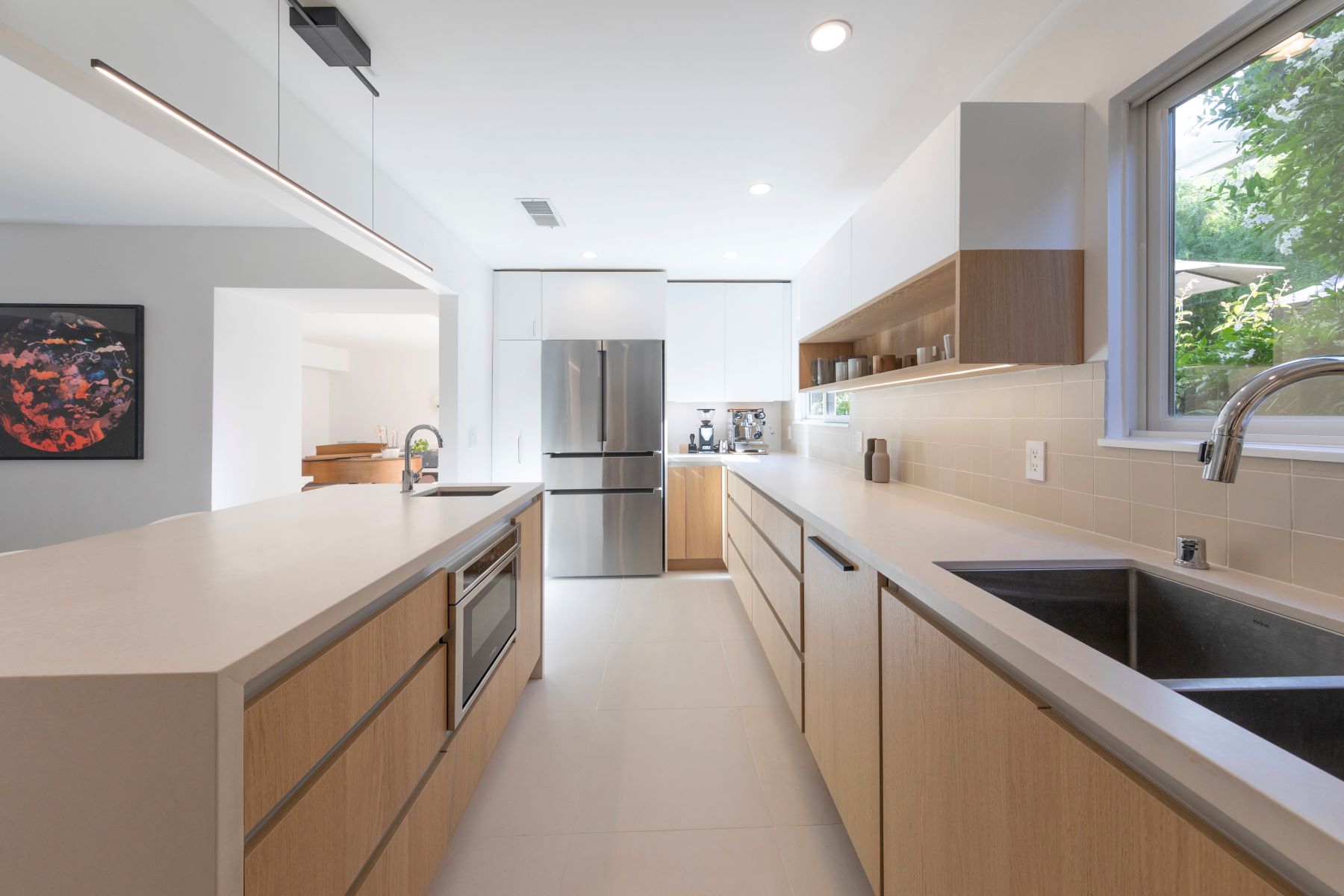
Once lighting is understood, it’s time to delve into the primary factors that differentiate cabinet finishes. This involves examining sheen and substrate materials, which both significantly affect appearance and performance.
Sheen: Matte vs Satin
Sheen levels, such as matte and satin, influence both the look and maintenance of cabinets. Matte finishes offer a smooth, non-reflective surface, ideal for contemporary styles, as they hide fingerprints and smudges well. Satin finishes, however, provide a subtle shine, adding depth and dimension to the surface.
Choosing between matte and satin often depends on lifestyle and cleaning preferences. For a busy kitchen, matte may require less upkeep. Conversely, satin finishes can brighten a space, reflecting more light, which is beneficial in smaller kitchens. Consider the overall aesthetic and practical needs when deciding which sheen best suits your space.
Substrate: Veneer vs Laminate
Substrates, the materials beneath a finish, play a critical role in durability and cost. Veneer, a thin layer of real wood, offers an authentic look and feel. It’s perfect for those seeking a genuine wood appearance without paying for solid wood. Laminate, composed of synthetic materials, provides a more budget-friendly option with a wide range of design possibilities.
Selecting between veneer and laminate often depends on budget and desired appearance. Veneer offers natural beauty but may require more care to maintain its look. Laminate, on the other hand, is durable and easier to clean, making it a practical choice for busy households. Understanding these differences is key to choosing the right material for your needs.
In-Showroom Testing Benefits
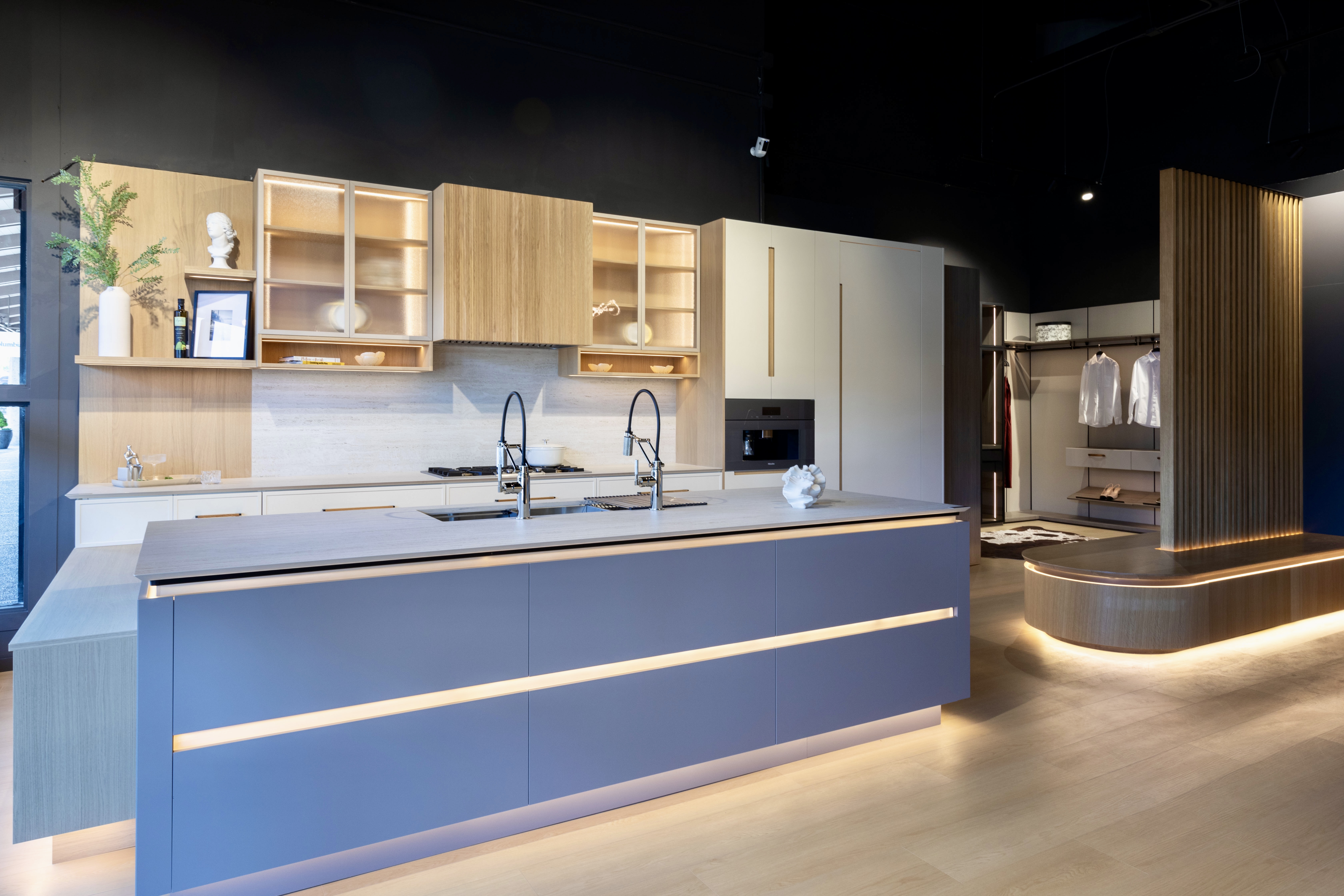
Testing finishes in a showroom environment can provide clarity and confidence in your final decision. It’s a chance to see how different lighting affects the appearance of finishes in real life.
High CRI Lighting Cabinets
Viewing cabinets under high CRI lighting in the showroom ensures that you’re seeing the true color and texture. This setup mimics natural daylight, allowing you to accurately assess finishes. It’s an opportunity to eliminate guesswork and make choices based on how they will truly appear in your home.
Most people don’t realize how much lighting impacts their choices until it’s too late. By testing in a high CRI environment, you can prevent costly mismatches and ensure your cabinets look perfect once installed. This step is a game changer in achieving satisfaction with your purchase.
Booking a Finish Reality Session
Consider booking a session to test finishes under real lighting conditions. These sessions are designed to provide a realistic view of how finishes will look in your home environment. They offer a hands-on experience, allowing you to compare options side by side.
A Finish Reality Session enables you to make informed decisions, reducing the risk of dissatisfaction post-installation. By focusing on real-life conditions, these sessions empower you to choose finishes that truly match your vision and lifestyle, ensuring long-term happiness with your investment.
Frequently Asked Questions
What is the difference between CCT and CRI?
CCT measures the color temperature of light, ranging from warm to cool tones. CRI indicates how accurately a light source displays colors compared to natural light. High CRI lighting is essential for accurate cabinet finish evaluation.
Why is high CRI lighting important in showrooms?
High CRI lighting allows you to see the true colors and textures of cabinet finishes, similar to natural daylight. It helps avoid surprises and ensures you select finishes that look great in your home.
Should I choose matte or satin finish cabinets?
Matte finishes hide fingerprints and smudges, ideal for busy kitchens, while satin finishes add subtle shine, enhancing light reflection. Your choice depends on your lifestyle and aesthetic preferences.
What are the benefits of using veneer cabinets?
Veneer cabinets offer the natural beauty of wood at a lower cost than solid wood. They provide an authentic look but may require more care compared to laminate options.
How do I book a Finish Reality Session?
Contact your local showroom to schedule a session. During the session, you’ll test different finishes under real lighting conditions, helping you make informed decisions and achieve the desired look in your home.