Most cabinetry brands talk about sustainability without showing proof. You want custom cabinets built with real materials, transparent processes, and finishes you can trust. Sustainable custom cabinetry means measurable standards—like CARB2 compliance and low VOC finishes—backed by clear data. Here’s how Ronbow lays out every detail so you can see exactly what you’re getting before you commit.
Sustainable Materials in Custom Cabinetry
When choosing custom cabinetry, understanding the sustainability of materials is crucial. Today, we’re diving into how eco-friendly choices can make a significant impact.
Choosing Solid Woods and Panels
Solid woods are a top choice for custom cabinetry. They provide strength and beauty while being renewable. Oak, maple, and cherry are popular options because of their durability and aesthetic appeal. Panels made from these woods ensure the cabinets will last for years. By selecting solid wood, you’re investing in a sturdy foundation for your cabinetry.
Another key material is engineered wood panels, like plywood and MDF. These are made using wood fibers and adhesives, offering a sustainable alternative. They use less wood overall and can be sourced from responsibly managed forests. Remember, the quality of materials directly affects the longevity and sustainability of your cabinets.
Understanding FSC Certification
FSC Certification is a mark of responsible forest management. Choosing FSC-certified wood ensures that the material is sourced sustainably. This certification guarantees that forests are managed in a way that preserves biodiversity and benefits local communities. It’s a straightforward way to ensure that your cabinetry materials are eco-friendly.
When you opt for FSC-certified wood, you’re not just getting high-quality material. You’re also contributing to a system that supports environmental and social responsibility. This certification helps protect forests for future generations, making your choice impactful.
NAF ULEF Adhesives Explained
Adhesives play a vital role in cabinetry construction. NAF (No Added Formaldehyde) and ULEF (Ultra-Low Emitting Formaldehyde) adhesives are crucial for healthy indoor air quality. These adhesives minimize harmful emissions, making your home safer for you and your family.
Using NAF and ULEF adhesives ensures that your cabinetry meets strict emission standards. These adhesives help create a healthier home environment by reducing pollutants. By choosing cabinets made with these adhesives, you’re prioritizing your family’s health and well-being.
The Sustainable Cabinetry Process

The process of crafting sustainable cabinetry involves meticulous steps designed to ensure quality and transparency throughout.
Local and Precise Manufacturing
Manufacturing locally in California means more than just supporting local economies. It translates to reduced transportation emissions and a smaller carbon footprint. Local manufacturing allows for precise control over the production process, ensuring top-quality cabinets.
Having production nearby also means faster delivery times and more flexibility in design changes. It provides direct oversight, ensuring each piece meets high standards for sustainability and craftsmanship.
Quality Assurance from Start to Finish
Quality assurance is a continuous process in cabinetry production. From the initial design to the final product, each step is monitored for quality. This includes using precision engineering techniques to ensure a perfect fit and finish.
By maintaining strict quality control, you can be confident that your cabinets will not only look great but also stand the test of time. This dedication to quality means fewer replacements and repairs, which is a win for sustainability.
Transparent Pricing and Service
Transparent pricing is essential when investing in custom cabinetry. Knowing exactly what you are paying for helps to build trust. A clear pricing structure means no hidden fees, which aligns with sustainable practices by encouraging informed decisions.
Service transparency also includes open communication about the materials and processes used. This openness allows you to understand the sustainability of your choices and their impact on the environment.
Durable and Eco-Friendly Finishes
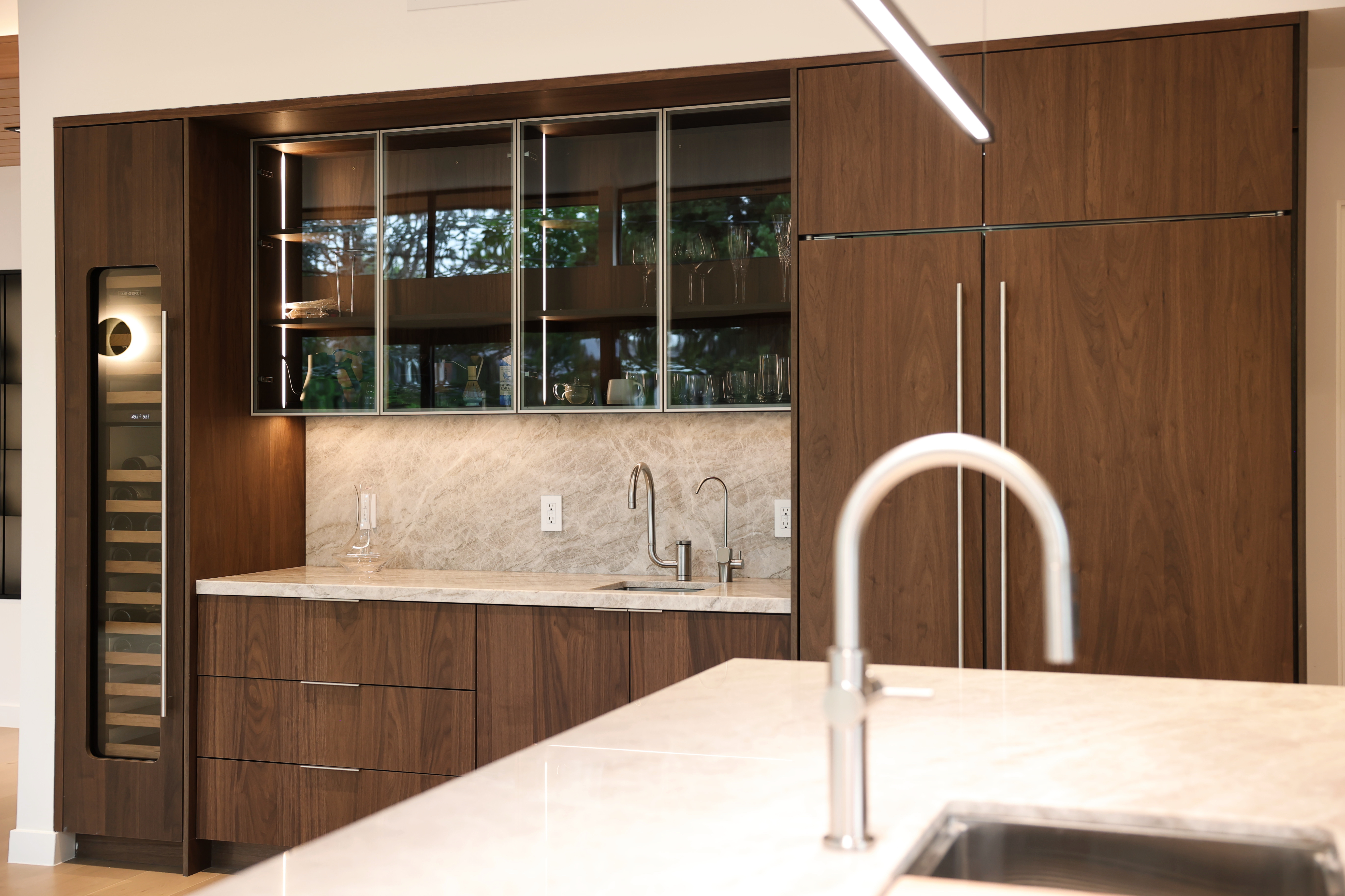
The finish on your cabinetry is both protective and aesthetic. Choosing the right finish is vital for sustainability and durability.
Exploring Low VOC Cabinet Finishes
Low VOC (Volatile Organic Compounds) finishes are essential for a healthier home environment. These finishes emit fewer harmful chemicals, making them a safer choice for indoor air quality.
Opting for low VOC finishes means you are reducing your exposure to toxins. This choice supports both your health and the environment by decreasing air pollution.
Benefits of Waterborne UV Finish Cabinets
Waterborne UV finishes offer durability and eco-friendliness. These finishes cure quickly under UV light, providing a hard, scratch-resistant surface. They are also water-based, reducing the reliance on harmful solvents.
Choosing waterborne UV finishes means your cabinets will stand up to daily use while maintaining their beauty. This sustainable choice ensures long-lasting protection without sacrificing environmental responsibility.
Cabinet Finish Durability Testing
Durability testing is crucial for ensuring that cabinet finishes withstand wear and tear. Rigorous testing simulates real-world conditions to confirm the finish’s resilience. This testing guarantees that your cabinets will maintain their appearance and functionality over time.
By understanding the durability of your cabinet finishes, you can make informed decisions that prioritize both aesthetics and longevity. This knowledge allows you to invest in cabinetry that meets your sustainability and quality standards.
Frequently Asked Questions
What is the significance of FSC certification for wood cabinets?
FSC certification ensures that the wood is sourced from responsibly managed forests, promoting environmental and social benefits. It guarantees sustainability and helps protect ecosystems for future generations.
Why are low VOC finishes important for cabinetry?
Low VOC finishes reduce harmful emissions, improving indoor air quality. They are safer for your health and the environment, making them an excellent choice for sustainable homes.
How does local manufacturing benefit sustainable cabinetry?
Local manufacturing reduces transportation emissions and carbon footprint. It allows for precise quality control and faster delivery, aligning with sustainable practices and supporting local economies.