Most homeowners face the same question when upgrading their kitchens: reface cabinets or replace? The choice isn’t just about looks—it affects your timeline, budget, and how long your cabinets will last. This guide breaks down cabinet refacing vs replacement with clear facts on structure, sustainable materials, and true costs. Read on to decide confidently and avoid costly surprises in your Bay Area remodel.
Understanding Key Differences
When you’re thinking about changing your cabinets, it’s crucial to know the main differences between refacing and replacing. This section will help you see what each option involves in terms of changes.
Structure and Layout Changes
If you want a whole new kitchen look, replacing your cabinets may be the way to go. When you replace, you can alter the layout to fit your needs. This might mean changing the positions of your cabinets or adding new ones. On the other hand, refacing keeps the structure the same. You only update the fronts and doors, which is quicker and requires less disruption in your home. Refacing is great if you love your current layout but want a fresh look.
Lifespan and Durability
Thinking about how long your cabinets will last is important. New cabinets can last for decades, especially if you choose high-quality materials. They also come with the benefit of modern features like soft-close hinges and slides. Refacing, while less intrusive, might not last as long. It’s suitable for cabinets that are still in good structural shape but need cosmetic updates. Refacing gives your kitchen a quick refresh without the full commitment of a replacement.
Timeline and Process
The time it takes to complete your cabinet project varies. Replacing cabinets is a bigger job and can take several weeks, from removing old cabinets to installing new ones. This includes waiting for the new cabinets to be manufactured, especially if you’re opting for custom designs. Refacing is usually faster. It often takes a few days, making it a great option if you’re short on time or want to minimize disruption to your kitchen routine.
Financial and Environmental Considerations
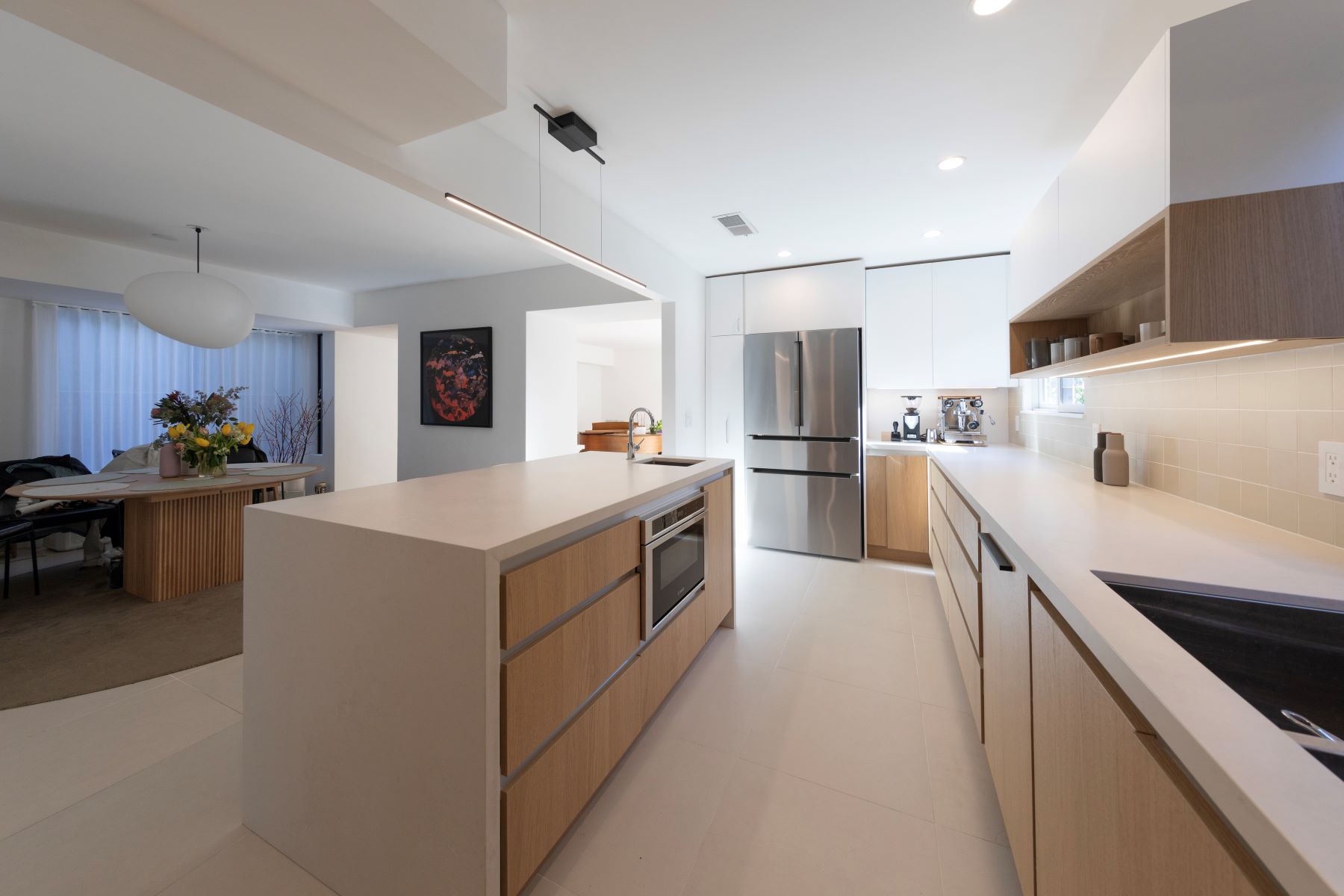
Understanding the financial and environmental impacts of your decision is key. This section will cover the costs and sustainability aspects of refacing versus replacing.
True Cost Analysis
Budget is a big factor in your decision. Replacing cabinets is generally more expensive. This is due to the cost of new materials and installation. Refacing is more budget-friendly because you use existing structures. It’s a cost-effective way to update your kitchen, especially if you’re happy with the current setup. However, remember that refacing might not add as much long-term value to your home as a full replacement.
Sustainability Factors
If you’re thinking green, consider the environmental impact. Refacing is more sustainable because it uses fewer materials and reduces waste. You’re reusing the existing cabinet boxes, which means less goes to the landfill. Moreover, choosing waterborne finishes and FSC wood cabinets can boost your kitchen’s eco-friendliness. For those opting for replacements, look for local cabinet makers in the Bay Area who prioritize sustainable practices.
Making the Right Choice
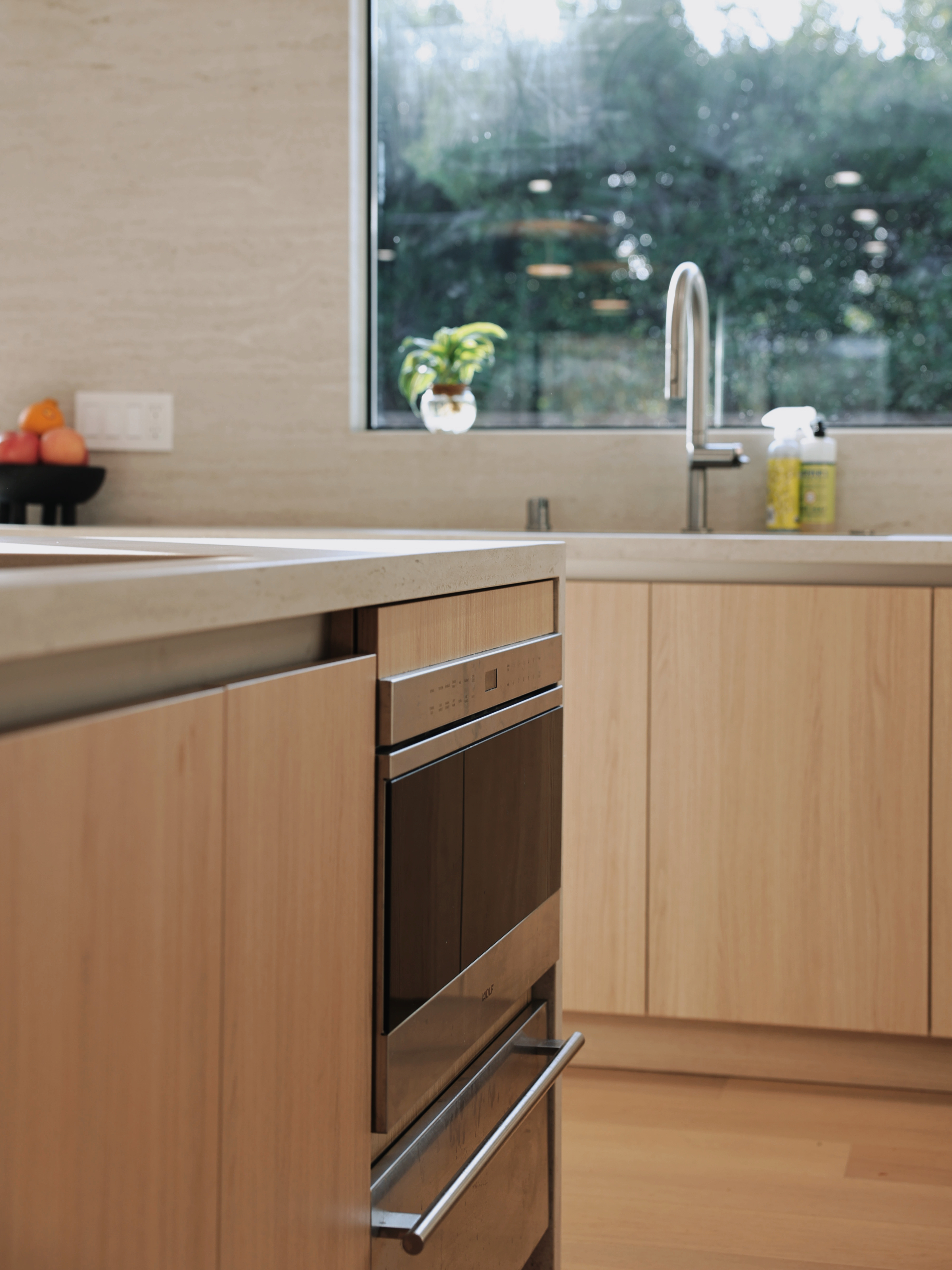
Choosing between refacing and replacing your cabinets depends on several factors. This section will guide you through evaluating your needs and exploring custom options.
Consultation and Evaluation
Before making a decision, consult with a professional. They can assess your current cabinets and suggest the best course of action. A showroom visit can also provide insights into different styles and materials available. It’s important to discuss your goals and budget during this consultation. This step ensures you make an informed decision that aligns with your needs.
Custom Solutions and Personalization
Customizing your cabinets lets you tailor your kitchen to your lifestyle. If you’re leaning towards replacement, consider custom cabinets made in California. They provide a chance to incorporate unique features and finishes. This option offers a personal touch that standard designs may lack. Reface projects can also include custom door fronts and finishes, giving you a new look without a full overhaul.
Frequently Asked Questions
What is the main difference between refacing and replacing cabinets?
Refacing involves updating the cabinet doors and fronts while keeping the structure intact. Replacing means removing the old cabinets and installing new ones, allowing changes to layout and structure.
How long does cabinet refacing take compared to replacement?
Refacing usually takes a few days, making it quicker than replacing, which can take several weeks due to the time needed for manufacturing and installation.
Is refacing more environmentally friendly than replacing?
Yes, refacing is more sustainable because it uses existing materials, reducing waste and the need for new resources.
What should I consider when deciding between refacing and replacing?
Consider your budget, timeline, current cabinet condition, and how much change you want in your kitchen’s layout and style.
Can refacing add value to my home like replacing?
While refacing is cost-effective and quicker, replacing can add more long-term value due to new materials and the potential for layout changes.
Pingback: IKEA Kitchen Cabinets vs California Made-to-Order: Fit, Timeline, and Total Cost for Bay Area Remodels | RONBOW
Pingback: Home Depot Kitchen Cabinets vs. California‑Made, Made‑to‑Order: What Bay Area Remodels Need to Know | RONBOW
Pingback: Replace Cabinet Doors or Start Fresh? A Precise Guide for Bay Area Kitchens | RONBOW