Most cabinetry brands boast sustainability, but few back it with clear, measurable proof. You deserve more than a label—you need facts you can check yourself. Our California-made sustainable cabinetry offers documented specs on FSC-certified wood, formaldehyde emissions, and low-VOC finishes. Keep reading to learn how to verify these claims and why seeing the materials in person makes all the difference.
Proving Sustainability in Cabinetry
Don’t settle for vague claims about eco-friendly cabinets. Dive deep into the actual proof that sets truly sustainable options apart, and discover how to verify these claims for yourself.
Verifying Sustainable Material Claims
When looking at sustainable cabinetry, the materials used make all the difference. For real assurance, check for FSC-certified wood. This certification shows that the wood comes from responsibly managed forests. Many cabinets claim to be eco-friendly, but FSC certification offers tangible proof. To go further, examine EPD cabinetry. An Environmental Product Declaration (EPD) outlines a product’s impact on the environment, giving you clear, quantifiable data. This transparency helps you make informed choices for your home.
Understanding Formaldehyde Emission Standards
Formaldehyde emissions are a major concern in cabinetry. Look for products that comply with CARB Phase 2 and TSCA Title VI standards. These regulations limit formaldehyde emissions, ensuring the air in your home remains safe. Not all cabinets meet these stringent requirements, so it’s crucial to verify compliance. By choosing products with these certifications, you’re prioritizing your family’s health and aligning with best practices for indoor air quality.
Evaluating Local Manufacturing Benefits
Choosing locally made cabinets is not just about supporting local businesses. It’s also about reducing your environmental footprint. California-made cabinets offer transparency in the supply chain, ensuring that you know the origins of each component. Moreover, local manufacturing often means shorter delivery times and better quality control. This choice supports sustainability by minimizing transportation emissions and bolstering the local economy.
Transparent Cabinet Construction
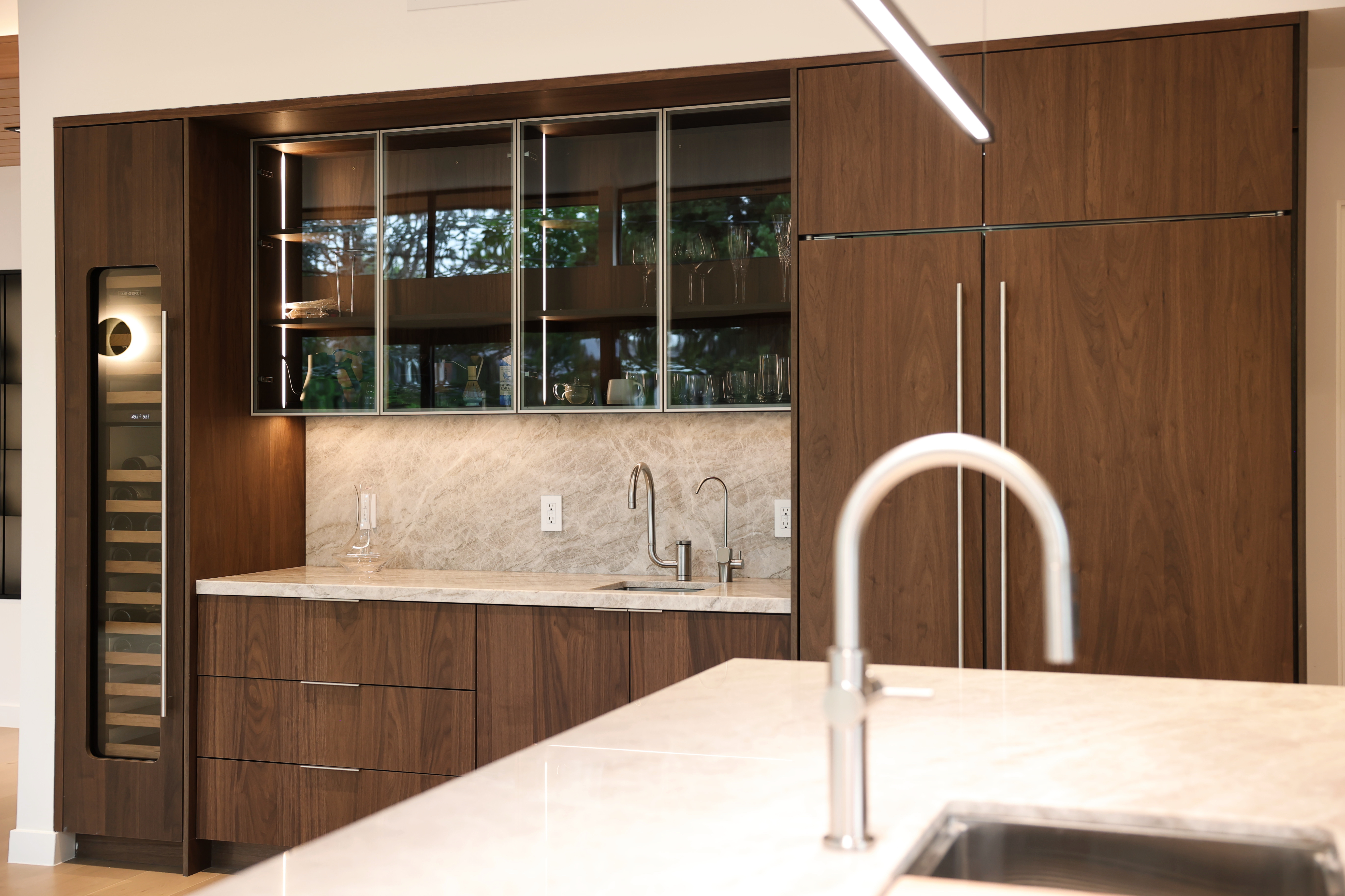
The integrity of your cabinetry is as crucial as its sustainability claims. Understanding the construction process can unveil the true quality and durability of your cabinets.
Chain of Custody and FSC Certification
Chain of custody certification is your assurance that the wood used in your cabinets is responsibly sourced. With FSC-certified wood cabinets, you can trust that the entire supply chain, from forest to final product, follows sustainable practices. This certification ensures that all parties involved in the production process adhere to strict environmental and social standards, providing peace of mind with every purchase.
Assessing Non-Toxic Finishes
The finish of your cabinets impacts not only their appearance but also indoor air quality. Look for low-VOC cabinet finishes and non-toxic kitchen cabinets. These options minimize harmful emissions, making your home a healthier place. By selecting finishes that meet these criteria, you reduce your exposure to volatile organic compounds, contributing to a safer and more pleasant home environment.
Hardware Durability and Testing
Durable hardware is essential for long-lasting cabinetry. Check for products that undergo cabinet hardware cycle testing. This type of testing ensures that components like hinges and drawer slides can withstand frequent use. Quality hardware guarantees that your cabinets will remain functional and visually appealing for years to come, adding to the overall value and sustainability of your investment.
Engaging with Sustainable Design
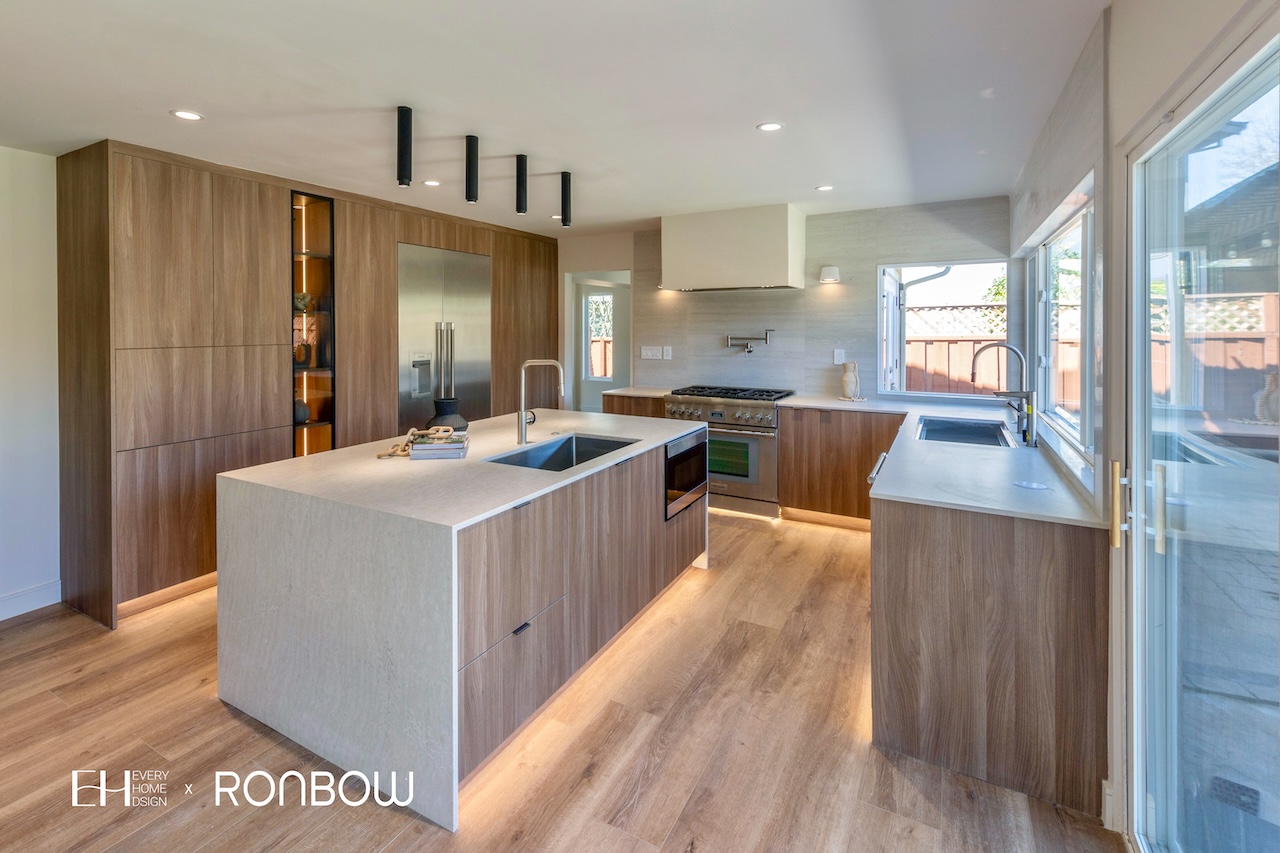
Seeing sustainable cabinetry in person can solidify your decision, allowing you to trust the quality and sustainability claims.
Scheduling a Showroom Consultation
Nothing beats the firsthand experience of seeing potential cabinets in person. Visit a showroom to explore the materials and finishes. This interaction helps you confirm the quality and sustainability claims. A hands-on consultation provides an opportunity to discuss your specific needs with experts and gain insights that aren’t possible through online research alone.
Reviewing Sustainability Documentation
Before finalizing your purchase, request documentation of sustainability claims. Look for certifications and test results that support the eco-friendly attributes of the cabinets. This documentation serves as a tangible assurance of the product’s impact on the environment. By reviewing these details, you ensure that you’re making a responsible choice that aligns with your values.
Hands-On Material Assessment
In a showroom, you can physically assess the materials. Feel the texture and weight of the wood, inspect the finishes, and test the hardware. This hands-on evaluation confirms the durability and quality of the cabinetry. Experiencing the product firsthand allows you to make an informed decision, ensuring that your new cabinets will meet both your aesthetic and practical needs.
Frequently Asked Questions
How can I verify if my cabinets are made from sustainable materials?
Look for certifications like FSC and EPD that provide documented proof of sustainable sourcing and environmental impact.
What are the benefits of local cabinet manufacturing?
Local manufacturing reduces transportation emissions and supports the local economy, offering transparency and often higher quality control.
Why is formaldehyde emission compliance important?
Compliance with CARB Phase 2 and TSCA Title VI standards ensures the safety of your indoor air quality, protecting your family’s health.