Most “sustainable cabinetry” claims stop at buzzwords and pretty labels. You deserve more than promises—you need proof. We break down exactly what eco-friendly cabinets must deliver, with real data on low-VOC finishes, formaldehyde emissions, and responsible timber sourcing. Ready to see the facts side by side? Book a Sustainability Proof Session at our California showroom and check every spec with your own eyes.
Verifying Sustainable Cabinetry
The journey to sustainable cabinetry starts with understanding what makes cabinets truly eco-friendly. It’s not just about labels but about the life cycle and materials used. Let’s explore the essentials.
Understanding Eco-Friendly Cabinets
Eco-friendly cabinets are made from sustainable materials, emit fewer pollutants, and have a lower carbon footprint. They should support healthier indoor air quality and be durable enough to last for years. This means they need to be crafted with care and precision, using responsibly sourced materials and finishes that don’t harm the environment.
Key Proofs for Low-VOC Finishes
Low-VOC finishes are crucial for maintaining healthy indoor air quality. These finishes emit fewer volatile organic compounds, which can be harmful. When choosing cabinets, always check for certifications that demonstrate low-VOC levels. This ensures the air in your home remains clean and safe for your family.
CARB Phase 2 Compliance Explained
CARB Phase 2 compliance is a standard set by the California Air Resources Board. It limits formaldehyde emissions from composite wood products. Cabinets compliant with CARB Phase 2 contribute to a healthier home environment by reducing exposure to harmful chemicals.
Material Sourcing and Emissions
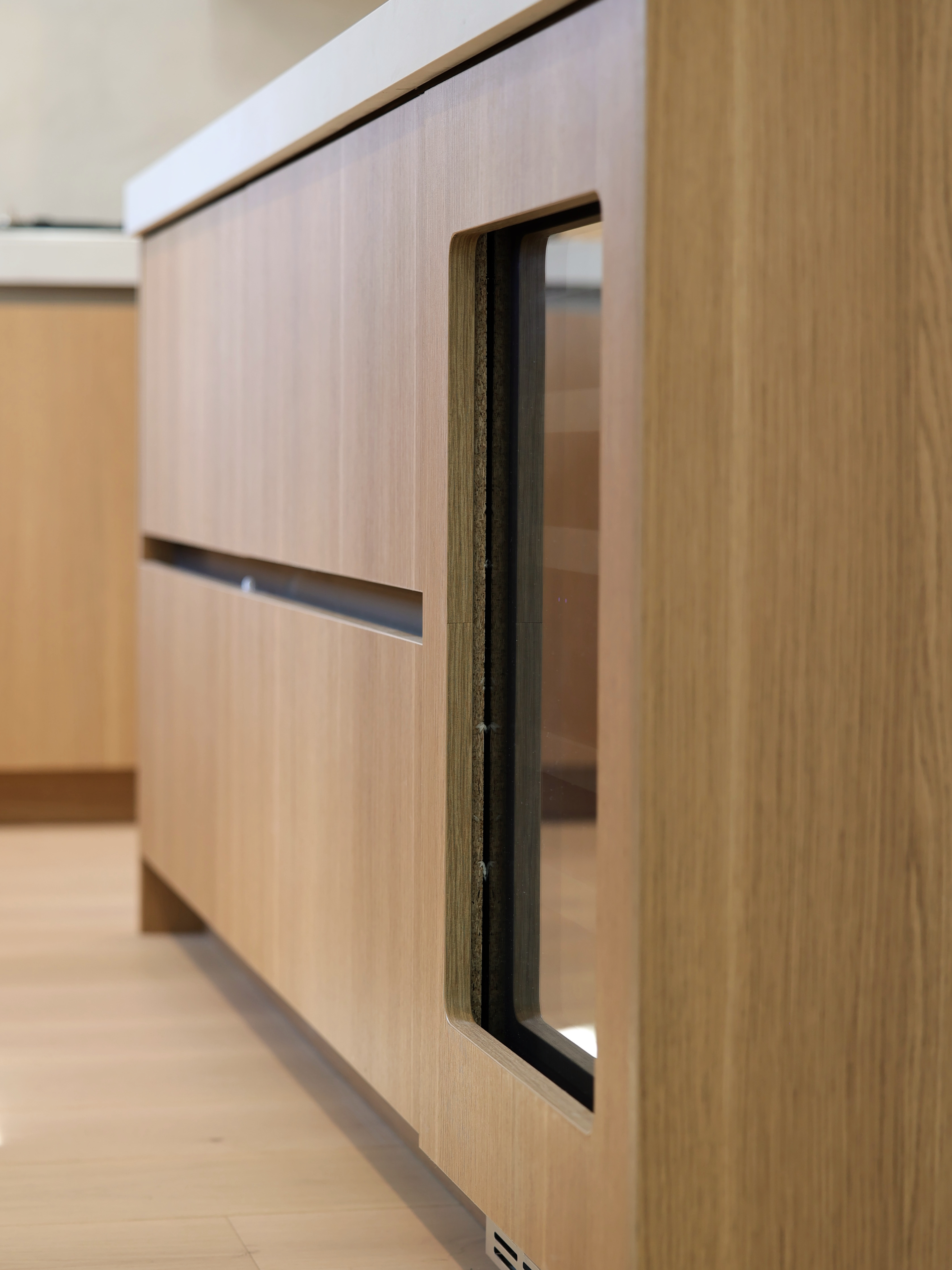
Sourcing materials responsibly and understanding emissions are key aspects of sustainable cabinetry. It’s about choosing materials that are kind to the planet and safe for your home.
FSC Certified Wood and Chain-of-Custody
The Forest Stewardship Council (FSC) certification ensures that the wood used in cabinets comes from responsibly managed forests. This certification tracks the wood from the forest all the way to the final product, guaranteeing sustainable sourcing practices.
Formaldehyde Emissions and Testing
Formaldehyde is a common concern in home products. Testing for formaldehyde emissions ensures that levels are within safe limits, reducing health risks. Look for cabinets that have undergone rigorous testing to confirm low emissions.
Zero Added Urea-Formaldehyde Benefits
Using zero added urea-formaldehyde resins in cabinet construction is a significant step toward reducing harmful emissions. This choice leads to cleaner indoor air and a healthier living environment for you and your family.
Quality and Durability Standards
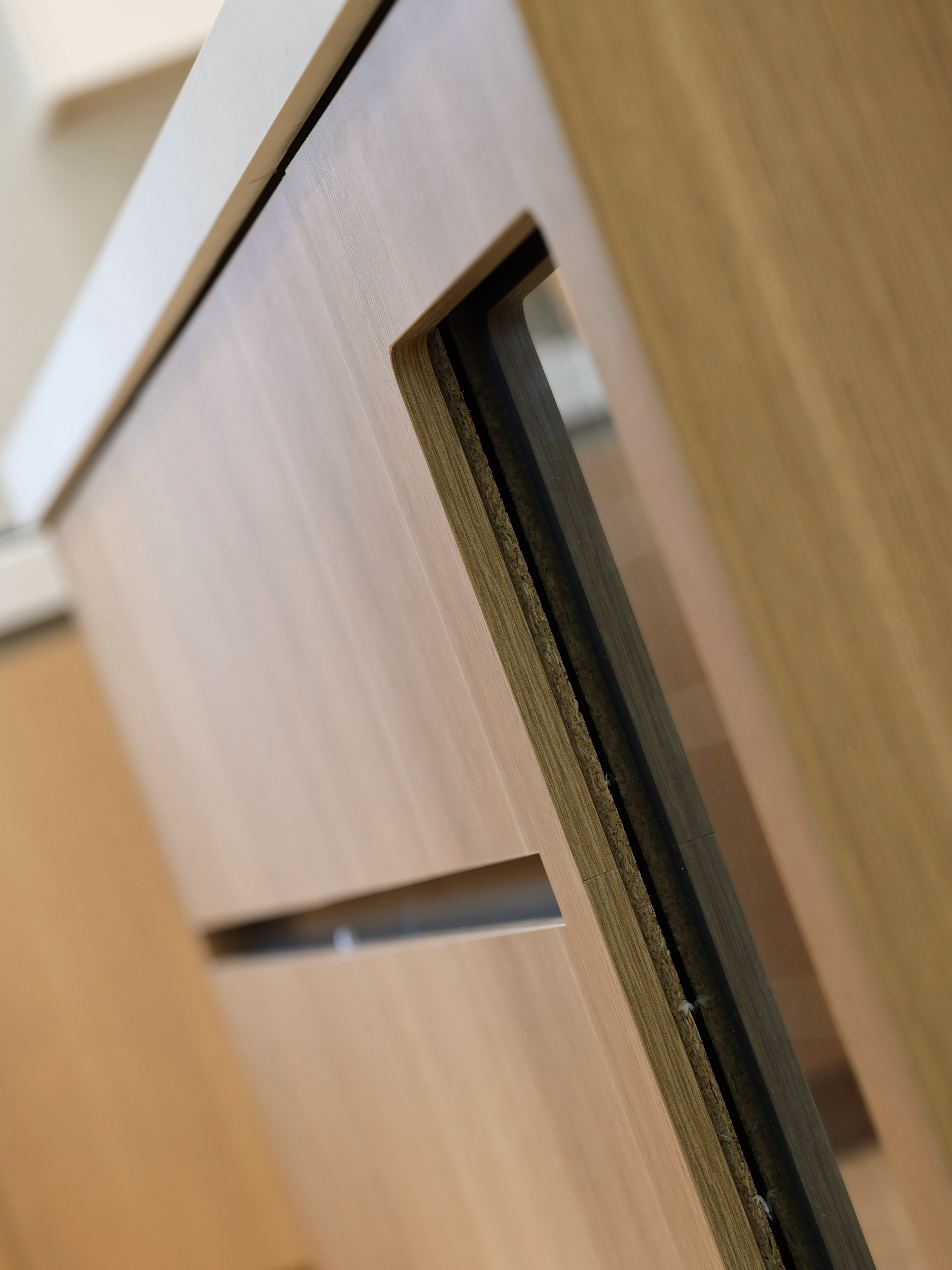
Sustainable cabinetry should also stand the test of time. Quality and durability are as important as the materials and finishes used.
Custom Cabinets in the Bay Area
Custom cabinets offer flexibility in design and materials, often resulting in higher quality outcomes. When crafted locally, such as in the Bay Area, you benefit from reduced transportation emissions and the ability to oversee the production process closely.
Lifecycle Assessment and EPD
A lifecycle assessment (LCA) evaluates the environmental impact of a product throughout its life. An Environmental Product Declaration (EPD) provides this information transparently, helping you make informed decisions about your cabinetry.
Indoor Air Quality and Non-Toxic Options
Choosing non-toxic cabinetry options enhances indoor air quality significantly. Cabinets with non-toxic finishes and materials prevent harmful chemicals from circulating in your home, ensuring a safer environment for your family.
Frequently Asked Questions
What makes cabinetry sustainable?
Sustainable cabinetry is made from eco-friendly materials, such as FSC-certified wood, and uses low-VOC finishes. It’s designed to minimize environmental impact and enhance indoor air quality.
How can I verify low-VOC levels in cabinets?
Look for certifications that specify low-VOC emissions. These certifications ensure that the cabinets comply with standards that minimize harmful chemical releases into your home.
Why is CARB Phase 2 compliance important?
CARB Phase 2 compliance reduces formaldehyde emissions from composite wood products, contributing to healthier indoor air and reducing exposure to harmful chemicals.
What is the benefit of using zero added urea-formaldehyde in cabinets?
Using zero added urea-formaldehyde in cabinets minimizes harmful emissions, significantly improving indoor air quality and promoting a healthier living environment.
Why choose custom cabinets from the Bay Area?
Custom cabinets from the Bay Area offer tailored design options and support local manufacturing, reducing transportation emissions and encouraging sustainable practices.