Cabinet proposals often hide details that cost you time and money down the line. You might think every bid shows the same specs, but subtle differences can lead to surprise fees and frustrating change orders. This cabinet proposal checklist lays out 21 critical items to verify before you sign, helping you compare bids fairly and avoid hidden costs. Stick with us to see how a clear, spec-first approach can protect your remodel and why visiting our showroom for a hands-on Proposal Audit makes all the difference.
Essential Checks for Cabinet Proposals
Navigating cabinet proposals can feel daunting, but a keen eye for detail can save you time and money. This checklist ensures that you avoid common pitfalls.
Spec Verification for Quality Assurance
Before signing off, verify the specifications. Look at materials, finishes, and craftsmanship. Check if they include dovetail drawer boxes and Blum soft-close hinges for longevity. Consider the finish system—does it use conversion varnish or a waterborne finish with matte sheen? These details can significantly affect durability. Always ensure the cabinets are CARB2 compliant or meet TSCA Title VI standards for safety. This spec check is crucial for a reliable and lasting investment.
Hidden Costs to Watch Out For
Proposals can often mask hidden costs. Be on the lookout for items like scribe and filler details. Are appliance panel specs included, or will they incur extra charges? Check the scope of work to understand what’s covered. Field measure tolerance should be part of the bid, ensuring no nasty surprises later. Double-check if the price includes delivery and installation, as these can add unexpected costs.
Comparing Bids Effectively
When comparing bids, ensure you’re evaluating apples to apples. Consider the lead time for cabinets: how long will they take to arrive? Verify installation scope of work to understand what each bid includes. Transparency in pricing is key. Make sure warranties are clear—do they cover the essentials, and for how long? Price transparency in cabinets helps you make informed decisions, avoiding costly change orders down the line.
Key Elements in Proposal Review
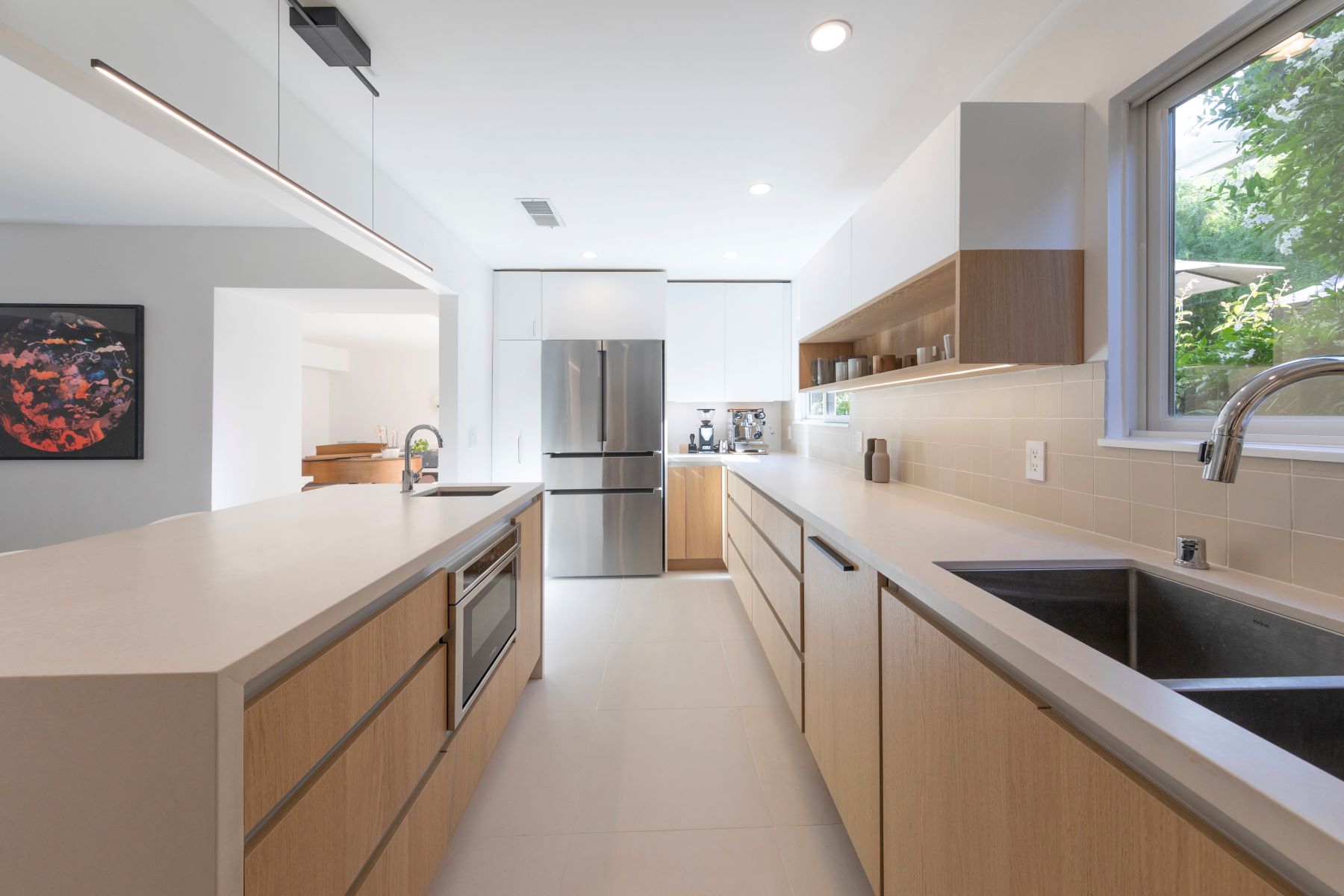
A thorough proposal review is your best defense against surprises. Understand the critical elements and make informed choices.
Understanding Shop Drawings and Approvals
Shop drawings are your blueprint to a successful project. They provide a detailed visual representation of the finished cabinet. Ensure these are accurate and approved before production starts. Any discrepancies between shop drawings and actual installations can lead to costly errors. Approvals must be secured promptly to keep the project on track and prevent delays.
Assessing Lead Time and Installation Scope
Lead time is a crucial factor in your project timeline. Typically, custom cabinets in California have a lead time of 6-8 weeks from signoff of final drawings. Confirm this timing aligns with your project needs. The installation scope of work should be clearly outlined. This includes specifics on what the installer will do, such as securing cabinets to walls and aligning them properly. Knowing these details up-front avoids future frustrations.
Warranty and Price Transparency Insights
Warranties provide peace of mind, ensuring cabinets will stand the test of time. Check for lifetime warranties or maintenance programs extending to 10 years. Price transparency is equally important. Ensure there are no hidden fees and that the pricing reflects all work and materials included in the proposal. This clarity helps prevent unwanted budget surprises.
In-Showroom Consultation Benefits
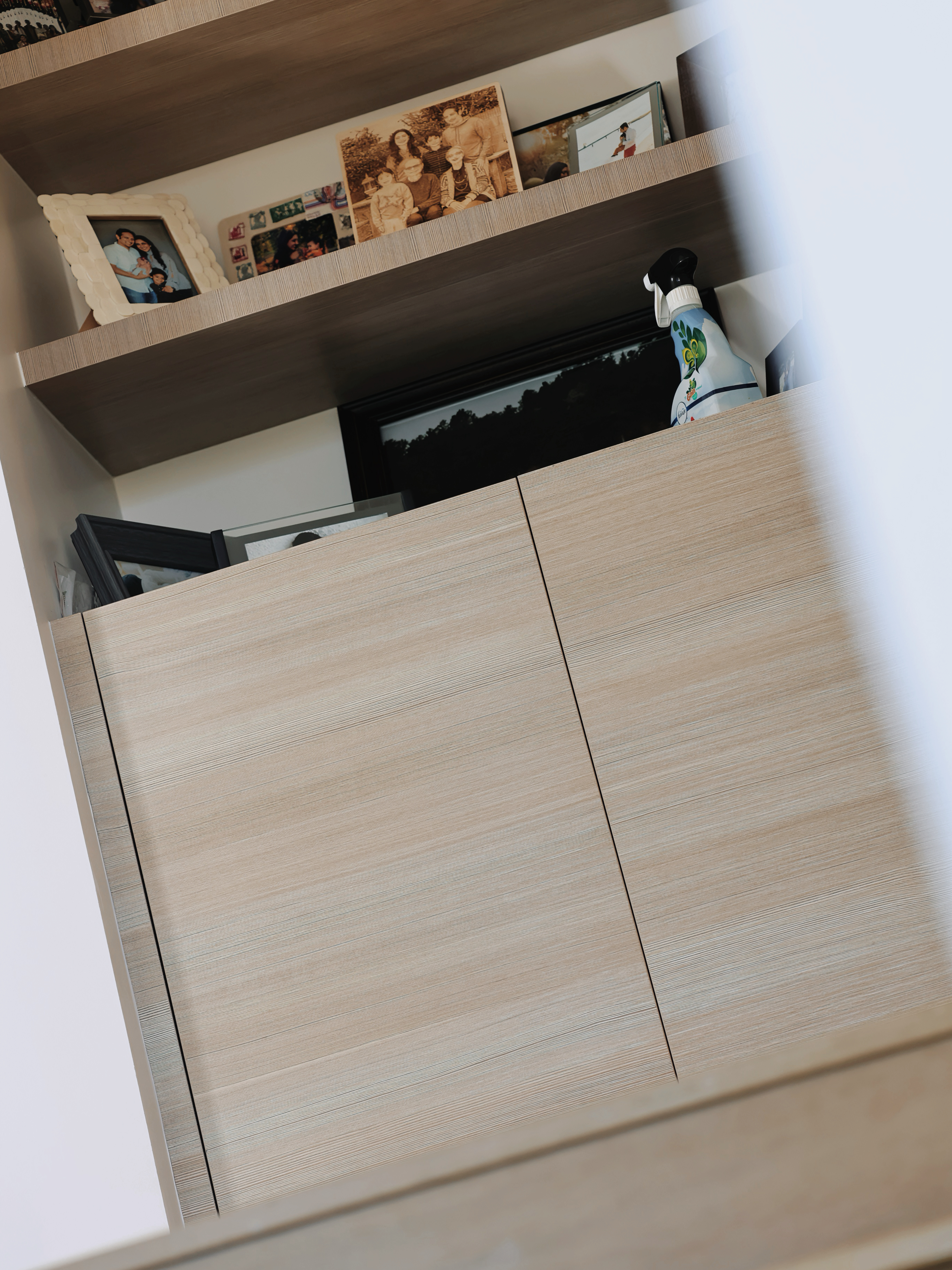
Visiting a showroom offers tangible insight into what you’re buying. It allows you to see and feel the quality firsthand.
Engaging with a Local Cabinet Manufacturer
Local manufacturers offer unique advantages. They provide the opportunity to engage directly with the team responsible for your project. This personal connection fosters trust and ensures accountability. Local production often means quicker turnaround times and better communication. Plus, supporting local businesses strengthens the community.
Hands-On Material and Hardware Verification
In a showroom, you can verify materials and hardware. Feel the weight of the doors, examine the finishes, and test the hinges. This hands-on approach assures you of the quality and durability of what you’re purchasing. It also allows you to see the different options available, helping you make an informed decision tailored to your specific needs.
Planning for Custom Cabinets in California
Planning custom cabinets requires thought and precision. A showroom visit provides a clear understanding of design possibilities and constraints. It helps in aligning your vision with what’s feasible within your space and budget. Engage with designers to optimize your layout and functionality, ensuring your dream project comes to life seamlessly.
Frequently Asked Questions
What should I look for in cabinet specifications?
Focus on key elements like material quality, finish type, and hardware details. Ensure all components meet safety standards.
How can I avoid hidden costs in cabinet proposals?
Scrutinize the proposal for scribe and filler inclusion, scope of work, and any extra fees related to delivery and installation.
Why is visiting a showroom beneficial?
It allows you to interact with the product directly, verifying quality and exploring design options with knowledgeable staff.
By following this checklist, you’re well-equipped to make confident choices in your cabinet project, ensuring it fits your vision and budget seamlessly.