Choosing custom cabinetry for your Bay Area remodel demands more than style—it requires clear, measurable choices that stand the test of daily use. You need cabinets engineered for your space, built locally in California with precise craftsmanship and transparent pricing. This guide strips away the guesswork, revealing exactly what to consider—from layout and materials to hardware and timelines—so your remodel flows smoothly. Ready to see how precision manufacturing cabinets can fit your project?
Understanding Custom Cabinetry Needs
Custom cabinetry is more than just a design choice—it’s a functional necessity that impacts your daily home life. Let’s start by looking at how to assess your space and choose the right materials.
Assessing Kitchen Layout Options
When it comes to kitchen layouts, the right choice maximizes workflow and storage. Begin by sketching out your kitchen’s current layout. Consider the work triangle—sink, stove, and refrigerator placement—to ensure efficient movement. If space allows, think about adding an island for extra prep space and seating. For smaller kitchens, consider open shelving instead of upper cabinets to create an airy feel. Remember, a well-planned layout not only enhances functionality but also adds value to your home.
Selecting Quality Materials
The materials you choose for your cabinets will determine their longevity and appearance. Solid wood is a popular choice for its durability and natural beauty. Options like maple, oak, and cherry are robust and timeless. For a more budget-friendly option, consider plywood with a veneer finish. This choice still offers a high-quality look without breaking the bank. Be wary of particle board, as it is less durable and can swell with moisture exposure. Always prioritize materials that align with your lifestyle and aesthetic preferences.
Ensuring Finish Durability
A cabinet’s finish plays a crucial role in its durability and maintenance. High-quality finishes protect against stains and moisture, ensuring your cabinets look new for years. Opt for finishes that are easy to clean and resistant to chipping. Glossy finishes are easier to wipe down, while matte finishes can hide minor scratches. If eco-friendliness is a priority, choose water-based finishes with low VOCs. They are safer for your home and the environment, and they still provide excellent protection.
Key Features and Specifications
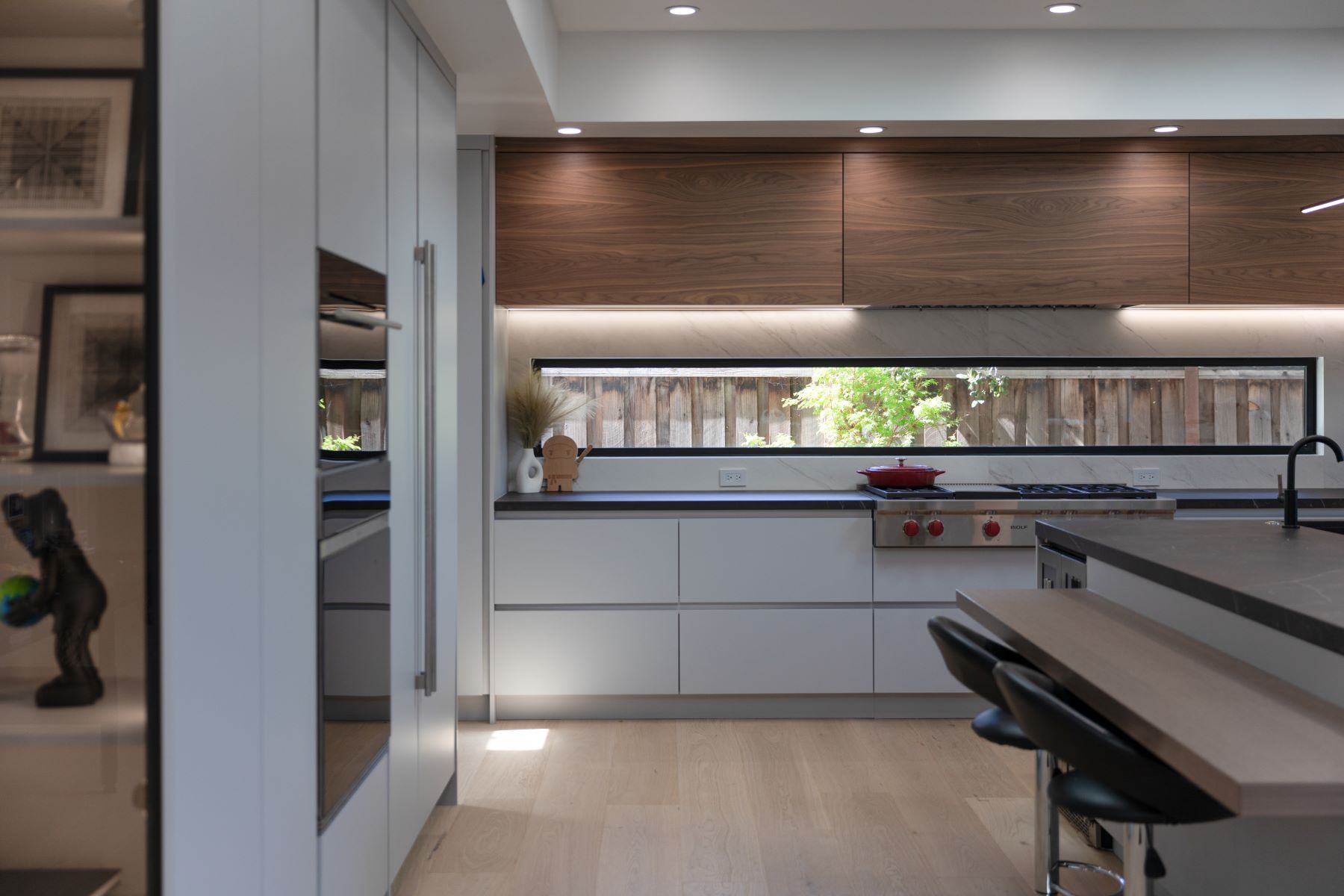
Understanding the specifications of your cabinetry can dramatically affect its performance and longevity. Let’s explore what to consider in hardware, environment, and timeline planning.
Evaluating Hardware Specs
Hardware is the backbone of cabinet functionality. Look for soft-close hinges and slides to prevent slamming and extend the lifespan of your cabinets. European-style hinges offer a clean look with adjustable features for perfect alignment. Quality hardware like stainless steel or brass resists rust and can handle heavy daily use. Remember, investing in top-notch hardware can save money in the long run by reducing repair needs.
Planning Installation Environment
Consider the environment where your cabinetry will be installed. Kitchens and bathrooms, for example, are high-moisture areas that can affect cabinet materials over time. Ensure proper ventilation and choose moisture-resistant materials to avoid warping and mildew. Lighting is another factor; under-cabinet lighting can enhance both functionality and ambiance. Plan for these environmental factors early to avoid complications later.
Managing Timeline Expectations
Setting realistic timeline expectations is crucial to a smooth renovation process. After finalizing your design, expect a production time of six to eight weeks for custom cabinetry. This timeline ensures attention to detail and quality craftsmanship. Factor in additional time for delivery and installation. Communicate clearly with your contractor to sync schedules and avoid delays. Remember, rushing the process can compromise quality.
Benefits of Local Manufacturing
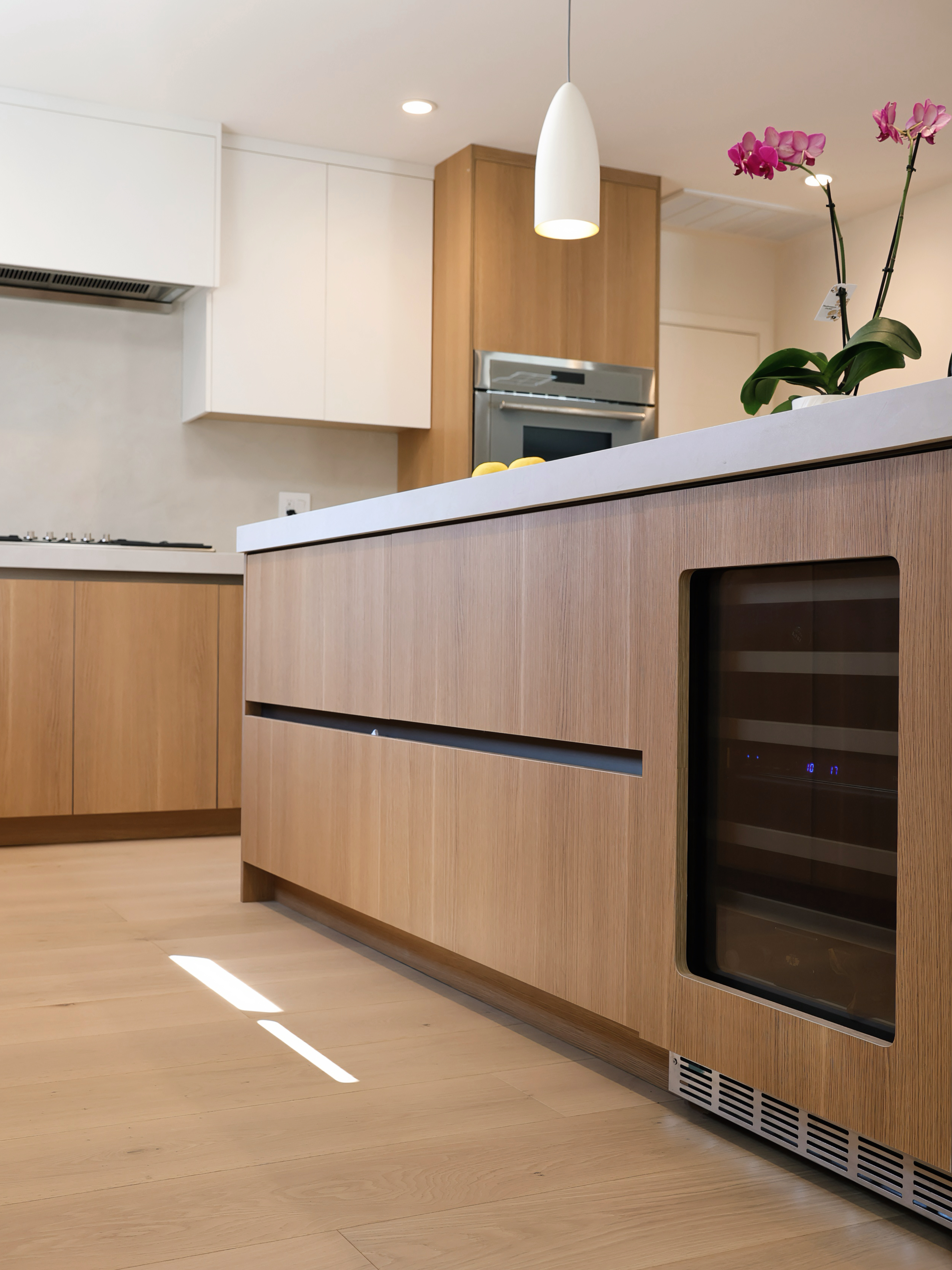
Choosing locally manufactured cabinets offers unique advantages, from quality assurance to sustainability.
Advantages of California-Made Cabinets
California-made cabinets offer unmatched quality control and faster delivery times. Since they are crafted locally, there is less risk of damage during transit. Local manufacturers, like those found in the Bay Area, understand the regional aesthetic and can tailor designs accordingly. Plus, supporting local businesses strengthens the community and boosts the local economy.
Exploring Sustainable Cabinetry Choices
Sustainability is a priority for many homeowners. Look for cabinets made from sustainably sourced wood and finishes with low environmental impact. Many California manufacturers use eco-friendly practices, minimizing waste and reducing carbon footprints. Choosing sustainable options not only benefits the environment but also enhances indoor air quality for a healthier home.
Booking a Local Cabinet Showroom Consultation
To experience the quality and craftsmanship of local cabinets firsthand, book a consultation at a nearby showroom. This allows you to see and feel the materials, finishes, and hardware options available. Discuss your project with experts and gain insights tailored to your specific needs. A showroom visit can inspire new ideas and ensure you make informed decisions.
Frequently Asked Questions
What are the best materials for kitchen cabinets?
Solid wood like maple, oak, and cherry offer durability and timeless appeal. For a budget-friendly option, consider plywood with a veneer finish. Avoid particle board, as it is less durable.
How can I ensure my cabinets are durable?
Choose high-quality finishes that resist stains and moisture. Opt for durable hardware like stainless steel or brass, and consider moisture-resistant materials for high-moisture areas.
Why choose local manufacturing for cabinets?
Local manufacturing offers better quality control, faster delivery times, and designs tailored to regional aesthetics. It also supports the local economy and community.
How long does it take to get custom cabinets made?
Expect a production time of six to eight weeks after finalizing the design. Additional time should be considered for delivery and installation.
What is soft-close hardware?
Soft-close hardware prevents slamming, extending the lifespan of your cabinets. It includes features like soft-close hinges and slides, offering a smoother and quieter operation.