Choosing custom cabinets rarely goes as smoothly as you hope. You might think all custom cabinets Bay Area options are alike—until hidden materials or vague lead times throw your remodel off track. This guide cuts through the noise with clear facts on construction, hardware, and tolerances, so you avoid surprises and gain confidence. Keep reading to learn how an in-person showroom consultation can make all the difference for your California made cabinets project.
Understanding Cabinet Materials
To ensure confidence in your cabinet choices, start by understanding the materials used. This can prevent unexpected issues later on.
Solid Wood vs Veneer
Solid wood cabinets offer a classic, robust option. They’re durable and can be refinished, meaning they last longer. On the other hand, veneer cabinets provide a sleek look without the cost of solid wood. Veneers are thin layers of wood glued to a core, offering similar aesthetics to solid wood but at a lower price. They are less prone to expansion and contraction, which can be a concern with solid wood in humid environments. However, they might not withstand heavy wear over decades like their solid counterparts.
Plywood vs Particleboard Cabinets
Plywood cabinets are made from layers of wood veneer glued together. This structure makes them strong and less likely to warp or crack. They handle weight well, making them ideal for heavy countertops. Particleboard, however, is made from wood chips glued together. It’s a budget-friendly alternative but is less sturdy than plywood. While fine for light cabinetry, particleboard is more susceptible to moisture damage. Choosing between these materials involves considering long-term durability versus upfront cost.
Key Features of Engineered Cabinetry
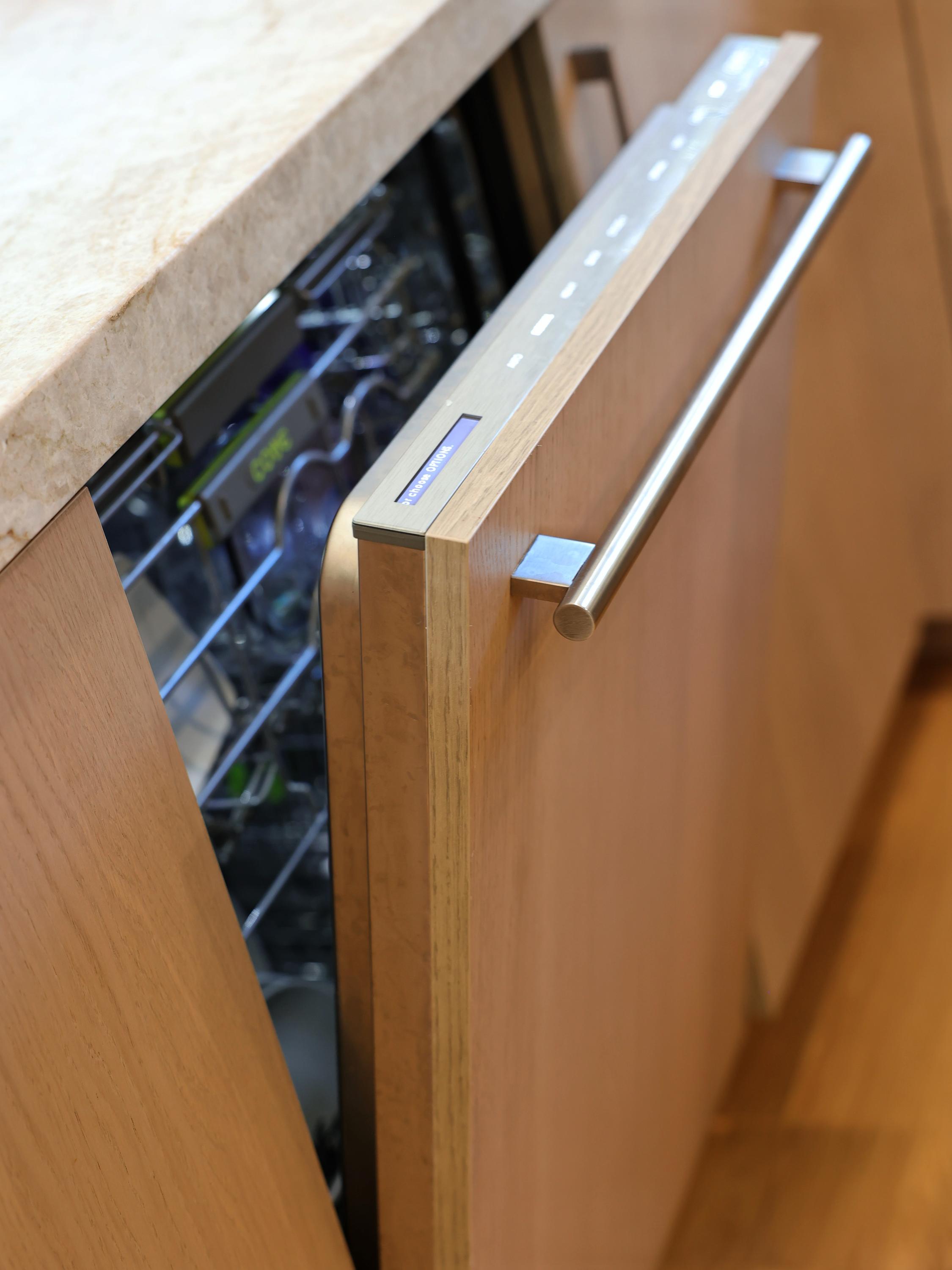
Beyond materials, consider the engineering aspects of your cabinets. This includes hardware and construction tolerances.
Soft Close Hinges and Hardware
Soft close hinges are a popular feature, offering a silent, smooth closing action that prevents slamming. This prolongs the life of your cabinets by reducing stress on the doors and frames. Quality hardware is crucial for functionality and longevity. Consider investing in high-grade metals that resist rust and wear over time. This small detail can significantly enhance the usability and lifespan of your cabinetry.
Importance of Cabinet Tolerances
Cabinet tolerances refer to the precision in the construction and installation of your cabinets. Tight tolerances mean your cabinets fit perfectly, reducing gaps and ensuring even lines. This precision is vital for both aesthetics and function, preventing issues like doors not closing properly. Accurate tolerances also mean less room for error during installation, leading to fewer surprises. This is an aspect often overlooked but can make a big difference in the overall satisfaction with your cabinetry.
Navigating the Cabinet Selection Process
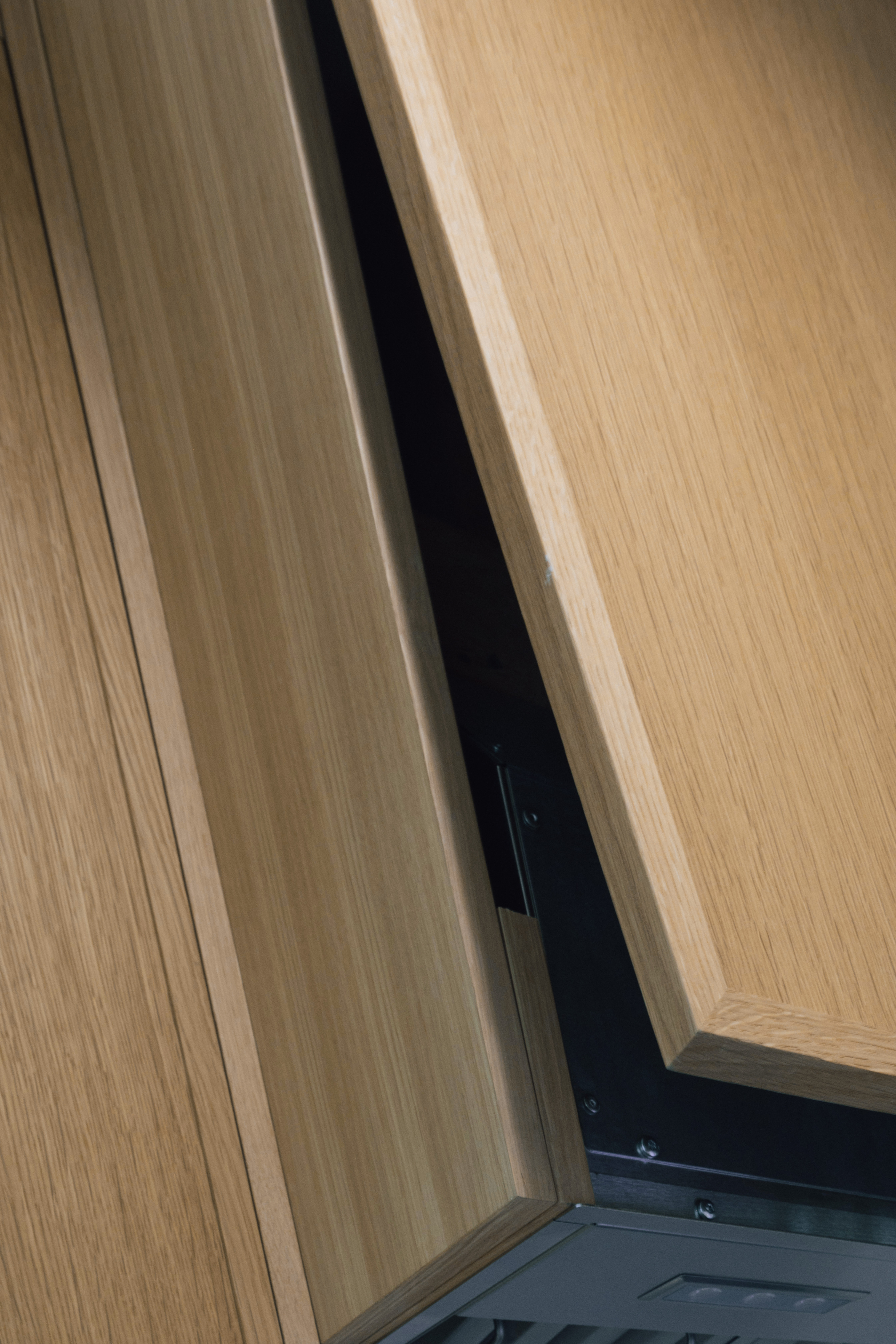
Understanding the selection process helps in making informed choices and avoiding last-minute hiccups.
Shop Drawings and Field Measure
Shop drawings are detailed plans that outline every aspect of your cabinets. They are essential for visualizing the final product and making necessary adjustments before production. Field measurements ensure these drawings match the actual space, preventing costly errors. Investing time in this step ensures your cabinets fit perfectly and meet your expectations, streamlining the installation process.
Cabinet Lead Times in California
Cabinet lead times can vary, but understanding them helps in planning your project timeline. In California, typical lead times range from 6 to 8 weeks after final drawing signoff. This includes production, delivery, and installation. Being aware of these timelines allows you to coordinate other aspects of your remodel efficiently, reducing stress and ensuring a smooth process. Remember, planning ahead is key to a successful and timely remodel.
Frequently Asked Questions
What are the benefits of solid wood cabinets over veneer?
Solid wood cabinets offer durability and the ability to refinish. They last longer and can handle more wear and tear compared to veneer. Veneer, however, offers a similar look at a lower cost but may not last as long.
Why choose plywood over particleboard cabinets?
Plywood is stronger and less prone to warping, making it ideal for supporting heavy countertops. Particleboard is more affordable but can be prone to moisture damage and is less durable.
How do soft close hinges improve cabinetry?
Soft close hinges prevent slamming, which reduces stress on the cabinets and prolongs their lifespan. They enhance functionality by providing a smooth, silent closing action.
What do cabinet tolerances mean, and why are they important?
Tolerances refer to the precision of cabinet construction and installation. Tight tolerances ensure perfect fitting, reducing gaps and potential functional issues, and enhancing the overall aesthetics.
How long do custom cabinets take to be ready in California?
Typical lead times for custom cabinets in California range from 6 to 8 weeks after signoff on final drawings. This timeline includes all stages from production to installation.