Most cabinet comparisons stop at looks and price, leaving you guessing about real-world performance. You want a clear, fact-based way to compare custom cabinet materials that actually hold up in your home’s daily life. This guide breaks down measurable traits, real stress tests, and lifecycle costs so you can make confident choices—and invites you to see and test the materials yourself in our Bay Area showrooms.
Understanding Custom Cabinet Materials
Choosing the right cabinet material can be a game-changer for your home. Let’s dive into the specifics of different materials to see which suits your needs best.
Solid Wood vs Plywood Cabinets
Solid wood cabinets offer the beauty of natural wood grains. They’re strong and can last a lifetime if maintained properly. However, they can warp or crack with humidity changes. Plywood cabinets, on the other hand, are made of multiple wood layers glued together. This construction makes them more stable in varying climates, with less chance of warping. They also tend to be more cost-effective than solid wood.
MDF vs Plywood Kitchen Cabinets
MDF, or Medium-Density Fiberboard, is a smooth and affordable option. It’s made from wood fibers and resin, offering a consistent texture. While MDF can be great for flat, painted surfaces, it’s not as strong as plywood. Plywood is sturdier and better for areas that experience heavy use. Its layered construction adds strength, making it a good choice for kitchen cabinets that need to endure daily wear and tear.
Cabinet Veneer vs Laminate
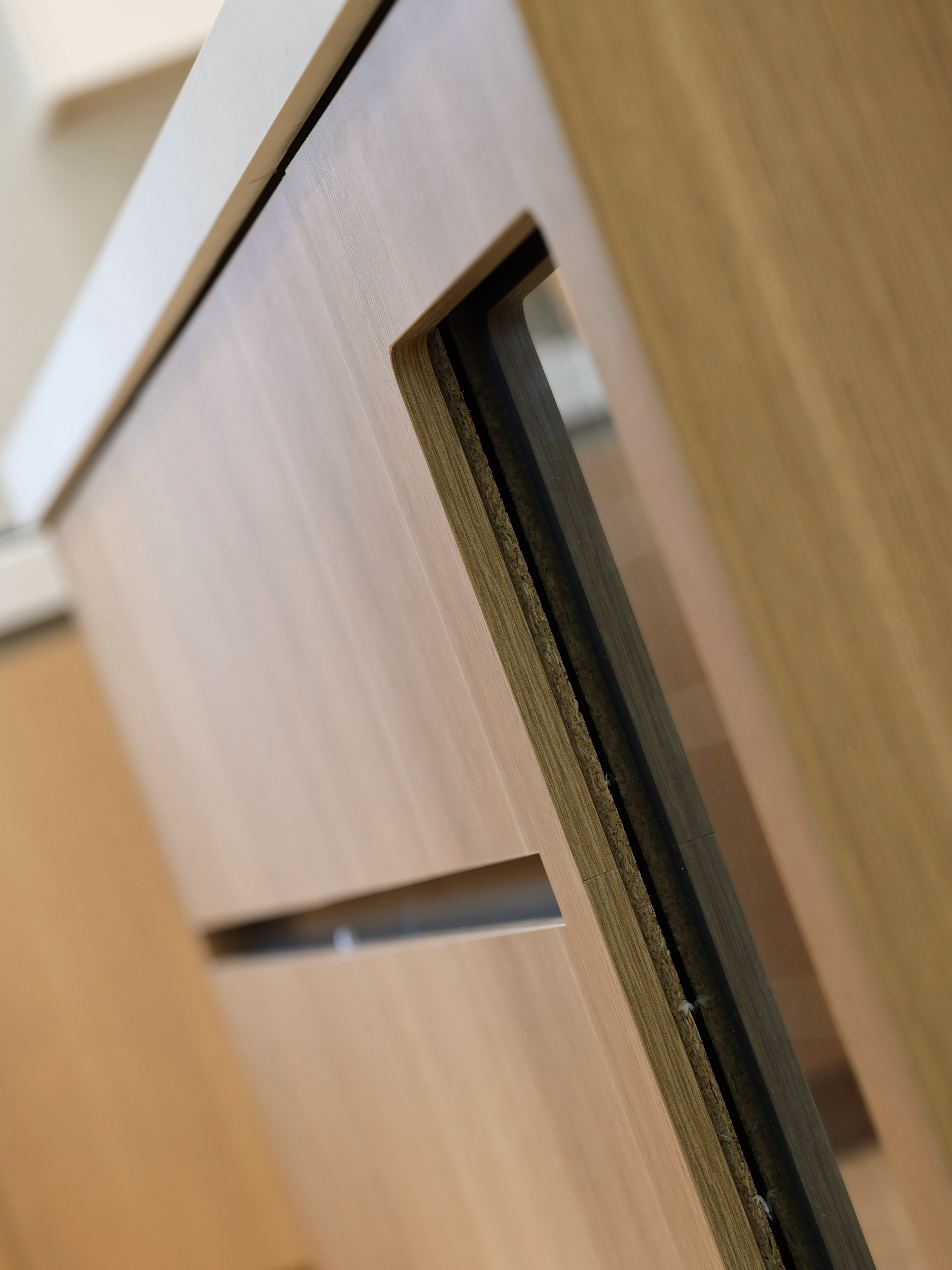
Veneers are thin slices of real wood glued onto a base material. They give the appearance of solid wood without the cost. They’re great for adding warmth and character. Laminate, on the other hand, is a synthetic material. It’s highly durable and resistant to scratches and stains, making it ideal for high-traffic areas. While both have their place, the choice depends on whether you prioritize a natural look or durability.
Evaluating Durability and Performance
Understanding how cabinets perform under stress is crucial. This section explores various materials and their ability to withstand daily challenges.
Thermofoil Cabinets Pros and Cons
Thermofoil cabinets are made from a vinyl film applied over an MDF core. They offer a smooth, easy-to-clean surface. However, they can peel or chip with time, especially in high-heat areas. This makes them less ideal for kitchens near ovens. A benefit is their affordability, making them a good choice for budget-conscious projects.
Kitchen Cabinet Durability Tests
When testing cabinet durability, consider the finish and construction. Cabinets undergo stress tests to simulate years of use. Look for cabinets that pass edge and surface resistance tests, proving they can handle bumps, spills, and daily use. Quality hinges and runners also play a role, ensuring doors and drawers function smoothly over time.
Bathroom Humidity Resistance Cabinets
Bathrooms are humidity hotspots. Cabinets should resist moisture to avoid warping or mold. Look for materials like plywood or water-resistant MDF, which hold up better in damp environments. Proper finishes, like waterborne or UV-cured, add layers of protection, keeping cabinets looking fresh.
Cost and Sustainability Considerations
Making informed choices involves balancing cost with environmental impact. Here’s how to approach sustainable cabinet options in California.
Sustainable Cabinet Materials in California
California offers a range of sustainable cabinet materials. Choose options like bamboo or responsibly sourced wood, which have a smaller ecological footprint. These materials not only support the environment but also bring unique beauty and strength to your home.
Formaldehyde-Free and CARB2 Compliant Options
Health-conscious homeowners should consider formaldehyde-free cabinets. These options meet CARB2 standards, reducing harmful emissions. Choosing such materials ensures safer indoor air quality, protecting your family’s well-being.
Waterborne and UV-Cured Cabinet Finishes
Finishes play a crucial role in the cabinet’s longevity. Waterborne finishes are low in VOCs, making them eco-friendly. UV-cured finishes dry quickly and offer excellent durability. Both options protect your cabinets while maintaining an eco-conscious approach.
Frequently Asked Questions
What is the most durable cabinet material for kitchens?
Plywood is often considered the most durable for kitchens due to its layered construction, which provides strength and resistance to warping.
Are MDF cabinets suitable for bathrooms?
While MDF can be used in bathrooms, water-resistant MDF or plywood is preferable due to the moisture exposure that bathrooms face.
How can I ensure my cabinets are environmentally friendly?
Look for materials that are CARB2 compliant and formaldehyde-free. Opt for waterborne or UV-cured finishes for an eco-friendly choice.
What are the benefits of thermofoil cabinets?
Thermofoil cabinets are affordable and easy to clean, making them ideal for budget-friendly renovations, though they may not be suitable for high-heat areas.
Why choose veneers over laminates?
Veneers offer a natural wood look and warmth, while laminates are more durable and scratch-resistant, ideal for heavy-use areas. Choose based on your aesthetic and durability needs.