Forget everything you know about evaluating custom cabinetry. Marketing buzzwords often hide the details that truly matter to your remodel. You need clear, measurable cabinet construction specs—not vague promises—to make the right choice. This guide strips away the fluff and gives you a straightforward checklist to assess quality, from 3/4 inch plywood versus particleboard cabinets to Blum soft-close hinges cycle ratings. Ready to see how real craftsmanship feels?
Understanding Custom Cabinet Construction
When evaluating custom cabinetry, understanding the construction is crucial. Let’s dive into the specifics you should consider for high-quality cabinets.
Importance of Cabinet Construction Specs
Knowing the specs of your cabinet construction is like having a blueprint for quality. This ensures you are well-informed about what comprises your cabinetry. Specs provide key information about materials, thickness, and joinery methods used. Without these details, you might end up with cabinets that look great but fall short in durability. Always ask for detailed specs before making a decision, as they offer a concrete way to assess a cabinet’s potential longevity and performance.
3/4 Inch Plywood vs. Particleboard Cabinets
Choosing between 3/4 inch plywood and particleboard can significantly impact your cabinet’s durability. Plywood is known for its strength and resistance to warping, making it ideal for areas with fluctuating humidity. In contrast, particleboard is cost-effective but less durable, prone to damage from moisture and heavy loads. Consider your environment and usage needs: for a robust, long-lasting cabinet, plywood is generally the superior choice. It may cost more upfront, but it often pays off in longevity and fewer repairs.
Evaluating Dovetail Drawer Boxes
Dovetail drawer boxes are a hallmark of quality craftsmanship. The interlocking joints provide a strong bond, ensuring drawers withstand repeated use without falling apart. Look for tight, evenly cut joints which indicate precision manufacturing. Poorly constructed dovetail joints can lead to loose drawers and reduced longevity. Evaluating this aspect helps guarantee that your cabinetry will maintain its integrity over time, offering smooth operation and enduring quality.
Evaluating Cabinet Hardware and Finishes
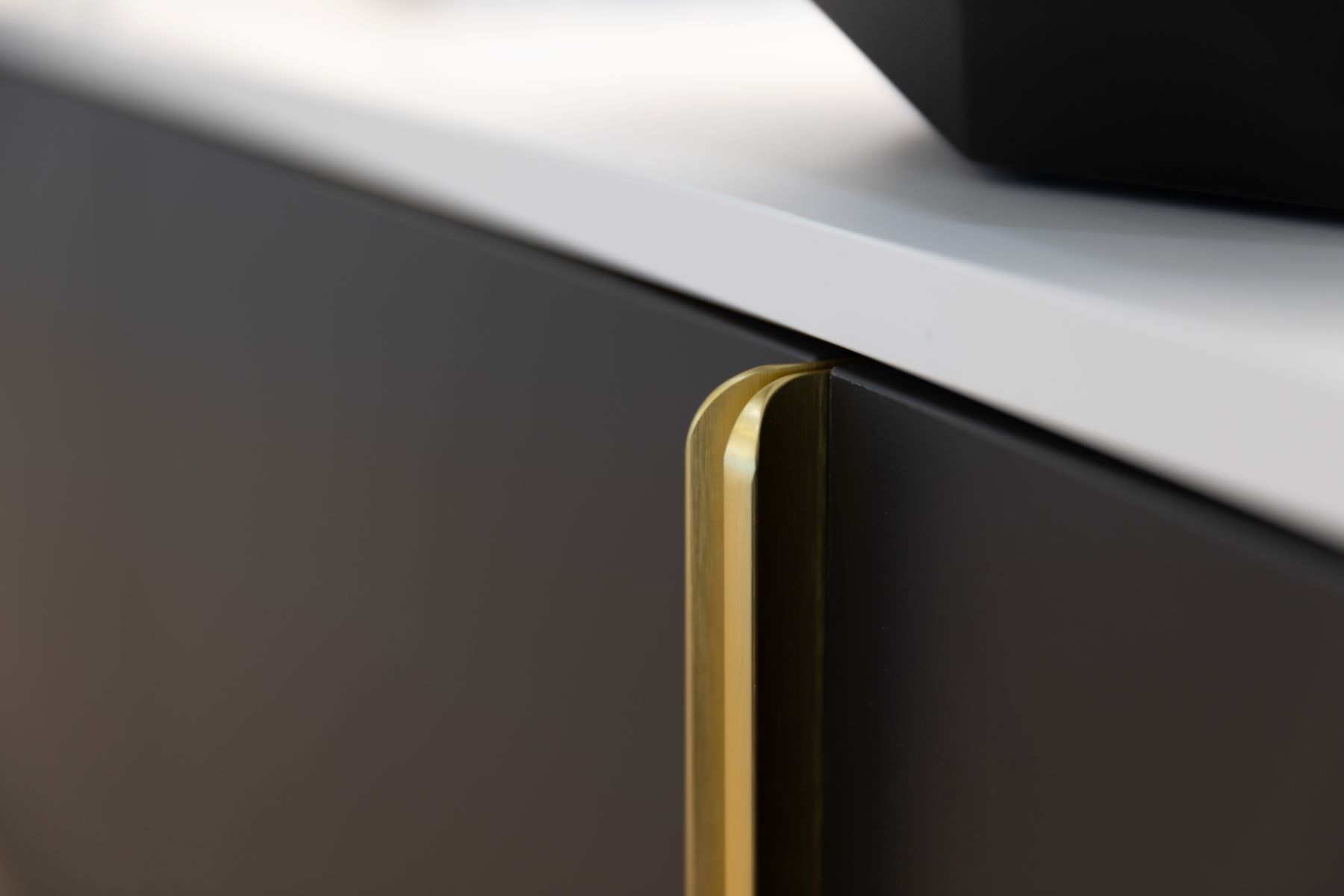
Once you know the construction basics, it’s time to focus on hardware and finishes. These elements add to both the functionality and aesthetics of your cabinetry.
Blum Soft-Close Hinges Cycle Rating
Blum soft-close hinges are a popular choice for modern cabinetry due to their quiet and smooth operation. A key spec to check is the cycle rating, which measures how many times the hinge can open and close before showing wear. High cycle ratings indicate greater durability, meaning your cabinets will perform well for years. Generally, a cycle rating of 80,000 or more is considered robust for household use, ensuring your cabinet doors won’t sag or fail over time.
Conversion Varnish vs. Waterborne Finish
Choosing between conversion varnish and waterborne finishes can affect the look and durability of your cabinets. Conversion varnish offers a durable, chemical-resistant finish, making it perfect for high-traffic areas. Waterborne finishes, on the other hand, are more environmentally friendly and less odorous. For a balance of durability and environmental safety, waterborne finishes have improved to offer substantial protection while being more eco-conscious. Evaluate the trade-offs based on your priorities for sustainability and cabinet use.
Cabinet Hardware Load Rating Insights
Understanding the load rating for cabinet hardware ensures you select handles and hinges that can support daily use. A high load rating means the hardware can bear more weight without failing, critical for frequently used drawers and doors. Check for ratings that meet or exceed industry standards, often around 100 pounds for full-extension undermount slides. This ensures your cabinetry remains functional and secure, avoiding sagging drawers or misaligned doors over time.
Assessing Cabinet Durability and Sustainability
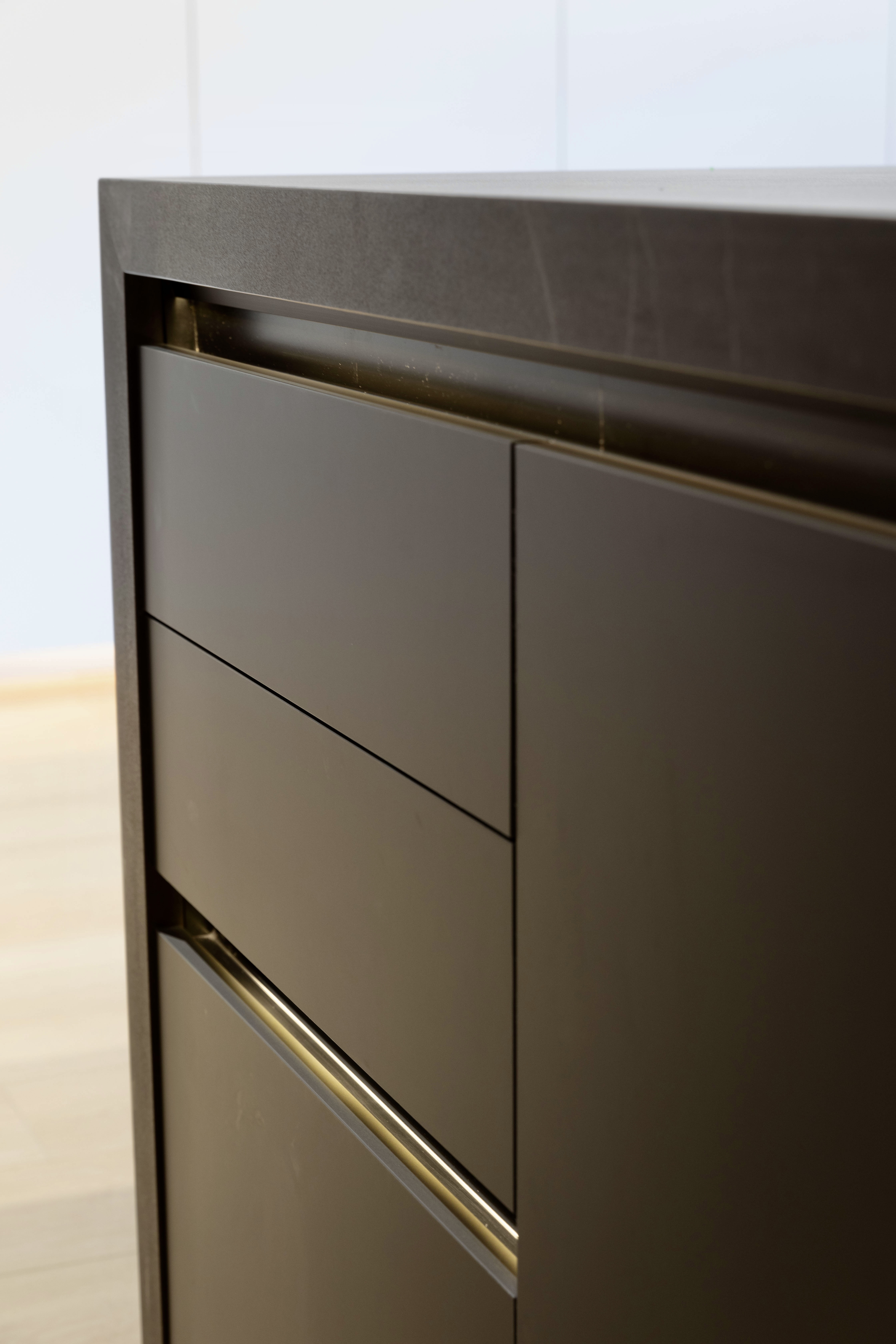
Durability and sustainability are key considerations when selecting cabinetry. Here’s what to look for to ensure your cabinets stand the test of time.
CARB2 Compliant and FSC Certified Wood
Opt for CARB2 compliant and FSC certified wood to ensure your cabinetry is both sustainable and safe. CARB2 compliance limits formaldehyde emissions, making indoor air quality safer. FSC certification guarantees that the wood is sourced responsibly, supporting sustainable forestry practices. By choosing materials with these certifications, you contribute to environmental conservation while ensuring your cabinetry is made from safe, high-quality materials.
Cabinet Finish Durability Test
A cabinet finish durability test assesses how well the finish withstands wear and tear. Look for results that show resistance to scratches, stains, and moisture. This ensures your cabinets maintain their appearance and functionality over time. High-quality finishes should pass these tests, providing assurance that your cabinetry will endure the demands of daily life without frequent touch-ups or refinishing.
Sustainable Cabinetry Practices in California
Sustainable cabinetry practices in California emphasize local manufacturing and eco-friendly materials. This approach not only supports local economies but also reduces carbon footprints. Check if your cabinetry provider follows sustainable practices such as using recycled materials, minimizing waste, and employing energy-efficient processes. These practices ensure your cabinets are not only practical and stylish but also environmentally responsible.
Frequently Asked Questions
What is the difference between 3/4 inch plywood and particleboard?
3/4 inch plywood is stronger and more resistant to warping compared to particleboard. Plywood is ideal for humid environments, while particleboard is more budget-friendly but less durable.
Why should I consider Blum soft-close hinges?
Blum soft-close hinges offer smooth, quiet operation with high durability. A cycle rating of 80,000 or more indicates they will withstand frequent use without sagging.
How can I ensure my cabinetry is sustainable?
Look for CARB2 compliance and FSC certification. These ensure that your cabinetry is made from safe, sustainably sourced materials, contributing to environmental conservation.