Most cabinetry brands talk about laminate paper like it’s a magic fix-all. The truth is more nuanced. When you choose laminate paper cabinets, knowing the difference between melamine paper, TFL panels, and high pressure laminate (HPL) matters—a lot. We’ll walk you through when these materials shine, where they fall short, and how they perform in real California homes. Ready to see the specs that actually hold up? Let’s get started.
For a deeper dive into the performance of various Kitchen Cabinet Materials, you can explore our detailed blog post. Additionally, our feature on California-Made Kitchen Cabinets provides insight into how these cabinets are engineered to fit your lifestyle.
Understanding Laminate Paper in Cabinetry
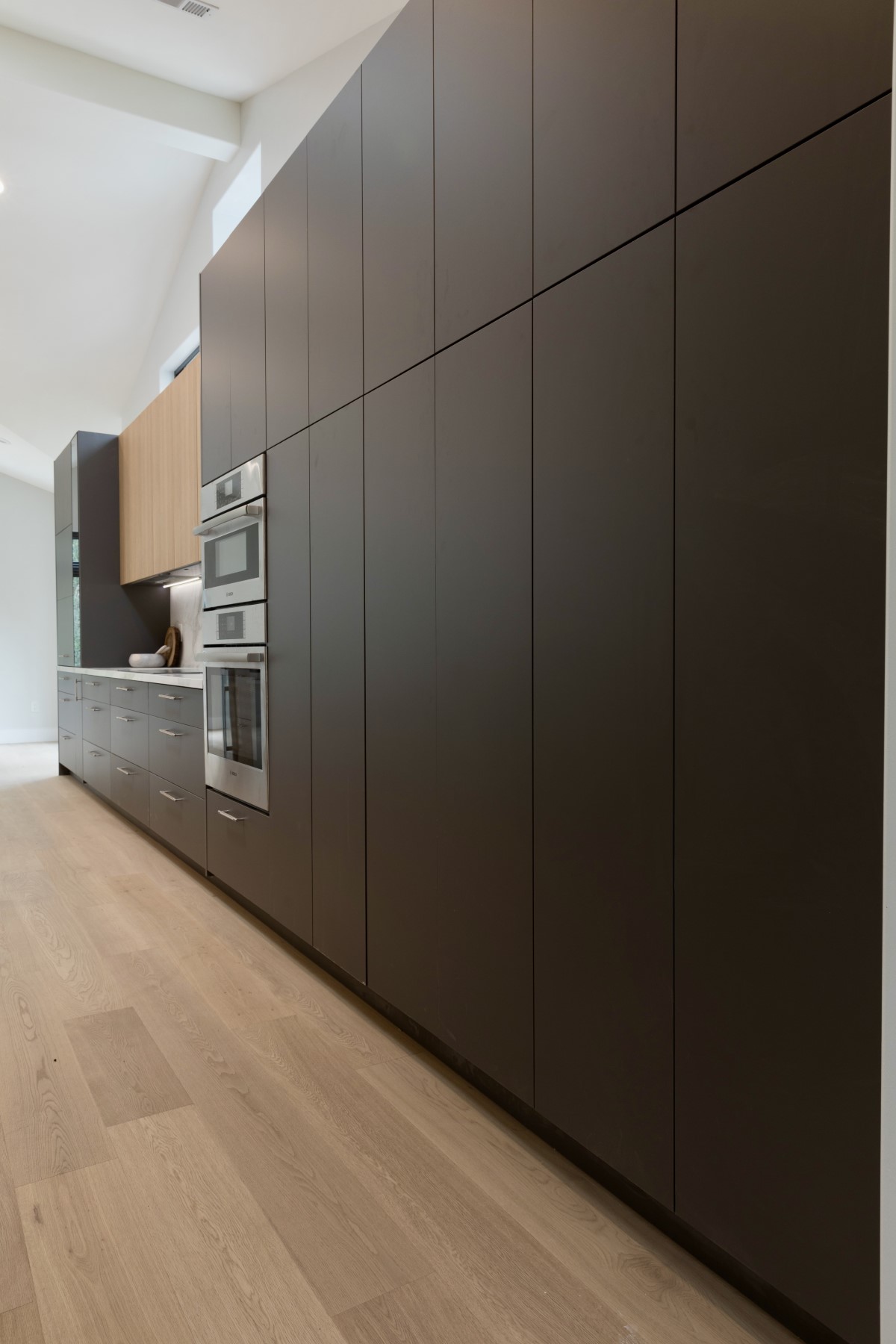
When it comes to cabinets, knowing your material is key. Laminate paper might sound simple, but there’s more to it than meets the eye.
What is Laminate Paper?
Laminate paper is a popular choice for cabinets due to its versatility and durability. It consists of layers of paper soaked in resin, which hardens to form a solid surface. This makes it an affordable option for those looking to balance style and practicality without compromising on quality. With its wide range of designs and finishes, laminate paper can mimic wood, stone, or even colorful patterns, giving you the freedom to personalize your space.
Types: TFL and HPL Explained
Understanding the types of laminate paper can help you make informed decisions for your home. Thermally Fused Laminate (TFL) panels are made by fusing a resin-impregnated sheet directly onto a substrate, typically MDF or particleboard. They are great for vertical surfaces like cabinet doors. On the other hand, High Pressure Laminate (HPL) is created by bonding several layers of paper under high pressure and heat. This process makes HPL more robust, making it suitable for areas that experience heavy wear and tear, such as countertops. Knowing these differences allows you to choose the right option based on your specific needs.
Performance in Real Homes
In real homes, laminate paper stands the test of time, offering both beauty and functionality. Homeowners appreciate its ease of cleaning and maintenance, making it ideal for busy households. In kitchens, where spills and splashes are common, laminate cabinets can be wiped down quickly, keeping them looking fresh. With a Taber abrasion rating that highlights its scratch resistance, laminate paper cabinets maintain their appearance despite daily use. This reliability makes them a favored choice in California homes where both style and practicality are paramount.
When to Specify Laminate Paper

Knowing when to specify laminate paper can enhance the functionality and longevity of your cabinetry. Let’s explore the best scenarios for its use.
Ideal Situations for TFL Panels
TFL panels are most suitable for areas where aesthetics are important but heavy use is not expected. They are perfect for budget-friendly projects, offering an attractive finish without the high cost. Use TFL for vertical surfaces like closet doors or shelves where impact is minimal. The variety of designs available ensures you can match any decor style, from modern minimalism to classic elegance. This versatility makes TFL a smart choice for those looking to refresh their spaces without a major investment.
Best Uses for High Pressure Laminate (HPL)
HPL is best reserved for high-traffic areas where durability is a must. Think kitchen countertops, bathroom vanities, or laundry room surfaces. HPL’s resilience comes from its manufacturing process, which makes it resistant to scratches, impacts, and heat. This makes it ideal for families or spaces where rigorous use is expected. The moisture resistant MDF core also adds to its durability, ensuring that your cabinets withstand the test of time without warping or swelling.
Comparing Laminate vs Wood Veneer
When deciding between laminate and wood veneer, consider the pros and cons of each. Laminate is known for its durability and ease of maintenance. It withstands everyday wear and tear with ease, making it a practical choice for busy families. In contrast, wood veneer offers a more natural, authentic look, appealing to those who favor traditional aesthetics. However, it requires more care and maintenance to avoid scratches and stains. When comparing laminate vs wood veneer, think about your lifestyle and how much effort you want to invest in upkeep.
Limitations and Considerations
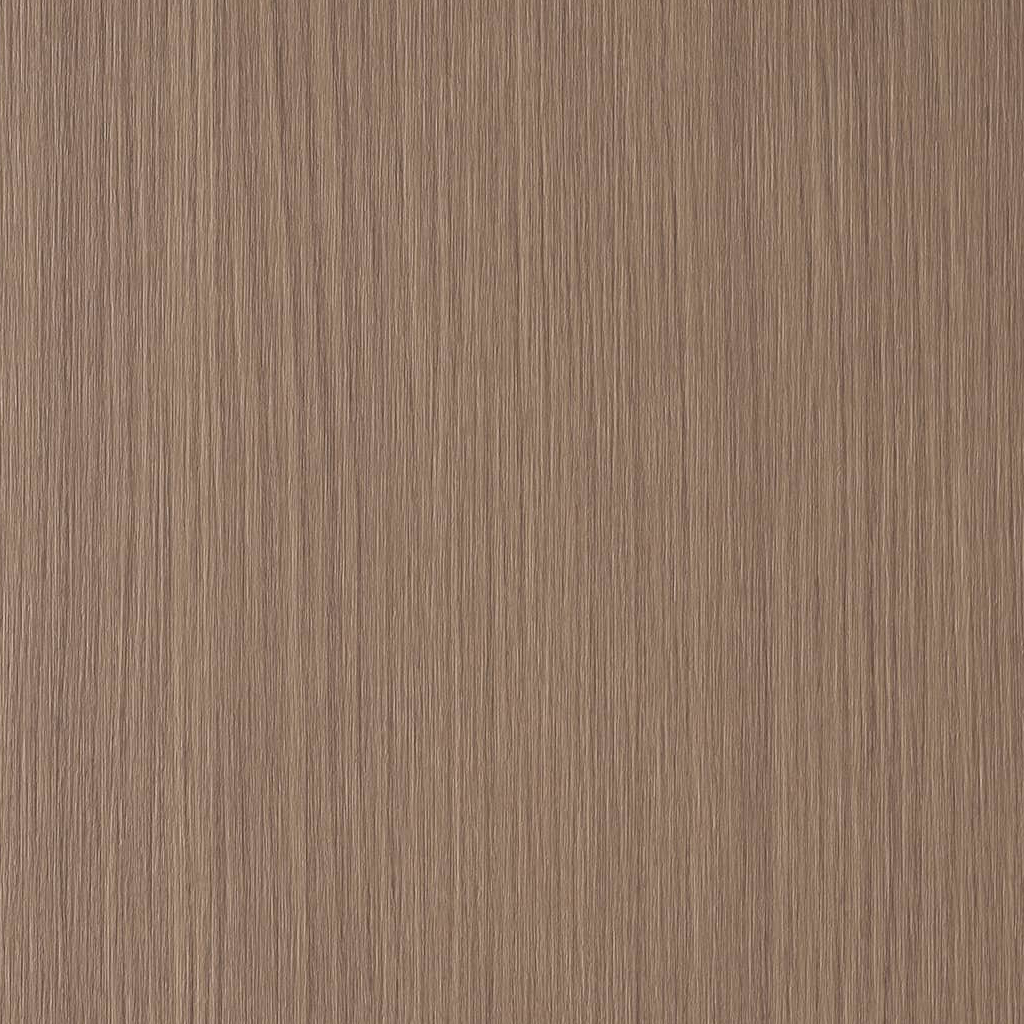
While laminate paper offers many benefits, it’s important to understand its limitations to make the best choice for your home.
Heat and Scratch Resistance
Laminate paper is designed to resist scratches and heat, but it has its limits. Direct exposure to high temperatures or sharp objects can still cause damage. It’s wise to use trivets for hot pots and pans and be cautious with knives on laminate countertops. Understanding these limitations can help prolong the life of your laminate surfaces, keeping them looking new for years.
Repairability and Maintenance
While laminate paper is low-maintenance, repairs can be tricky. Once damaged, it can be challenging to restore to its original state without replacing the entire panel. Regular cleaning with gentle, non-abrasive cleaners can prevent damage and maintain the surface’s shine. This approach ensures your cabinets remain in top condition with minimal effort on your part.
Environmental and Health Certifications
Choosing eco-friendly materials is important to many homeowners today. Look for FSC certified laminate and options that are CARB Phase 2 compliant or TSCA Title VI compliant. These certifications ensure that the materials used are sustainably sourced and meet stringent environmental standards. Opting for certified products contributes to a healthier home environment and supports sustainable practices in the industry.