Most cabinet brands hide details customers only see after purchase. You deserve to know exactly what you’re getting before signing on the dotted line. This custom cabinetry checklist lays out what to verify before buying cabinets—from cabinet specifications to warranty terms—so you avoid surprises and secure quality crafted locally in California. Keep reading to prepare for a showroom cabinet consultation that puts the facts in your hands.
Essential Cabinet Specifications
Let’s dive into the vital specifications you need to check before choosing your custom cabinets. This section will guide you through material choices and construction methods to ensure you get the quality you deserve.
Solid Wood vs Veneer Cabinets
Choosing between solid wood and veneer can significantly impact your cabinetry’s appearance and durability. Solid wood cabinets offer unmatched natural beauty and can be a lasting investment for your home. They are sturdy and can withstand years of use without losing their charm.
On the other hand, veneer cabinets are often more affordable and provide a similar look to solid wood. Veneers are thin slices of wood glued onto a core panel, giving you the aesthetic appeal of wood while saving on costs. However, they may not be as durable as solid wood. Over time, veneers can peel or chip, detracting from their initial allure.
When deciding, consider your budget, the cabinet’s location, and how much wear and tear it might experience. Solid wood is best for high-traffic areas, offering resilience and timeless beauty.
Cabinet Box Construction Details
Understanding cabinet box construction is crucial for durability. The box is the main structure that supports doors and shelves, so it must be well-made. Look for cabinets with a robust frame, often constructed from hardwood for strength.
Check for features like dovetail joints, which enhance structural integrity. Dovetail joints interlock tightly, providing superior strength compared to simpler butt or dowel joints. Also, ensure the back panel is made of solid material, not thin particleboard, for added stability.
A well-constructed cabinet box ensures your investment stands the test of time. It will hold up better under the weight of heavy dishes or pantry items and resist the warping that can occur with cheaper materials.
Plywood vs Particleboard Cabinets
The choice between plywood and particleboard affects both strength and longevity. Plywood is composed of thin layers of wood veneer glued together, making it strong and warp-resistant. Cabinets made from plywood can handle moisture well, making them ideal for kitchens and bathrooms.
Particleboard, by contrast, is made from wood chips and resin. While it’s a cost-effective option, it doesn’t hold up as well to moisture or heavy loads. Over time, exposure to humidity can cause particleboard to swell and deteriorate.
For areas exposed to water or where you need extra strength, plywood is the better choice. It offers a solid foundation for your cabinets, ensuring they remain functional and attractive for years.
Key Features to Verify
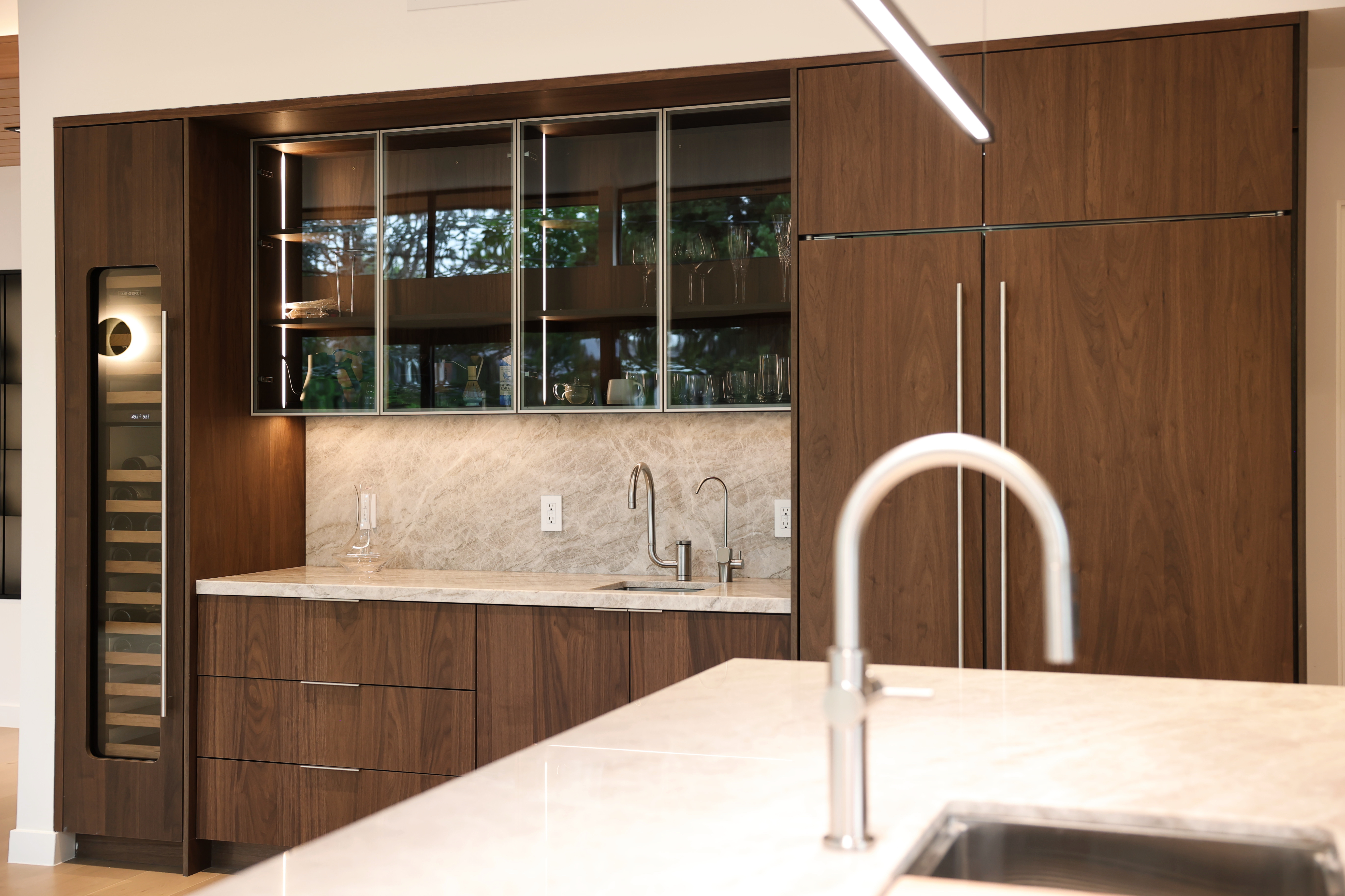
Once you’ve settled on the materials, it’s time to shift your focus to key features that can significantly enhance your cabinet experience. These features ensure your cabinets are not only beautiful but also functional and durable.
Soft-Close Cabinet Hardware
Soft-close hardware is a game-changer for modern kitchens. It prevents doors and drawers from slamming shut, which can damage the cabinets over time. This feature offers a quieter, smoother operation, adding to the longevity of your investment.
Installing soft-close mechanisms can also protect little hands from being pinched by quickly shutting doors. It’s a small upgrade that brings substantial benefits to daily use, creating a more pleasant and safe kitchen environment.
When checking your options, ensure the soft-close mechanisms are high-quality and easy to adjust. This ensures they will continue to function smoothly throughout the life of your cabinets.
Cabinet Finish Durability
The finish on your cabinets is what protects them from scratches, stains, and everyday wear. A durable finish is essential to maintain the beauty of your cabinets over time. Look for finishes that are resistant to spills and easy to clean.
Consider finishes such as catalyzed lacquer or conversion varnish. These options provide a hard, protective layer that can withstand the rigors of a busy household. They offer excellent resistance to moisture and heat, ensuring your cabinets maintain their appearance and function.
Ask about the maintenance required for the finish you choose. Some finishes may require periodic touch-ups, while others offer long-lasting protection with minimal upkeep.
Cabinet Warranty Terms
A robust warranty is a good indicator of quality and the manufacturer’s confidence in their product. It protects your investment and offers peace of mind, knowing you’re covered if something goes wrong.
Verify the warranty terms carefully. Look for coverage that includes both materials and workmanship, and understand the process for making a claim if needed. A good warranty should cover defects and offer clear remedies.
Don’t hesitate to ask questions about what is included in the warranty and what is considered normal wear and tear. This ensures there are no surprises down the line, and you can enjoy your cabinets worry-free.
Consultation and Verification
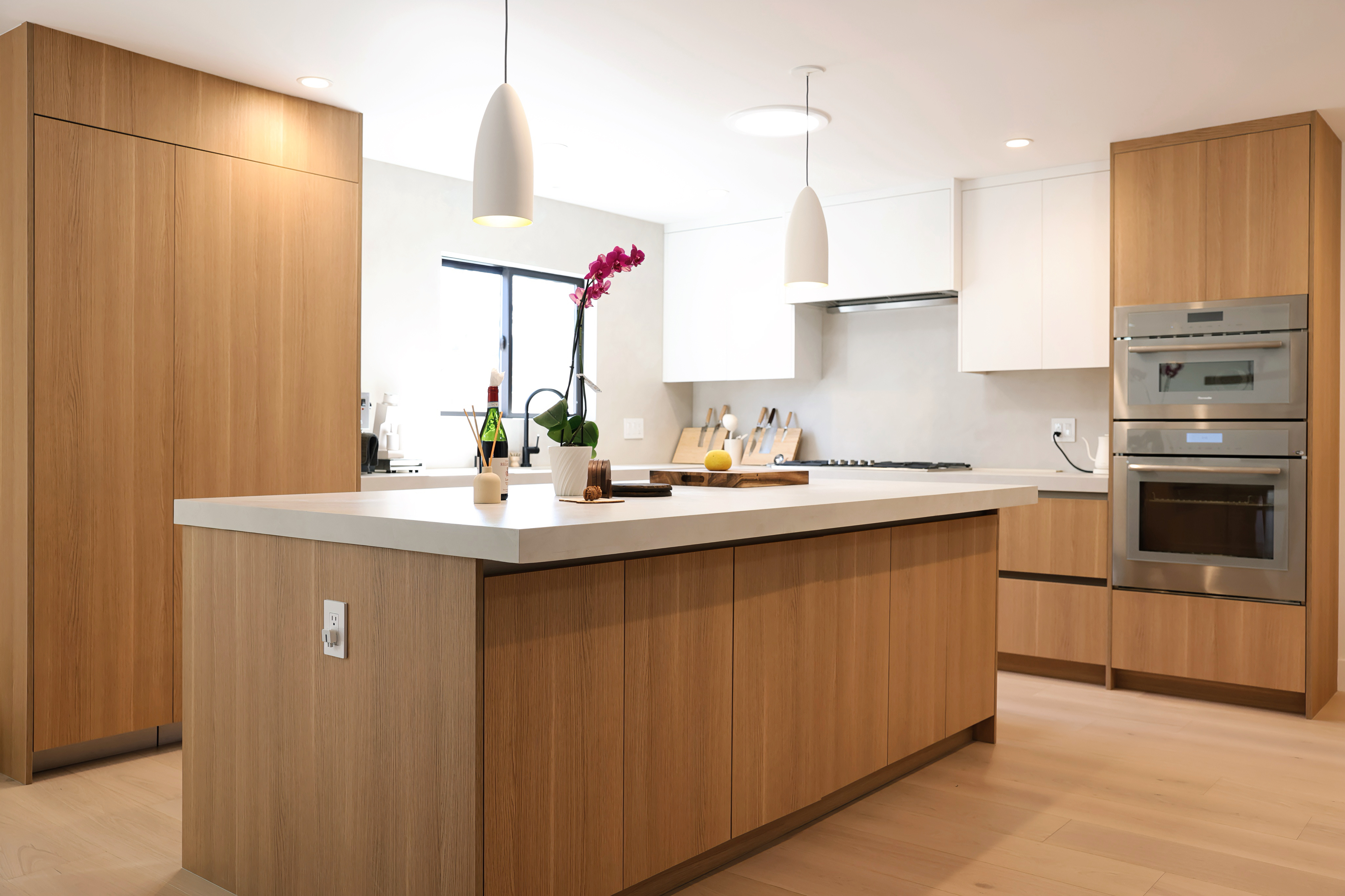
Armed with this knowledge, you’re ready to engage with cabinet makers and start the consultation process. This phase ensures that what you see is truly what you get.
Showroom Cabinet Consultation
Visiting a showroom allows you to see and feel the quality of the cabinets firsthand. It’s your opportunity to verify the materials and craftsmanship before making a commitment.
During your visit, ask to see samples of both finished products and the raw materials used. This gives you a clear picture of what to expect in your own home. Engage with the staff and ask detailed questions about construction and materials.
A showroom visit is also a chance to discuss customization options. Make sure to inquire about colors, finishes, and hardware choices that align with your vision.
California Custom Cabinets Lead Times
Understanding lead times is crucial when planning your renovation. Knowing how long it takes for custom cabinets to be made and delivered helps you manage your project timeline effectively.
Ask the manufacturer for an estimated timeline from order to delivery. This will include production time and any potential delays, such as material shortages. Transparent communication about lead times ensures you’re not left waiting longer than expected.
Working with a local manufacturer can often mean shorter lead times, as it reduces shipping times and provides more control over the production process.
All-In Pricing and No Fine Print
Transparency in pricing is vital for staying within budget and avoiding unexpected costs. Ensure you understand the full scope of your investment by asking for all-in pricing that includes materials, labor, and delivery.
Review the contract thoroughly to confirm there are no hidden fees or fine print that could lead to surprises later. A trustworthy manufacturer will provide clear, upfront pricing and be willing to answer any questions you have.
By verifying these pricing details, you can move forward with confidence, knowing your new cabinets will meet your expectations without financial surprises.