Most custom cabinet options blur together when marketing gloss fills the air. You deserve clear facts, not polished promises. Let’s cut through the noise with a custom cabinet comparison checklist that focuses on real specs—from materials to hardware and price transparency—so your remodel delivers exactly what you expect. Ready to feel the difference? Your next step is a showroom visit where you test, verify, and walk away with a signed cabinet spec sheet and an all-in price.
Evaluate Cabinet Materials
Let’s start by breaking down cabinet materials, the foundation of your cabinet’s durability and appeal.
Solid Wood vs Engineered Cores
Solid wood offers natural beauty and strength, but engineered cores can provide stability and cost-effectiveness. Solid wood displays unique grain patterns, making each piece distinct. However, it’s prone to warping and expansion with humidity changes. Engineered cores, like MDF or particleboard, offer stability and are less likely to warp. They provide a smooth surface for paints and veneers. While they lack the natural charm of solid wood, their consistency is a plus.
Plywood vs Particleboard Cabinets
When comparing plywood to particleboard, the choice impacts cost and quality. Plywood is made from thin layers of wood veneer, offering strength and durability. It’s more resistant to moisture, making it an excellent choice for kitchens and bathrooms. Particleboard, on the other hand, is composed of wood chips and resin. It’s more affordable but less durable, especially in moist environments. For those prioritizing longevity, plywood is the better investment.
MDF vs Plywood Cabinet Boxes
MDF and plywood each have their strengths. MDF offers a smooth, even surface ideal for painted finishes, while plywood provides strength and resistance to warping. MDF is denser and can hold screws and fasteners well, but it’s heavier and more prone to water damage. Plywood, being lighter, is easier to handle and install. When choosing between the two, consider the intended finish and environmental exposure.
Understanding Construction Quality
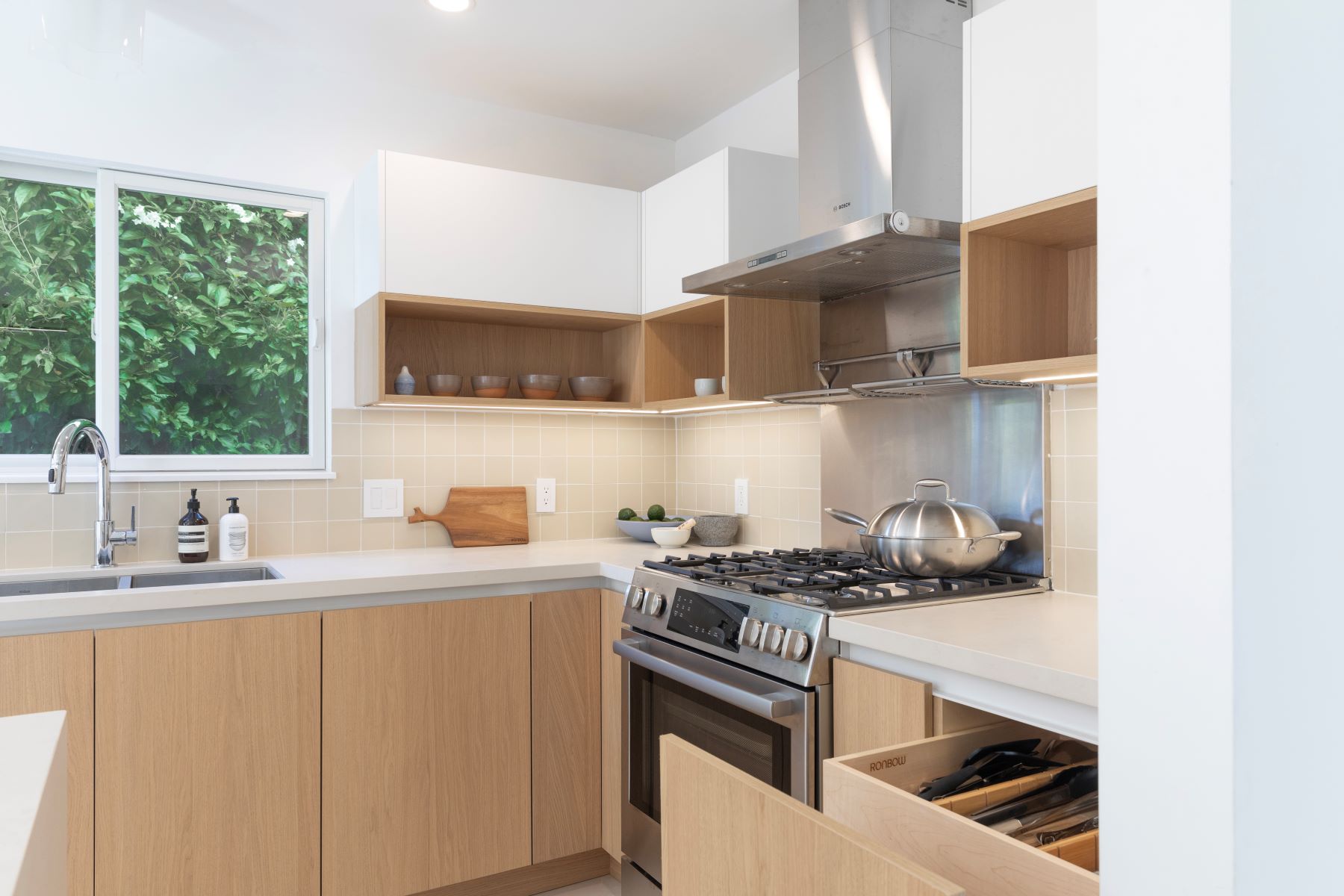
Construction quality is crucial for durability and performance. Let’s explore the key factors.
Frameless vs Face-Frame Cabinets
Frameless cabinets, also known as European style, offer a sleek look with more accessible interior space. They don’t have a face frame, which means doors attach directly to the cabinet box. This style allows for more storage and a modern aesthetic. Face-frame cabinets, common in traditional designs, have a wood frame attached to the front of the cabinet box. They provide sturdy support for doors and drawers, enhancing durability but slightly reducing interior space.
Joinery Types: Dovetail Drawers and More
Joinery is the backbone of cabinet strength. Dovetail joints, known for their interlocking design, offer excellent strength and durability, ideal for drawers. Butt joints, while simpler and more affordable, lack the strength of dovetail joints. For high-quality cabinets, look for dovetail joinery, especially in drawers that endure frequent use. This choice ensures your cabinets stand up to daily wear and tear.
Back Panel Construction and Box Thickness
Back panel construction and box thickness significantly impact cabinet stability. A thick back panel, ideally 3/4 inch, provides robust support and rigidity. It also simplifies installation, as cabinets can be secured directly to the wall. Thinner panels may require extra bracing, increasing complexity and reducing durability. Choosing cabinets with thick panels and solid construction ensures longevity and easy installation.
Assessing Hardware and Finishes
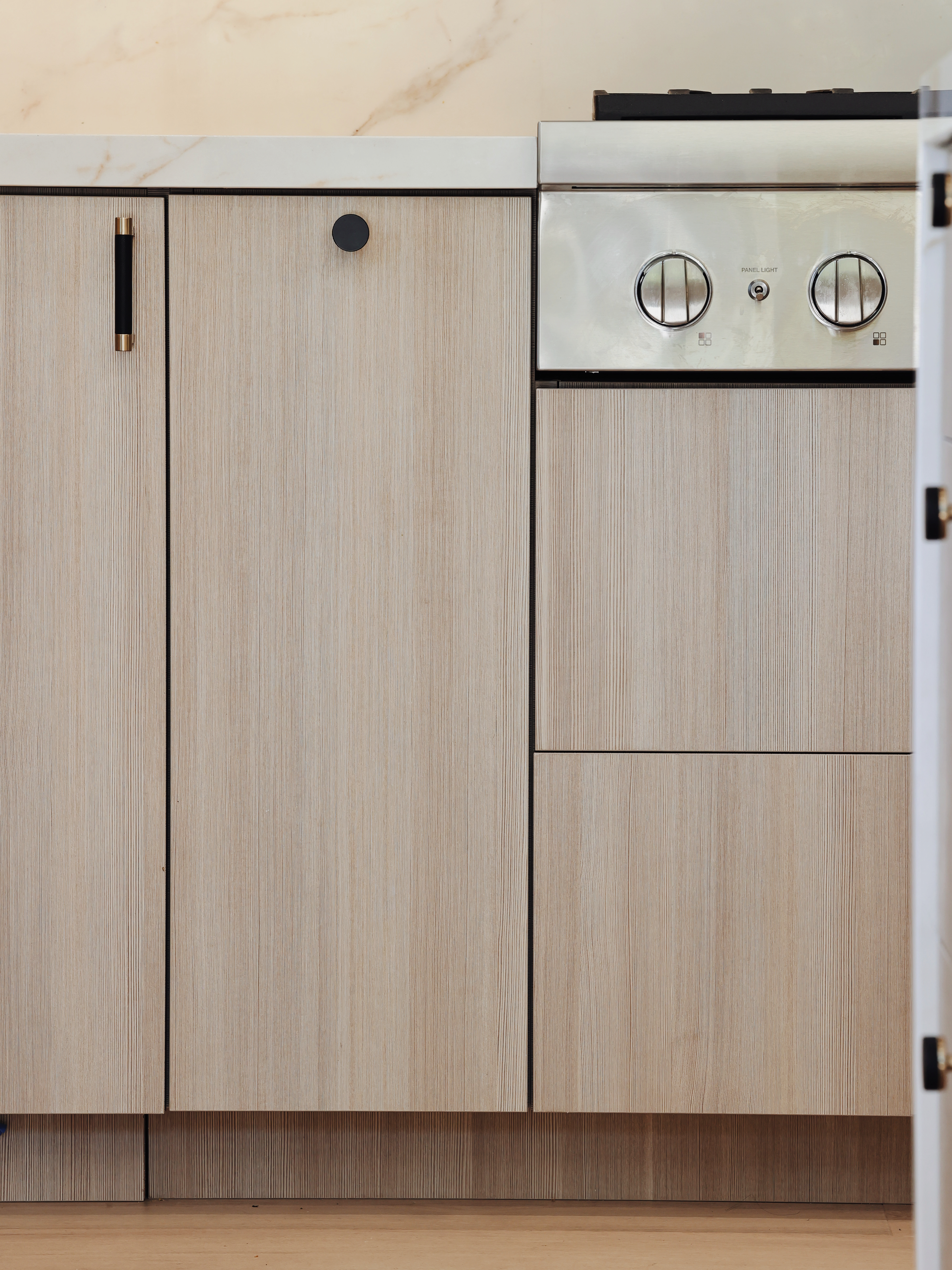
Hardware and finishes define both functionality and aesthetics. Let’s examine the essentials.
Blum Hinges and Drawer Slide Load Rating
Blum hinges are renowned for their smooth operation and longevity. They provide a soft-close feature, preventing slamming and extending cabinet life. Drawer slide load rating is crucial; a higher rating ensures durability under heavy loads. When selecting hinges and slides, prioritize quality to enhance functionality and longevity.
Soft-Close Cycle Count and UV-Cured Finishes
Soft-close mechanisms add luxury and durability. Check the cycle count—a higher number indicates longer-lasting performance. UV-cured finishes offer excellent protection against scratches and fading, maintaining aesthetic appeal. Investing in quality soft-close and finishes ensures your cabinets look and function beautifully over time.
Low-VOC Finishes and FSC Certified Wood Cabinets
Low-VOC finishes contribute to healthier indoor air quality, reducing harmful emissions. FSC certified wood guarantees sustainable sourcing, aligning with eco-friendly values. Choosing cabinets with these features not only benefits the environment but also promotes a healthier home. Prioritize these factors for a responsible and quality-conscious choice.
Frequently Asked Questions
What is the difference between frameless and face-frame cabinets?
Frameless cabinets have no face frame, offering a sleek look and more interior space, while face-frame cabinets have a wooden frame providing support and a traditional aesthetic.
Why choose dovetail joinery for cabinets?
Dovetail joinery offers excellent strength and durability due to its interlocking design, making it ideal for drawers and enhancing cabinet longevity.
Are low-VOC finishes important for cabinets?
Yes, low-VOC finishes contribute to healthier indoor air quality by reducing harmful emissions, making them a responsible choice for eco-conscious homeowners.