How to Plan a Whole‑Home Cabinetry Package for Better Flow
Planning a whole-home cabinetry package isn’t just about picking styles—it’s about creating a smooth rhythm across every room. When your cabinets flow from kitchen to mudroom and beyond, daily routines become easier and remodel risks shrink. With custom cabinetry Bay Area homeowners trust, you’ll get a clear plan that speeds installation and fits your lifestyle. Let’s explore how thoughtful cabinet flow planning can transform your home.
Building a Cohesive Cabinetry Plan
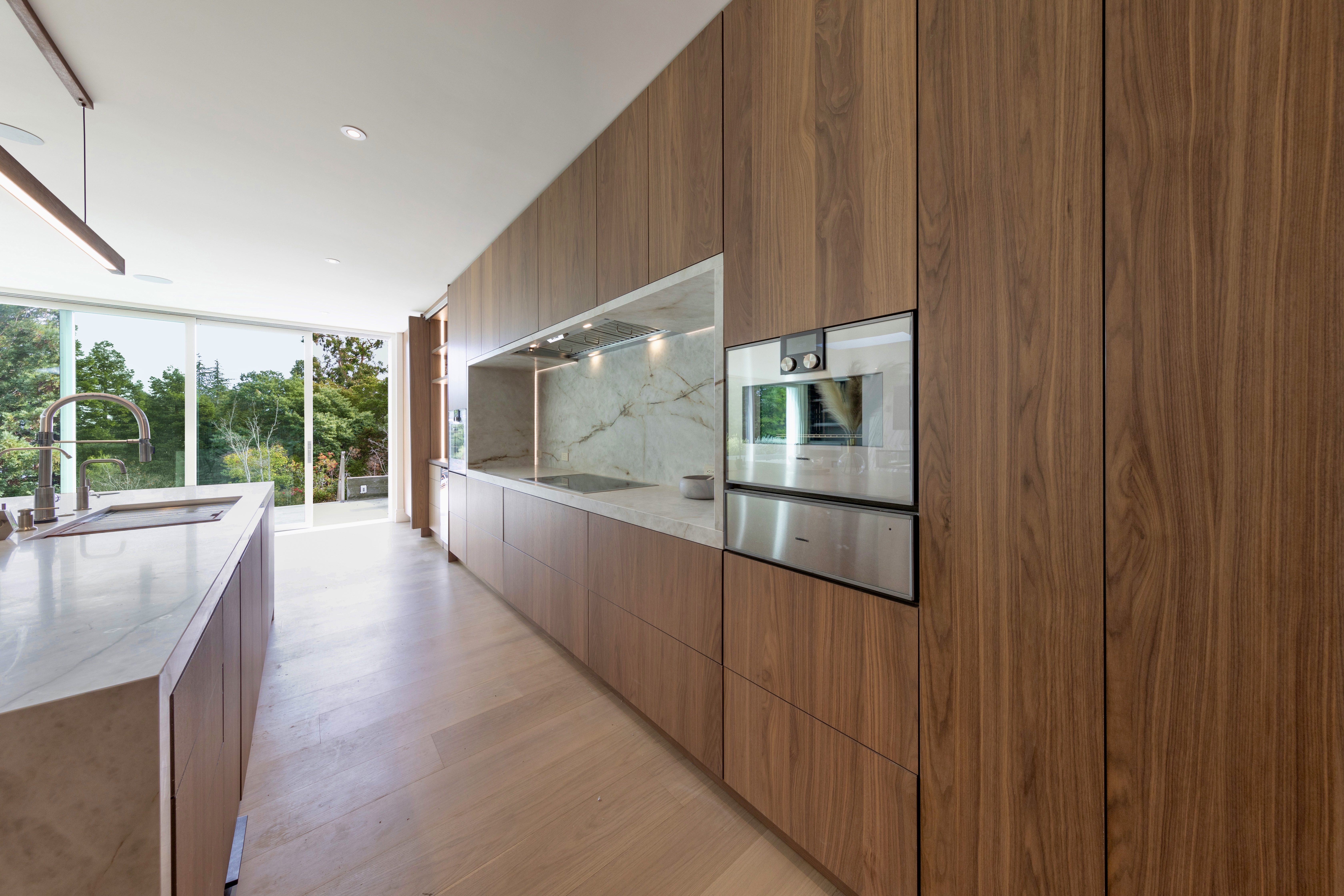
Creating a cohesive cabinetry plan is the first step to transforming your home. It means thinking about how each room can flow into the next.
Understanding Whole-Home Cabinetry
Whole-home cabinetry isn’t just for storage; it’s about harmony. Imagine walking from your kitchen into your mudroom without a jarring shift in style. This seamless transition is what whole-home cabinetry offers. When you think of cabinetry, consider it more than just a place to store items. It’s an extension of your home’s personality. By integrating cabinetry into your entire home, you create a unified look. This approach isn’t just for the aesthetics. It enhances the way you use your space daily. The idea is to make every room feel like a continuation of the last.
Key Elements of Flow and Functionality
Key elements like consistency in style and functionality are crucial. These factors determine how smoothly your rooms connect. Imagine your kitchen cabinets echoing the style found in your bathroom vanities. This creates a flow that feels deliberate and well-thought-out. Functionality is another pillar. Drawers that glide easily and doors that open without hassle make daily chores less of a chore. It’s not just about looks but about enhancing ease of use. By focusing on these elements, you ensure that each cabinet serves a purpose and adds value. A functional space reduces stress and increases efficiency.
Benefits of a Unified Design Approach
The benefits of a unified design extend beyond aesthetics. It simplifies decision-making and installation. A consistent style throughout your home can make selections easier. You no longer need to worry about coordinating different styles. This approach also streamlines installation. With a clear design direction, your team can work more efficiently. Moreover, a unified design can enhance your home’s value. Buyers appreciate a well-thought-out space that doesn’t require immediate changes. Unified cabinetry planning isn’t just a design choice; it’s a smart investment.
Steps to Successful Cabinetry Planning
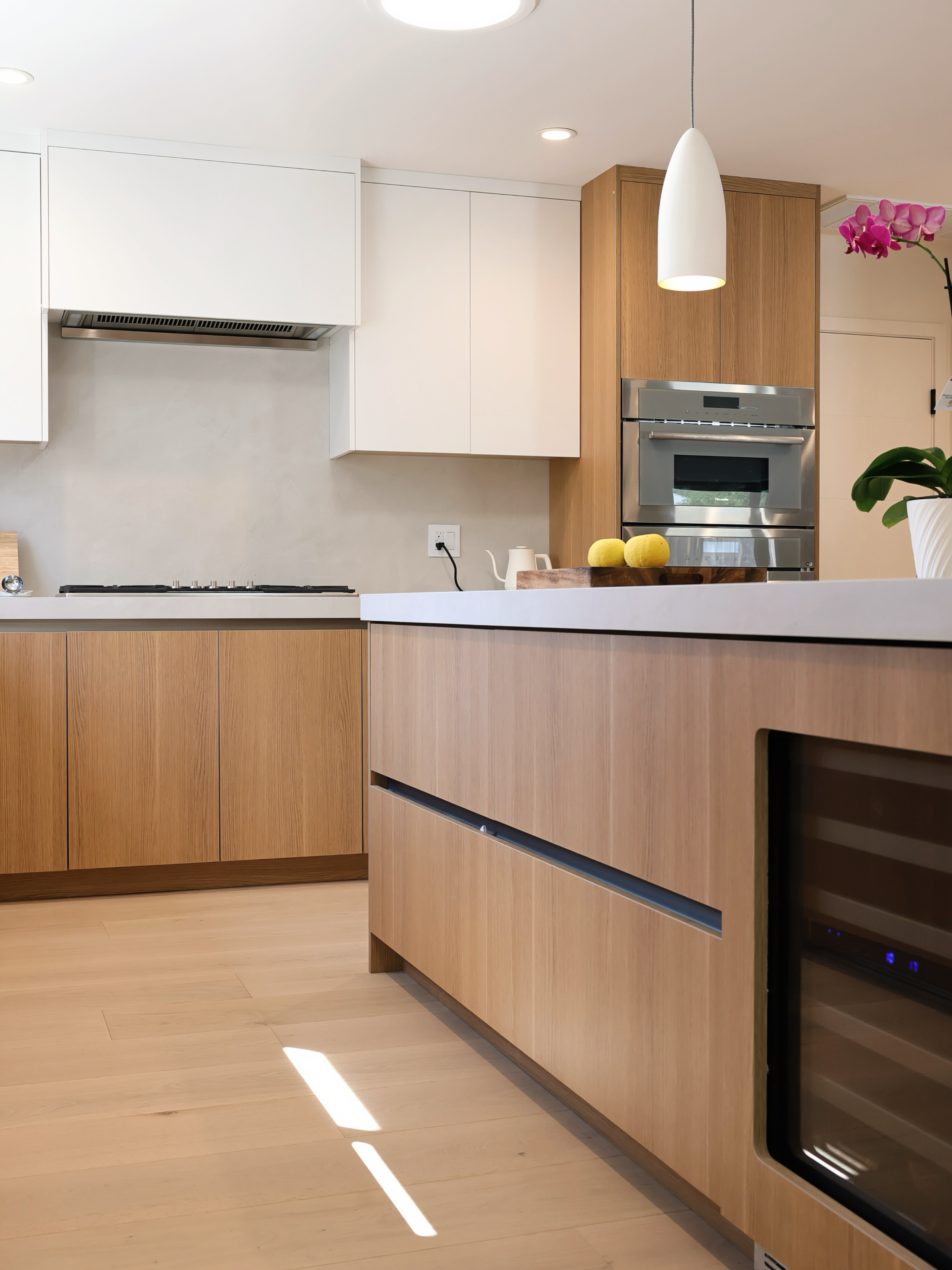
To achieve a cohesive cabinetry plan, you must follow a structured approach. Let’s discuss the steps involved.
Assessing Your Space and Needs
Start by evaluating your space and understanding your needs. Walk through each room, noting how you use the space. For instance, do you need more storage in your kitchen or a functional mudroom space? Understanding these needs helps prioritize your cabinetry choices. Take time to measure each room. Knowing the exact dimensions is crucial. It ensures your cabinets fit perfectly, without wasted space. Consider how you envision using each room. This foresight helps in making decisions that align with your lifestyle. Assessing your space is the foundation of a successful plan.
Choosing Materials and Finishes
Material choice greatly affects your cabinetry’s look and durability. Consider materials that offer both appeal and longevity. Options like solid wood provide a classic look, while engineered wood offers durability. The finish is equally important. A matte finish can provide a modern touch, while glossy options add elegance. Choose finishes that complement your home’s style. Don’t forget about color. Light colors can make spaces feel larger, while dark tones add coziness. Always select materials and finishes that match your personal style and meet your home’s demands.
Scheduling a Showroom Consultation
Visiting a showroom is an essential step in your planning process. It’s where you can see and feel the materials and styles in person. A consultation allows you to discuss your needs with experts. They can offer insights and recommendations tailored to your home. Showrooms provide a space to explore different configurations. This hands-on approach helps solidify your choices. Schedule a consultation early in your planning phase. It ensures you have ample time to make informed decisions. A well-planned visit can significantly streamline your cabinetry project.
Ensuring Smooth Cabinet Installation
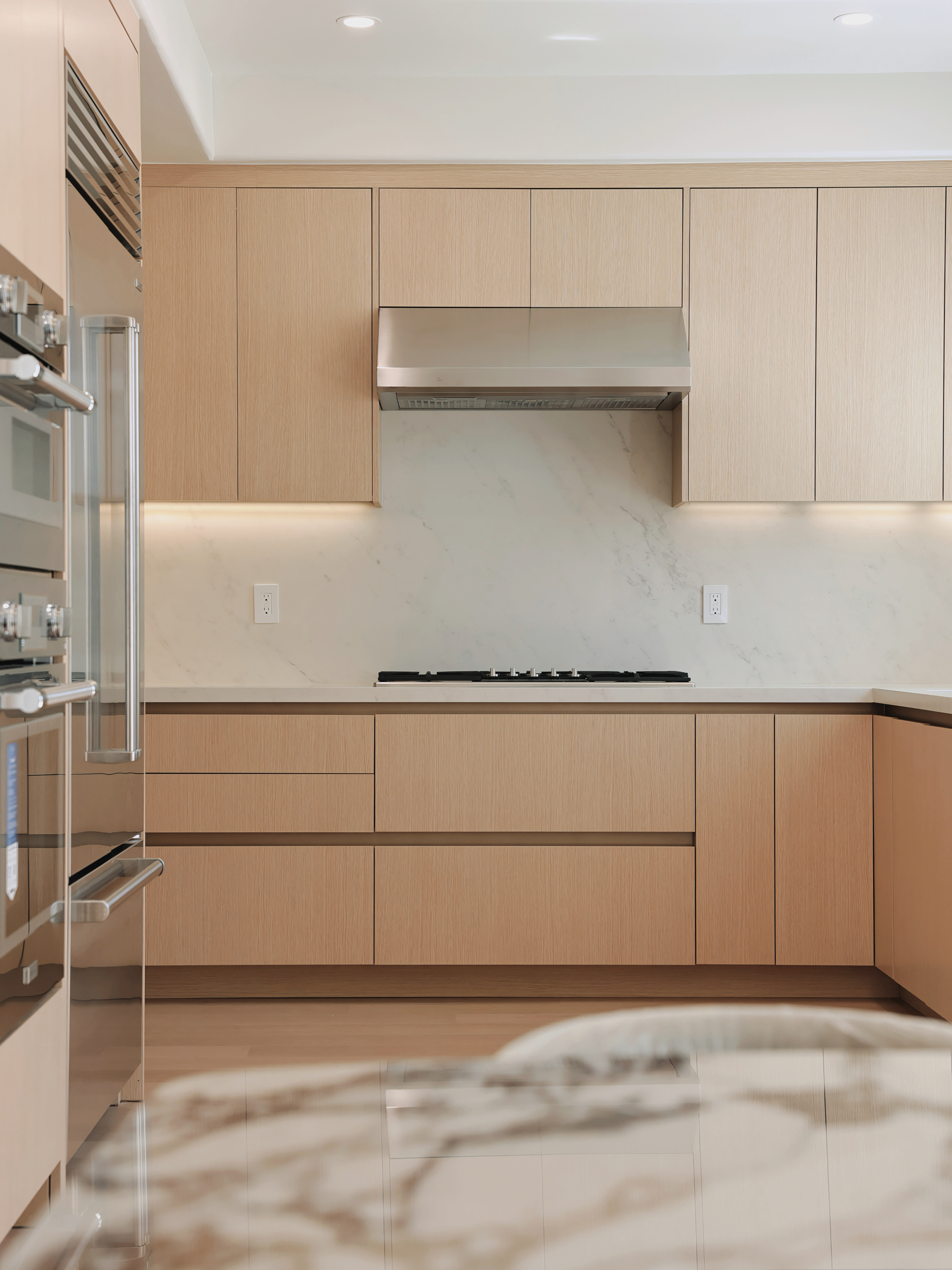
The planning steps set the stage, but installation requires careful coordination. Let’s explore how to ensure a seamless installation.
The Role of Job-Site Measurements
Accurate measurements are vital for a successful installation. Before any work begins, precise job-site measurements must be taken. These measurements ensure that cabinets fit correctly within each room. Incorrect measurements can lead to delays and additional costs. It’s essential to have professionals handle this step. They have the tools and expertise to get it right. Once measurements are confirmed, the installation can proceed smoothly. Remember, precision at this stage saves time and prevents costly mistakes later. Accurate measurements are the backbone of any cabinetry project.
Importance of End-to-End Accountability
End-to-end accountability means having a single point of contact from design to installation. It simplifies communication and ensures consistency throughout the project. When one team handles everything, there’s less chance for errors. You avoid the delays that can arise from miscommunication between multiple parties. This approach also builds trust. Knowing that one team is accountable gives peace of mind. You can rest assured that your project is in capable hands. End-to-end accountability ensures that your cabinetry installation is seamless and stress-free.
Scheduling and Installation Tips
The installation phase is critical. Proper scheduling is key to minimizing disruptions. Work with your team to establish a timeline. Understanding each step helps manage expectations. Ensure that all materials and tools are ready before the installation begins. This preparation reduces downtime and keeps the project on track. Be present during the installation. Your input can help resolve any unforeseen issues quickly. Finally, inspect the work upon completion. Make sure everything aligns with your initial vision. Proper scheduling and oversight lead to a successful installation.
By following these guidelines, you can achieve a cabinetry plan that enhances your home’s flow and functionality. Prioritize planning and work with trusted experts to bring your vision to life.