Most cabinet specification sheets hide details that can derail your remodel. Missing a key hinge type or misreading overlay versus inset doors can create costly change orders and delays. You’ll learn how to read cabinet specs line by line to catch those risks before you approve, so your California-made cabinets fit perfectly and last for years. Bring your spec sheet to our showroom for a hands-on Spec Check and see every detail in person.
Understanding the Cabinet Spec Sheet
Knowing how to read a cabinet specification sheet is crucial to avoid unexpected surprises during your remodel. Let’s break down the essential parts you need to review.
Key Elements to Review
Start with the basics: check the cabinet dimensions and tolerances. These numbers ensure your cabinets will fit perfectly in your space. Identify the type of doors: overlay or inset. This affects both the look and function. Next, examine the hinge type. Common options include 110-degree hinges, which offer a good balance of accessibility and space efficiency.
Finally, look at the drawer load rating and full-extension drawer slides. These specs determine how durable and functional your drawers will be. A high load rating means drawers can hold more weight without sagging.
Common Mistakes to Avoid
Don’t underestimate the importance of precise measurements. Misreading the spec sheet can cost time and money. One common mistake is ignoring grain matching and sequencing. This detail affects the visual flow of wood patterns across cabinets. Another frequent error is failing to verify toe-kick height and depth. This can lead to installation headaches if kitchen appliances don’t fit as expected.
Avoid overlooking reveal and scribe allowances. These small measurements impact how well your cabinets align with walls and other surfaces. Double-check every detail to prevent costly errors later.
Importance of Accurate Measurements
Accurate measurements are the foundation of a successful cabinet installation. They ensure everything fits just right, minimizing the risk of delays and additional costs. Precise measurements also support the cabinet’s structural integrity, preventing issues like door misalignment or drawer sticking.
Poor measurements can lead to problems such as gaps between cabinets and walls. They can also cause misalignment with countertops, leading to a less polished look. Take the time to measure accurately and cross-reference with your specification sheet.
Navigating Cabinet Construction Details
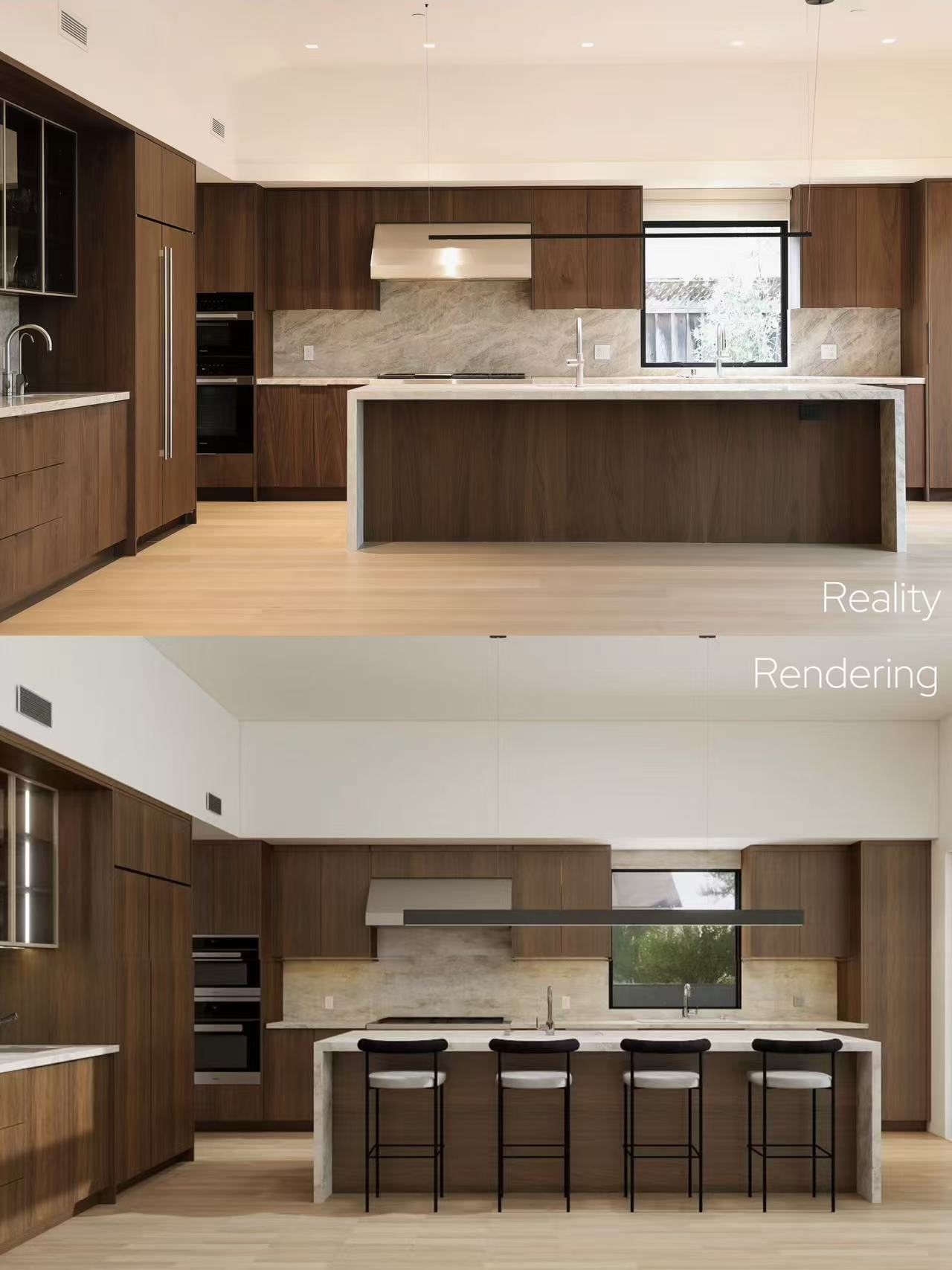
Understanding the construction details of your cabinets helps you make informed choices that enhance both aesthetics and functionality.
Frameless vs Framed Cabinets
Frameless cabinets offer a sleek, modern look with more accessible storage space. They omit the face frame, allowing for larger drawers and easier access. These cabinets are popular in contemporary designs. In contrast, framed cabinets provide a classic appearance with visible frames around doors and drawers. They offer more stability and are easier to install on uneven walls.
Choose framed cabinets if you prefer traditional styles or need extra reinforcement. Opt for frameless if you desire a minimalist look and want to maximize storage.
Material Choices and Specifications
Cabinet materials significantly impact durability and aesthetics. Plywood is a strong, moisture-resistant choice, ideal for humid environments like kitchens and bathrooms. MDF offers a smooth finish for painted cabinets but lacks the moisture resistance of plywood. Particleboard is cost-effective but less durable.
Consider edge banding thickness too; thicker edges enhance durability. Low-VOC finishes are eco-friendly and safer for indoor air quality. Prioritize materials that meet standards like CARB Phase 2 and TSCA Title VI compliance for safety and environmental sustainability.
Hardware and Functionality Features
Hardware choices affect both the style and ease of use of your cabinets. Blum soft-close hinges add a touch of luxury by preventing slamming. For drawers, full-extension slides ensure you can access the entire drawer easily. Consider soft-close mechanisms for a quieter, more refined kitchen environment.
Check the moisture resistance rating of your cabinets, especially for kitchens and bathrooms. This rating indicates how well the cabinets withstand humidity and spills. Robust hardware ensures your cabinets function smoothly for years.
Finalizing and Approving Your Specs
Once you understand the details, it’s time to finalize and approve your cabinet specifications.
Reviewing Shop Drawings
Shop drawings provide a detailed visual representation of your cabinet layout. They include precise measurements, material specifications, and assembly instructions. Reviewing these drawings ensures everything matches your expectations and space requirements.
Pay attention to the toe-kick height and depth, as it affects appliance integration. Verify that all appliance panel clearances are correct to avoid installation issues. Carefully compare these details with your original plans before signing off.
Ensuring Compliance and Standards
Ensure your cabinets meet necessary compliance standards. Look for certifications like FSC certified wood for sustainability. Verify that finishes are UV-cured for durability. Compliance with standards like CARB Phase 2 ensures low emissions, contributing to a healthier home environment.
Checking these standards guarantees you receive high-quality cabinets that are safe and environmentally friendly. It also helps prevent any regulatory issues during installation.
Scheduling Your In-Showroom Spec Check
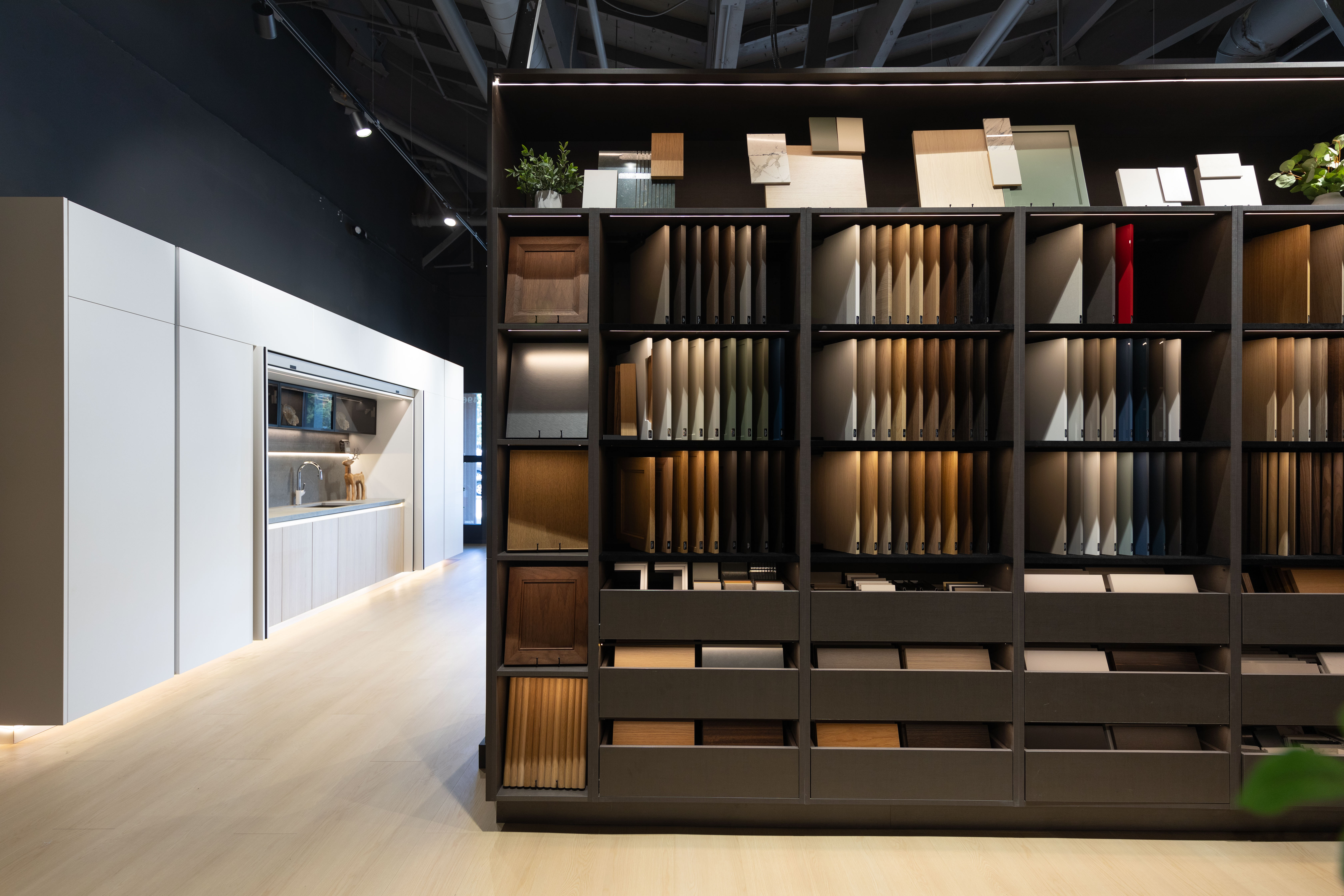
Before final approval, schedule a visit to the showroom. A hands-on Spec Check allows you to see every detail in person. Bring your spec sheet to compare with physical samples, ensuring everything matches your expectations. This step minimizes the risk of misunderstandings and errors.
By checking your specs in the showroom, you can confirm the quality and make any necessary adjustments before finalizing your order. Seeing the cabinets in person offers peace of mind and ensures you’re making the right choice.
Frequently Asked Questions
What is a cabinet specification sheet?
A cabinet specification sheet details the dimensions, materials, and construction features of your cabinets. It’s essential for ensuring compatibility with your space and design vision.
Why are accurate measurements crucial in cabinet installation?
Accurate measurements prevent misalignment and ensure a smooth installation. They help avoid costly adjustments and delays by ensuring cabinets fit perfectly into your space.
What’s the difference between frameless and framed cabinets?
Frameless cabinets have no face frame, offering a modern look and more storage space. Framed cabinets include a surrounding frame, providing a traditional appearance and added stability.