Most cabinet spec sheets look like cryptic puzzles. You skim through terms like “frameless vs face frame” or “CARB2 compliant NAUF” and wonder what truly matters for your home. Understanding how to read cabinet specs lets you spot the red flags and verify materials before you commit. Let’s break down the details that shape your remodel, so you can walk into your showroom appointment confident and clear.
Key Elements of Cabinet Spec Sheets
Understanding how cabinet spec sheets work can transform your remodeling journey. Let’s dive into the key elements that determine quality and longevity.
Understanding Material Specifications
Knowing what your cabinets are made from is crucial. You want materials that offer durability and style. Common choices include solid wood, MDF, and plywood. Solid wood, like oak or maple, provides a classic and robust option. MDF, a type of engineered wood, is often used for smooth, painted finishes. Plywood, made by layering wood for strength, balances cost and performance well.
Look for terms like CARB2 compliant NAUF, which means the materials meet strict air quality standards. This is important for a healthier home environment. By checking these specifications, you ensure your cabinets are built to last.
Decoding Hardware Details
Hardware is the backbone of cabinet functionality. Soft-close hinges and full-extension slides can dramatically improve the user experience. Soft-close hinges prevent doors from slamming, which protects your cabinets and reduces noise. Full-extension slides allow drawers to open completely, providing easy access to items at the back.
European hardware is often praised for its quality. Brands like Blum and Salice are known for their durability and smooth operation. Make sure these details match your needs for a hassle-free kitchen experience.
Spotting Red Flags
Red flags in spec sheets can save you from future headaches. Avoid materials that aren’t formaldehyde-free or lack a clear warranty. Look for inconsistencies in descriptions or missing information on load ratings. If a spec sheet is vague or overly technical, ask questions until you’re satisfied.
A clear, detailed spec sheet reflects a manufacturer’s confidence in their product. Don’t hesitate to walk away if something seems off; your peace of mind is worth it.
Comparing Cabinet Construction Methods
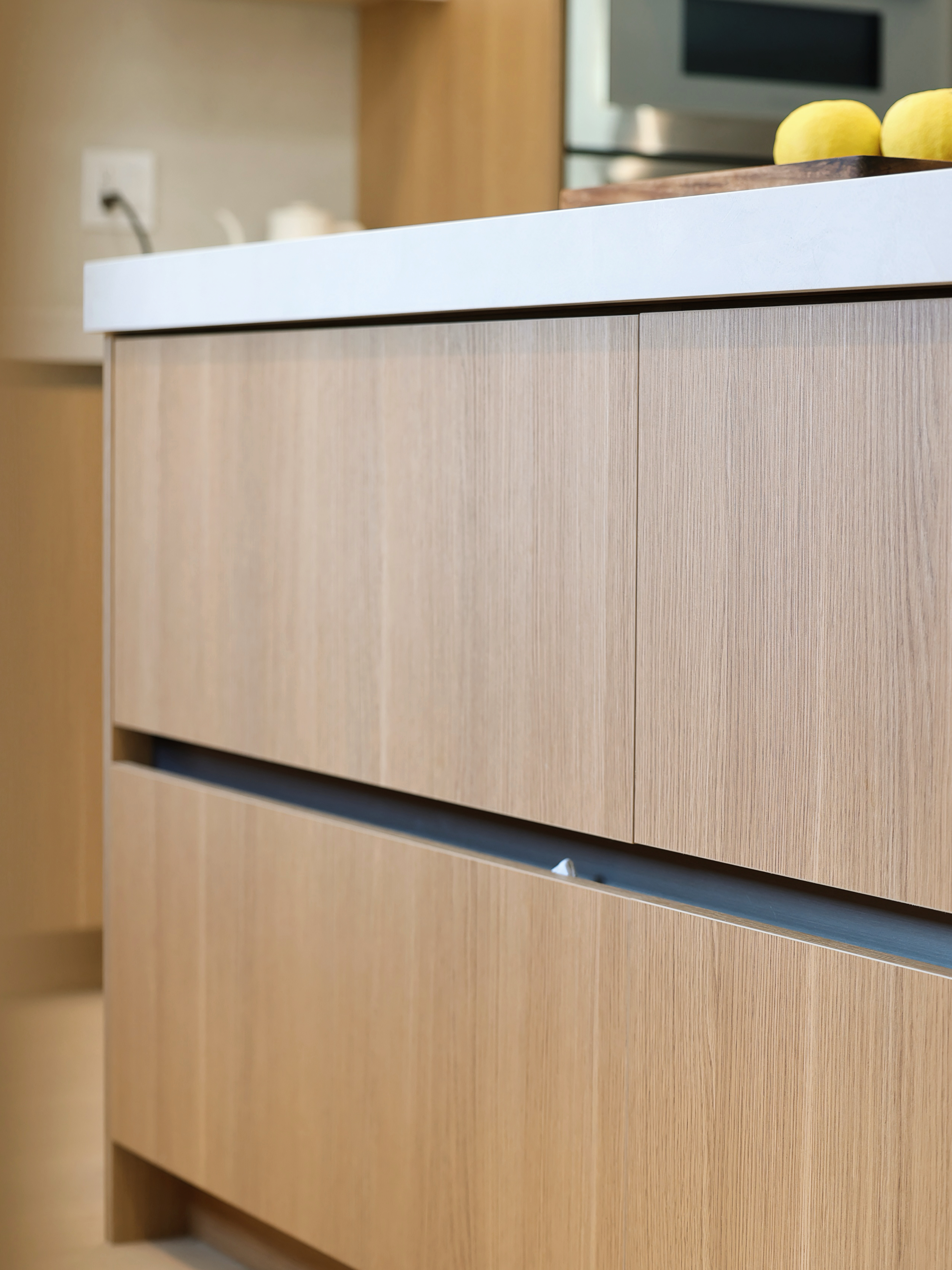
Choosing the right construction method impacts both aesthetics and functionality. Let’s compare popular options to guide your decision.
Frameless vs Face Frame
Frameless cabinets, often found in modern kitchens, offer a sleek, continuous look. They provide full access to the cabinet interior, making them highly efficient for storage. Face frame cabinets, more traditional, have a frame that adds strength and a classic appearance.
Each style has its merits. Frameless designs maximize space, while face frames provide a sturdy, timeless option. Consider your kitchen’s style and your storage needs when choosing between them.
MDF vs Plywood Cabinets
MDF and plywood are both common cabinet materials, each with distinct advantages. MDF, known for its smooth surface, is excellent for painted finishes and intricate designs. Plywood is renowned for its strength and resistance to warping, ideal for structural components.
Weigh the benefits: MDF’s smoothness versus plywood’s durability. Your choice should align with the visual and functional demands of your space.
The Importance of Joinery
Joinery techniques, like dovetail or dowel joints, affect cabinet strength and aesthetics. Dovetail joints in drawer boxes signal quality craftsmanship and provide superior holding power. Hidden dowels offer a clean look with a strong mechanical interlock.
Good joinery means your cabinets will stand up to daily use. Look for descriptions of these methods in spec sheets to ensure longevity and quality.
Assessing Finish and Sustainability
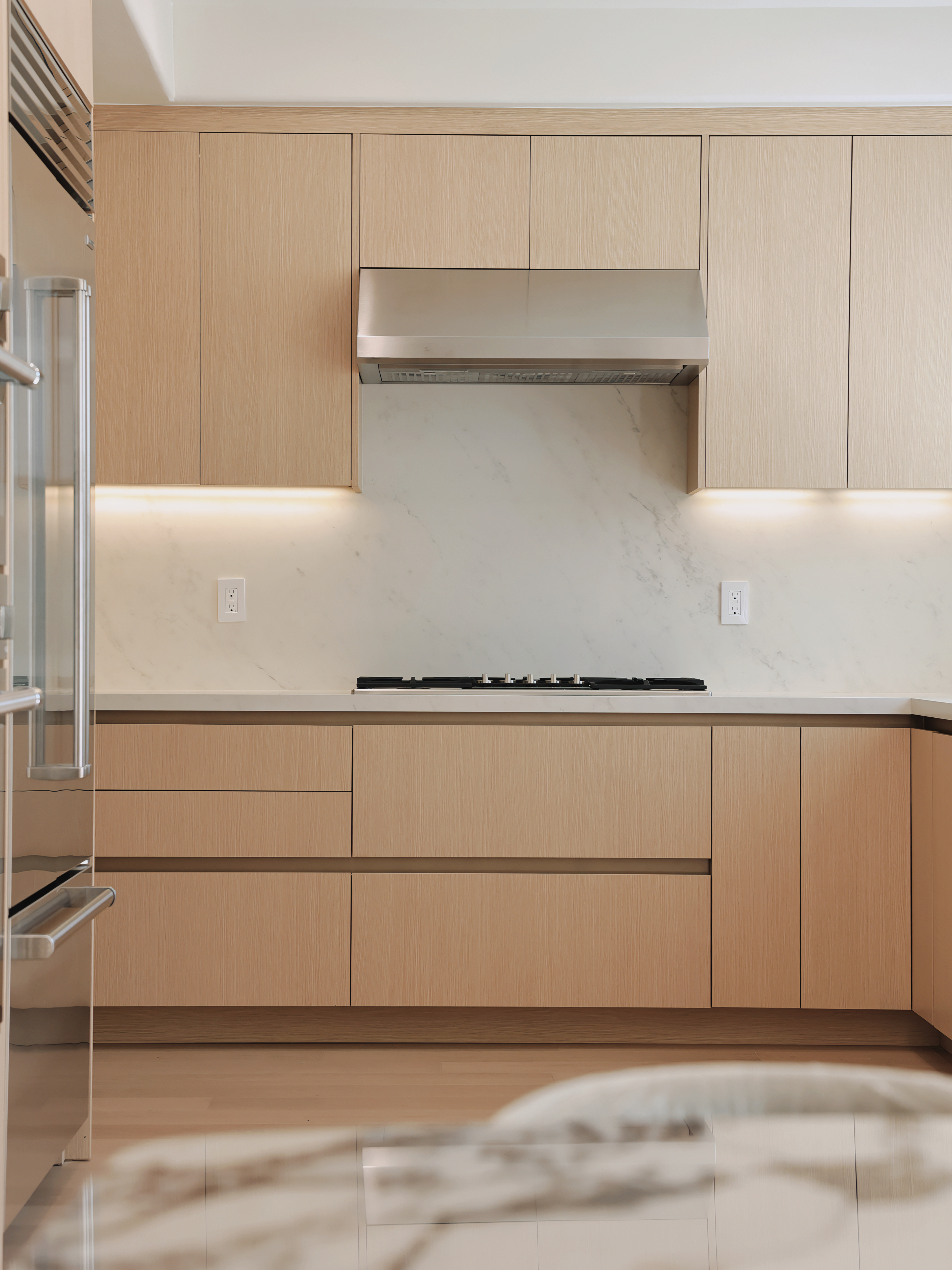
A cabinet’s finish influences its look and longevity. Equally, sustainability practices reflect on the product’s environmental impact.
Finish Durability and Testing
A durable finish protects your cabinets from wear and tear. Look for finishes that have passed KCMA durability tests, which ensure resistance to moisture, stains, and chemicals. A quality finish will keep your cabinets looking new for years.
Testing standards provide peace of mind that your cabinets will endure daily kitchen challenges. Don’t compromise on this aspect when evaluating options.
Formaldehyde-Free and Greenguard Finishes
Formaldehyde-free cabinets are a healthier choice for your home. Greenguard certification indicates low chemical emissions. These features not only protect your family but also contribute to a safer planet.
Choosing cabinets with these credentials ensures you’re making a responsible, health-conscious decision. It’s an investment in your home’s air quality and sustainability.
Sustainable Cabinetry Practices in California
California leads in eco-friendly cabinetry practices. Local manufacturers often use responsibly sourced materials and efficient production methods. Selecting cabinets from these producers supports sustainability and local economies.
Sustainable practices not only benefit the environment but also ensure you receive a high-quality product that meets stringent standards. This is an important factor to consider in your decision-making process.
Frequently Asked Questions
What is the difference between frameless and face frame cabinets?
Frameless cabinets offer a modern look with full interior access, while face frame cabinets provide a classic aesthetic with added structural support from a front frame.
Are MDF cabinets as durable as plywood?
MDF is excellent for smooth finishes and intricate designs but lacks plywood’s resistance to warping, making plywood better for structural elements.
What should I look for in cabinet finishes?
Seek finishes that have passed KCMA durability tests, as they ensure resistance to moisture, stains, and chemicals, keeping your cabinets looking new longer.
Why is joinery important in cabinets?
Joinery affects strength and aesthetics. Techniques like dovetail and dowel joints provide superior durability and a refined appearance, crucial for long-lasting cabinets.
How do I know if a cabinet is eco-friendly?
Look for formaldehyde-free and Greenguard certifications, which indicate low chemical emissions and healthier home air quality. Sustainable practices are also common in California-made cabinetry.