Sustainable cabinetry isn’t just about eco-friendly materials—it starts with how long your cabinets last. Choosing durable cabinets means fewer replacements, less waste, and a truly green footprint. We back every claim with clear specs: from CARB2 compliant plywood to soft-close hinge cycle ratings. Ready to see proof? Book a showroom visit to test materials, hardware, and finishes side-by-side before you decide.
The Green Promise of Durable Cabinets
Understanding Sustainable Cabinetry
Sustainable cabinetry goes beyond the materials used. It’s about a commitment to longevity. When you choose durable cabinets, you’re reducing waste and contributing to a greener planet. This decision is not just eco-friendly, but also budget-friendly in the long run.
Durability as a Key Feature
Durability isn’t just a buzzword. It’s the backbone of sustainable cabinetry. Cabinets that stand the test of time reduce the need for replacements. This means less waste and lower overall costs for you. High-quality cabinets are designed to endure, providing strength and reliability.
Verified Specs and Tests
We don’t just talk about durability, we prove it. Our cabinets undergo rigorous testing to ensure they meet high standards. From soft-close hinge cycle ratings to CARB2 compliance for plywood, we provide detailed specifications. This transparency allows you to make informed decisions about your cabinetry.
Choosing Materials for Longevity
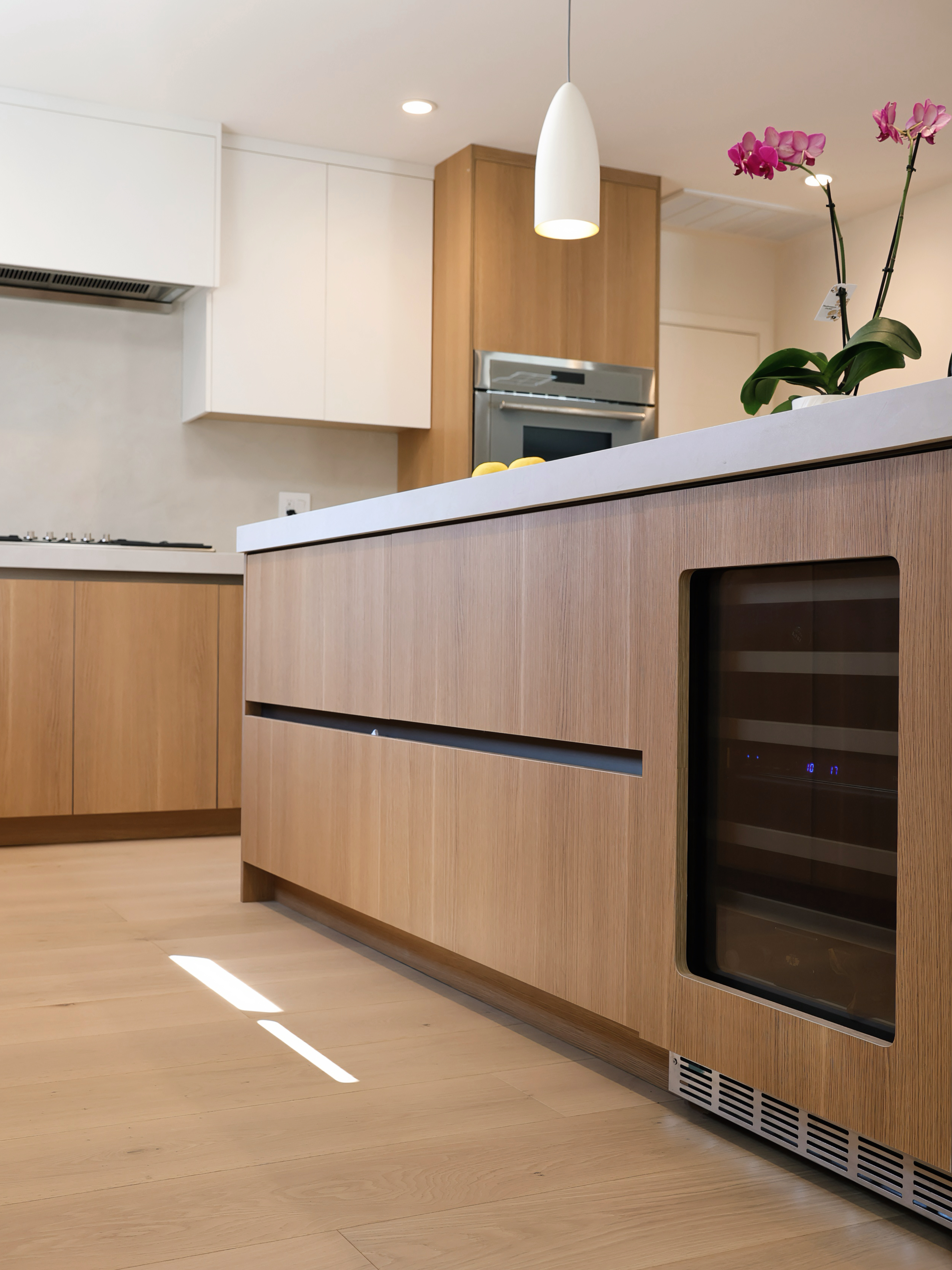
Comparing Plywood vs Particleboard
When it comes to cabinet materials, plywood and particleboard are common choices. Plywood is generally stronger and more resistant to moisture compared to particleboard. This makes it a preferred choice for those seeking durability. While particleboard may be cheaper, its tendency to warp can lead to costly repairs in the future.
Low-VOC Finishes and Adhesives
Choosing low-VOC finishes and adhesives is crucial for a healthier home environment. These products release fewer volatile organic compounds, reducing harmful emissions. Not only do they protect your health, but they also contribute to sustainability by minimizing environmental impact.
FSC Wood and CARB2 Compliance
FSC-certified wood ensures that the wood used in your cabinets comes from responsibly managed forests. This certification supports sustainable forestry practices. Additionally, CARB2 compliance means that our plywood meets strict formaldehyde emissions standards. This adds another layer of safety and sustainability to your cabinetry choice.
Practical Insights and Showroom Experience
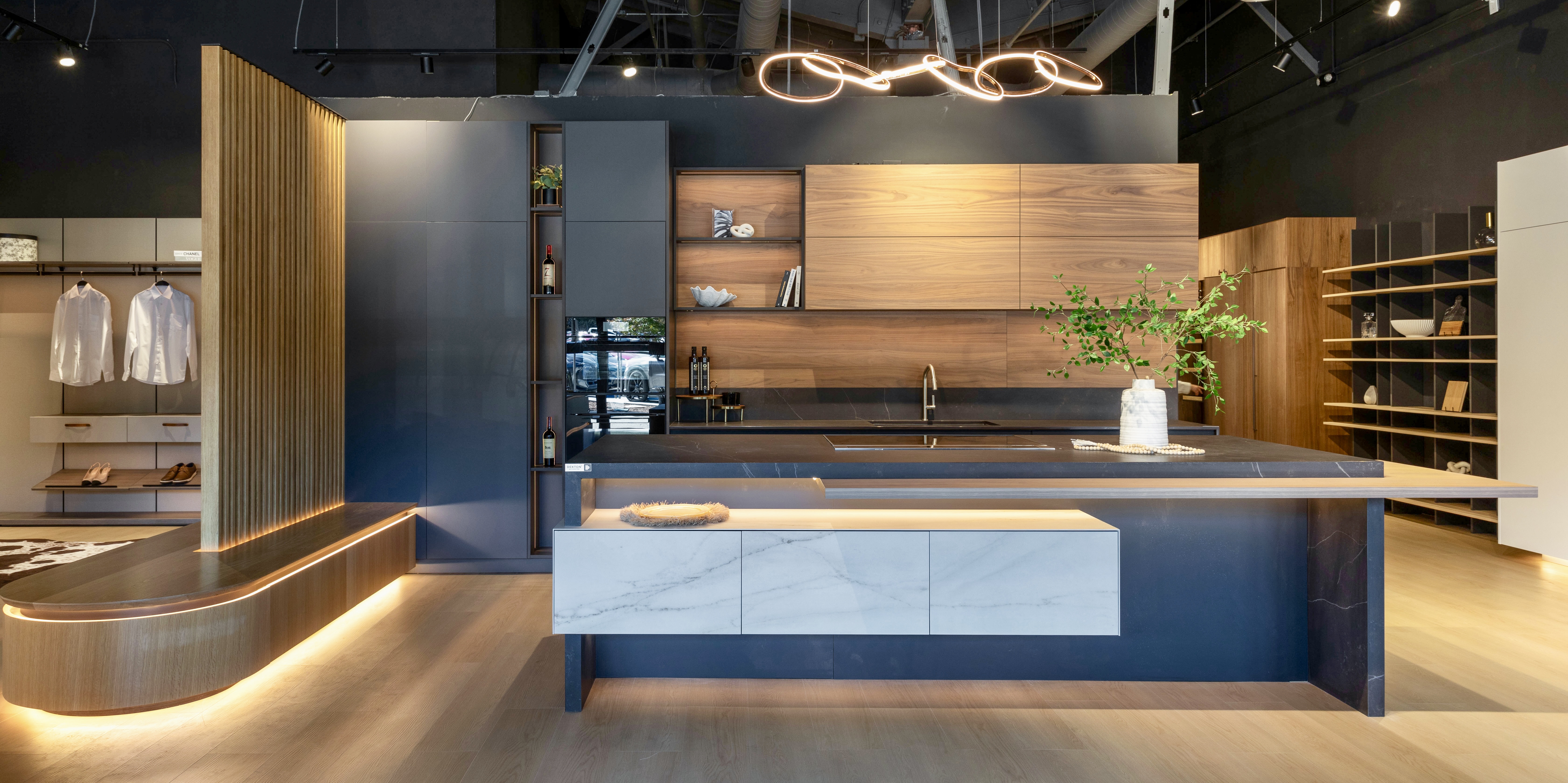
Exploring Lifecycle Assessment Cabinets
Lifecycle assessment is a game-changer in sustainable cabinetry. This process evaluates the environmental impact of cabinets from production to disposal. By understanding this lifecycle, you can make choices that are not only sustainable but also cost-effective over time.
Cabinet Joinery and Hardware Ratings
Joinery plays a critical role in cabinet durability. High-quality joinery ensures that cabinets hold together firmly, even under stress. Additionally, hardware ratings such as soft-close hinge cycle ratings and drawer slide load ratings provide insight into the longevity of these components.
Schedule Your Consultation Today
Ready to see these features in action? Scheduling a showroom visit allows you to explore materials and hardware firsthand. You can test them side-by-side and feel the quality that comes with our commitment to durability and sustainability.
Frequently Asked Questions
What is the difference between plywood and particleboard in cabinets?
Plywood is generally stronger and more moisture-resistant than particleboard, making it a better choice for long-lasting cabinets. Particleboard is cheaper but prone to warping, leading to potential repair costs.
Why are low-VOC finishes important for cabinets?
Low-VOC finishes reduce harmful emissions, contributing to a healthier home environment. They are an essential aspect of sustainable cabinetry, minimizing environmental impact.
What does CARB2 compliance mean for cabinetry?
CARB2 compliance ensures that the plywood used in cabinets meets strict formaldehyde emissions standards. This compliance is crucial for safety and sustainability, providing peace of mind for homeowners.