Showrooms often hide the truth behind glossy displays and fancy words. You’ve seen the pictures, but can your cabinets pass the real tests—like the soft-close hinge cycle test or the drawer load test? Before you commit, use this cabinet showroom checklist to separate marketing fluff from measurable quality. In our Ronbow showroom, you’ll see exact materials, hear hardware in action, and leave with an all-in plan that matches what’s on the spec sheet—no surprises, no fine print.
The Cabinet Showroom Checklist
In-person visits let you test what photos can’t show. Let’s delve into the key areas to examine in any cabinet showroom.
Inspecting Hinges and Drawers
First, check the hinges and drawers. Test them by opening and closing repeatedly. Do they glide smoothly and shut quietly? Soft-close hinges should withstand at least 50,000 cycles. Watch how they handle weight. Load a drawer with weight similar to what you’d use at home. It shouldn’t sag or stick. If they pass these tests, they’re likely built to last.
Next, pay attention to the feel and sound. Quality hardware feels solid and moves quietly. Listen for clicks or grinding, as these can indicate future issues. These simple tests ensure your cabinets are a practical investment.
Evaluating Material Quality
Move from hardware to the materials. Look beyond the surface. Ask if the wood is solid or veneer. Solid wood is generally more durable. Check if the cabinets are CARB2 compliant, indicating low formaldehyde emissions. This matters for health and air quality at home.
Tap on the surfaces. Solid wood sounds different from particle board. Feel the weight, too. Heavier usually means higher quality. Confirm sustainability claims. Are materials FSC certified? This shows they’re responsibly sourced. Knowing what to look for helps you choose cabinets that are both safe and durable.
Assessing Finish Durability
Finally, examine the finish. Does it look even and smooth? Test it with a scratch test in an unseen area. A durable finish will resist marks and maintain its appearance over time. Ask about the type of finish used. Low-VOC finishes are better for the environment and your health.
Consider the color’s depth and consistency. A quality finish will be rich and even, without patches. These checks ensure your cabinets will remain attractive and functional under everyday use.
What to Ask a Cabinet Maker
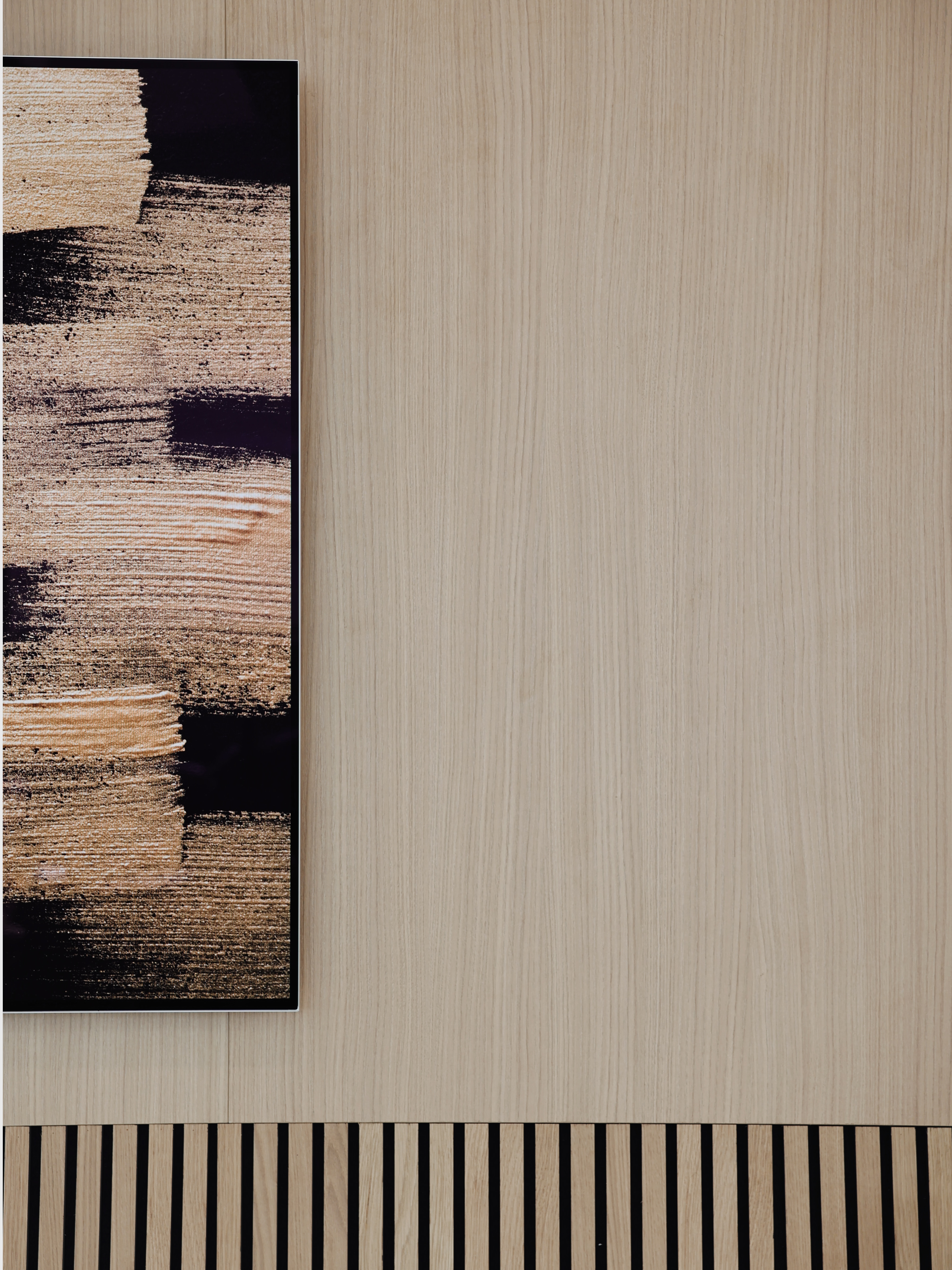
Armed with these insights, it’s time to talk to a cabinet maker. Knowing what questions to ask can save you time and money.
Essential Questions for Clarity
Start by asking about the construction process. Are cabinets made-to-order or pre-assembled? Made-to-order options offer more customization. Ask about lead times, especially if you’re under a tight schedule. Inquire about factory locations. Local manufacturing can mean faster delivery and easier troubleshooting.
Don’t just settle for verbal assurances. Request written documentation of promises. This way, you have a record of what’s agreed upon. Knowing these details upfront prevents unexpected surprises later.
Understanding All-In Pricing
Transparency in pricing is crucial. Ask if the quoted price includes everything: materials, labor, and delivery. Some makers offer an all-in price, which prevents hidden fees. Inquire about any potential extra costs that might arise during installation.
Understanding the total cost lets you budget accurately. This clarity ensures no financial surprises and helps you stay on track with your renovation plans.
Verifying Warranty and Support
Finally, discuss warranties and support. A good manufacturer offers a warranty that covers defects and wear. Verify the duration and what it specifically covers. Ask if they provide support after installation, like maintenance services.
A strong warranty reflects the maker’s confidence in their product. Knowing you’re covered brings peace of mind, ensuring your investment is protected long-term.
Custom Cabinets California Experience
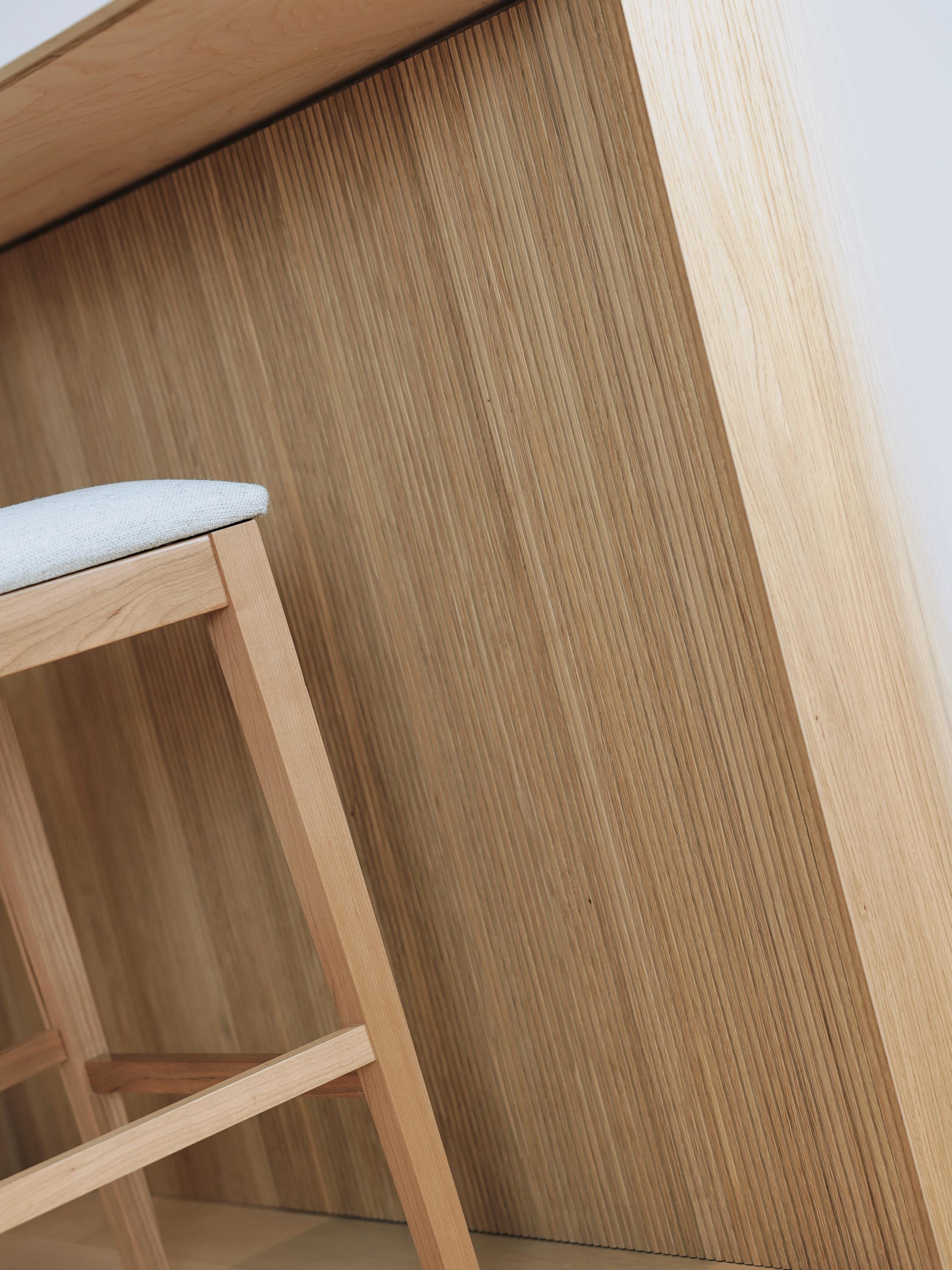
Choosing local manufacturing has its benefits. Here’s why California-made cabinets stand out.
The Benefits of Local Manufacturing
Local manufacturing means quicker turnaround times. Cabinets can be delivered in 6–8 weeks after final design approval. This reduces waiting time and allows for better coordination with other renovation tasks.
Additionally, local production supports the economy and ensures you get products suited to regional needs. It’s a smart choice for those valuing speed and community support.
Engineering-First Design Process
An engineering-first approach ensures precision. Each step, from drafting to production, focuses on accuracy. This results in cabinets that fit perfectly and function as intended.
Designers use advanced software for photorealistic renderings. This means what you see in the design phase matches the final product. Such precision minimizes errors and enhances overall satisfaction.
Sustainable Practices and Certifications
Sustainability is key. Many California manufacturers use eco-friendly practices, like sourcing materials from FSC-certified forests. This reduces environmental impact and ensures responsible production.
Smart production lines minimize waste by up to 80%. Choosing these options means your cabinets are both beautiful and environmentally friendly.
Frequently Asked Questions
What should I look for in cabinet hinges and drawers?
Check for smooth movement and quiet operation. Use the soft-close hinge cycle test and drawer load test to assess durability. Quality hinges and drawers should function well under weight and resist sticking.
How can I verify the material quality of cabinets?
Ask if the wood is solid or veneer. Look for CARB2 compliance and FSC certification. Solid wood offers durability, while certifications ensure environmental responsibility.
What questions should I ask about cabinet pricing?
Ensure the quoted price covers all aspects: materials, labor, and delivery. Ask about potential extra costs during installation to avoid surprises.
Why choose locally manufactured cabinets in California?
Local manufacturing offers shorter lead times and supports the economy. It ensures products are tailored to regional needs, enhancing quality and service responsiveness.
What makes a good cabinet warranty?
A strong warranty covers defects and wear. Check the duration and specifics. Good warranties reflect confidence in the product and offer long-term protection.